Anti-Inflammatory Foods: What I Wish Someone Had Told Me Years Ago
Advertisements
Here’s a stat that honestly blew my mind — chronic inflammation is linked to roughly 60% of all chronic diseases worldwide. I remember reading that a few years back while sitting in my doctor’s office, dealing with joint pain that just wouldn’t quit, and thinking, “Wait, could my diet actually be making this worse?” Spoiler alert: it absolutely was. Anti-inflammatory foods changed the game for me, and I’m not being dramatic when I say they transformed how I feel on a daily basis!
Why Inflammation Isn’t Always the Bad Guy
Okay so before we dive in, let me clear something up. Acute inflammation is actually your body’s way of healing — like when you cut your finger and it gets red and swollen. That’s totally normal and actually helpful.
The problem starts when inflammation becomes chronic. We’re talking about a low-grade, persistent inflammatory response that just simmers in the background for months or even years. This kind of systemic inflammation has been connected to heart disease, diabetes, arthritis, and even certain cancers according to Harvard Health.
I honestly didn’t understand the difference until my nutritionist broke it down for me. Once it clicked, I got real serious about what was ending up on my plate.
The Anti-Inflammatory Foods That Actually Made a Difference for Me
Look, I’m not gonna give you some impossible grocery list. These are foods I actually eat on a regular basis — stuff that’s easy to find and doesn’t taste like cardboard.
- Fatty fish — Salmon, mackerel, and sardines are loaded with omega-3 fatty acids. I try to eat salmon at least twice a week, and my knees have genuinely thanked me for it.
- Berries — Blueberries, strawberries, and raspberries are packed with antioxidants called anthocyanins. I toss a handful into my morning oatmeal and call it a day.
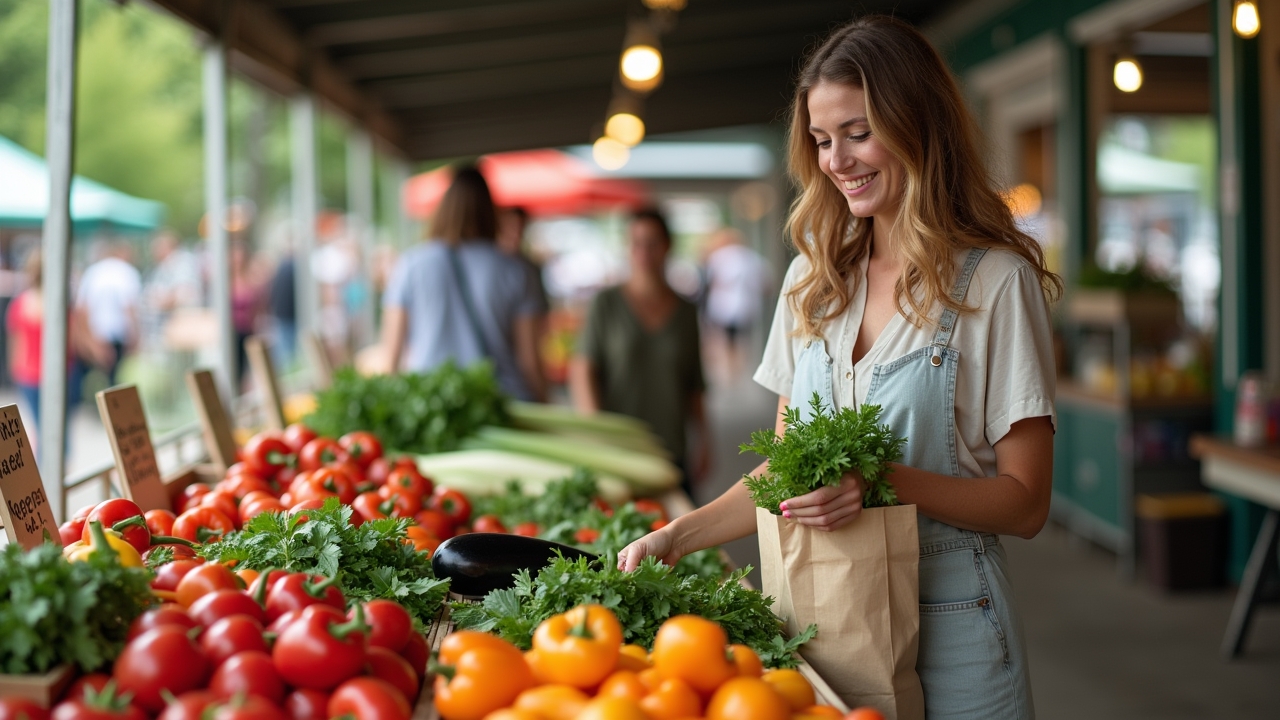
- Leafy greens — Spinach, kale, and Swiss chard. Yeah I know, kale gets a bad rap. But sautéed with garlic and olive oil? Actually delicious.
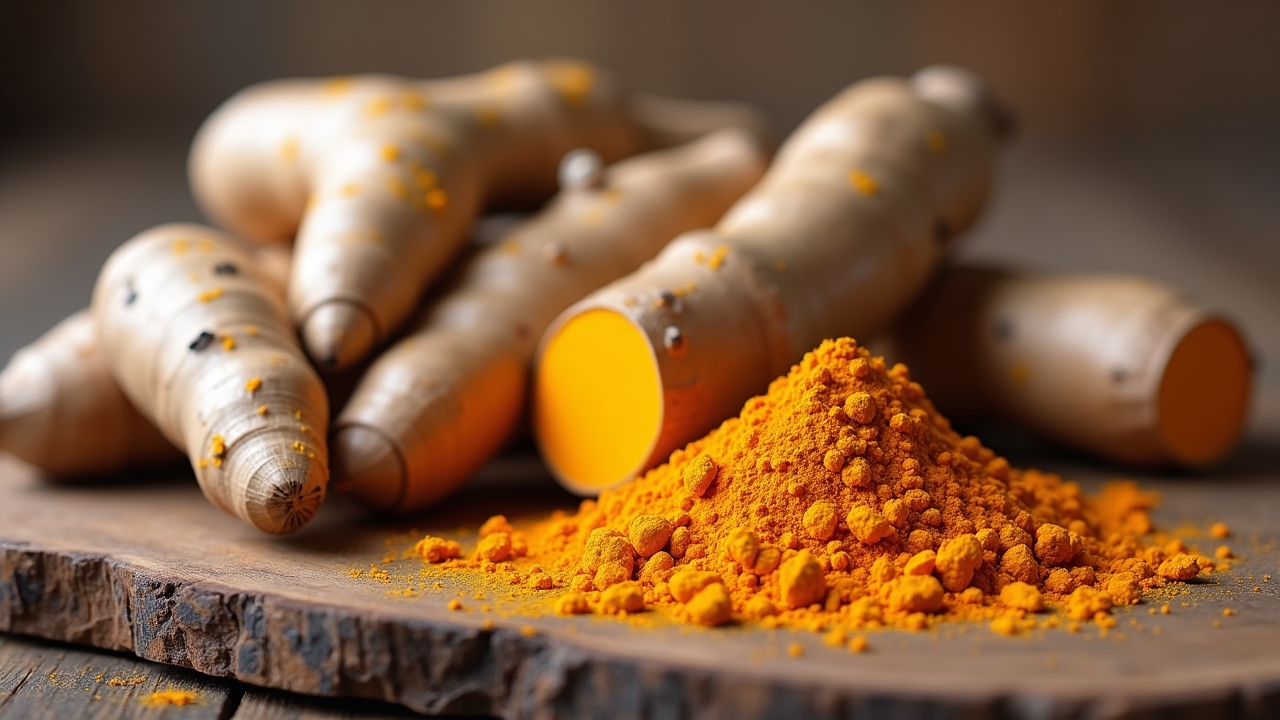
- Turmeric — This golden spice contains curcumin, which is a seriously powerful anti-inflammatory compound. I started adding it to soups and smoothies after reading about it on PubMed.
- Extra virgin olive oil — A staple of the Mediterranean diet for a reason. It contains oleocanthal, which works similarly to ibuprofen. No joke.
- Nuts — Almonds and walnuts especially. I keep a bag of walnuts in my desk drawer at work for snacking.
- Tomatoes — Rich in lycopene, which is an antioxidant with incredible inflammation-reducing properties.
My Biggest Mistake With Anti-Inflammatory Eating
So here’s where I messed up big time. When I first started focusing on anti-inflammatory foods, I went all in on the “good stuff” but completely ignored the inflammatory foods I was still eating. I’d have a beautiful salmon and spinach dinner, then wash it down with a soda and some processed chips.
Reducing inflammation isn’t just about adding the right foods — it’s about cutting back on the wrong ones too. Refined sugars, processed meats, excessive alcohol, and trans fats were basically undoing all my progress. Once I started limiting those things alongside eating more whole foods, that’s when I really noticed the difference in my energy levels and joint stiffness.
Advertisements
A Quick Practical Tip
Don’t try to overhaul your entire diet overnight. Trust me on this one. Start by swapping one thing at a time — maybe replace your afternoon snack with a handful of mixed berries and walnuts. Small changes add up faster than you’d think.
Your Plate, Your Rules
At the end of the day, anti-inflammatory foods aren’t some magic cure-all, but they are a powerful tool for supporting your overall gut health and well-being. What works for me might need some tweaking for you — everyone’s body responds differently, and that’s perfectly okay. If you have any underlying health conditions, it’s always smart to chat with your doctor or a registered dietitian before making big dietary changes.
The most important thing is just getting started and being consistent with it. If you’re looking for more tips on nutrition, gut health, and feeling your best, make sure you check out other posts on the Prime Guts blog — there’s a ton of helpful stuff waiting for you over there!