Turmeric Curcumin Benefits: Why I Swear By This Golden Spice After Years of Trial and Error
Advertisements
Here’s a stat that honestly blew my mind — turmeric has been used for over 4,000 years in traditional medicine, and modern science is finally catching up to what ancient cultures already knew. I stumbled onto turmeric curcumin benefits almost by accident about six years ago, when my knees were aching so bad after weekend runs that I could barely walk down stairs on Mondays. A friend casually mentioned curcumin supplements, and I thought she was being a little woo-woo about it, if I’m being honest.
Boy, was I wrong. Let me walk you through everything I’ve learned — the hard way, mostly — about why this golden compound deserves a spot in your daily routine.
What Even Is Curcumin (And Why It’s Not Just “Turmeric”)
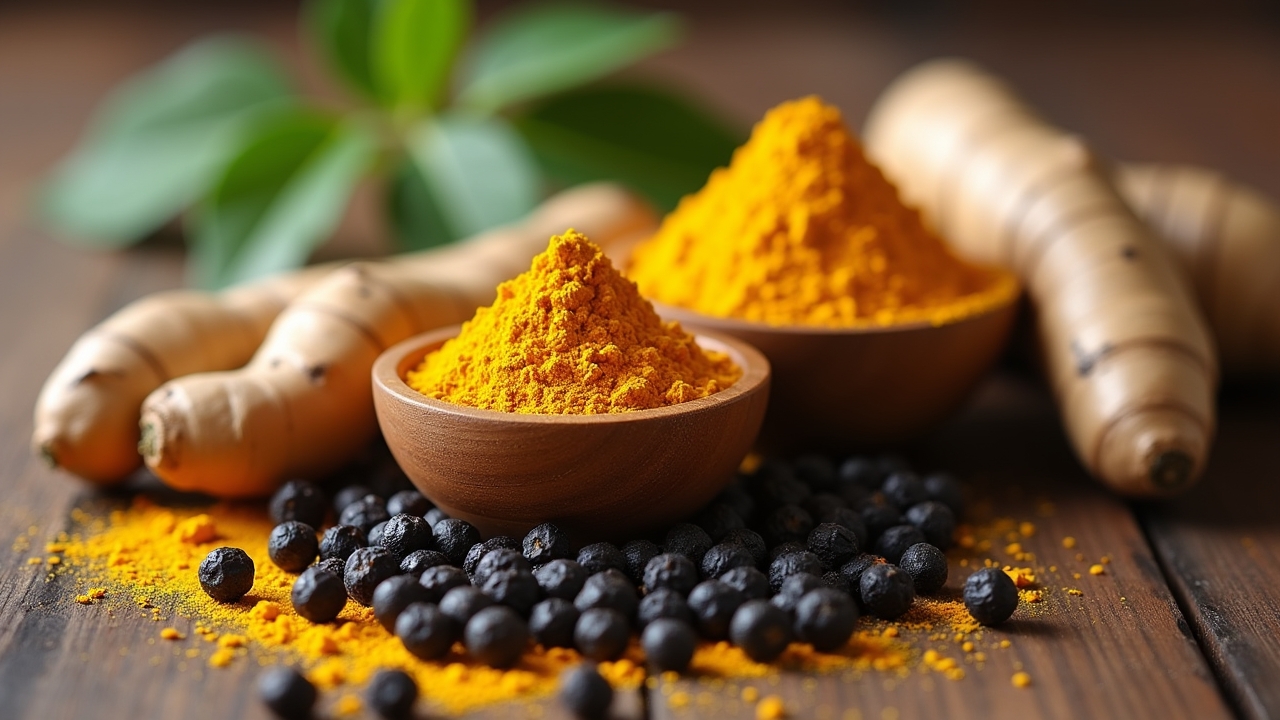
So here’s a mistake I made early on. I thought sprinkling turmeric powder on my eggs every morning was enough to get the anti-inflammatory benefits everyone talks about. Turns out, curcumin is the active compound inside turmeric, and it only makes up about 3% of turmeric by weight. That’s barely anything!
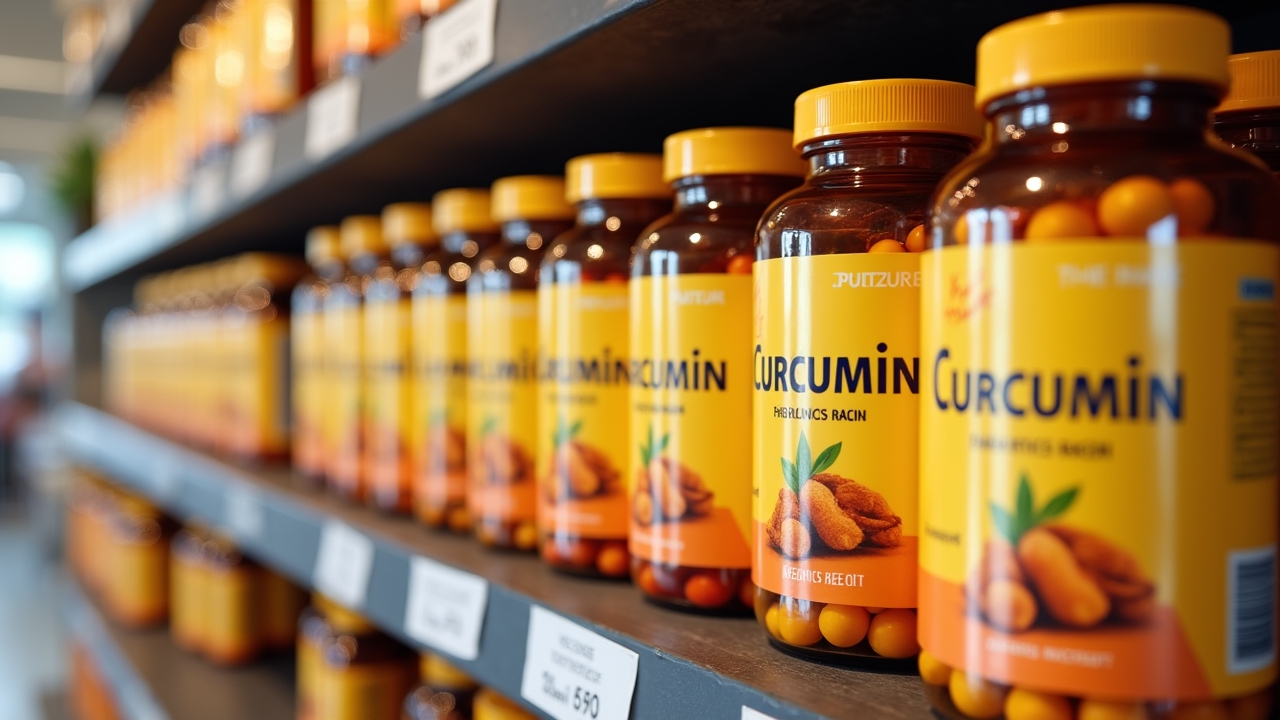
You’d literally have to eat tablespoons and tablespoons of turmeric to get a therapeutic dose. That’s why most people go with a concentrated curcumin supplement instead. And here’s another thing that took me way too long to figure out — curcumin is poorly absorbed by the body on its own, so you need to pair it with black pepper extract (piperine) or a fat source to actually get the goods.
The Anti-Inflammatory Power That Changed My Mornings
Chronic inflammation is like that one annoying coworker who’s always causing problems but nobody addresses it directly. It’s been linked to heart disease, diabetes, cancer, and a whole bunch of other conditions you don’t want on your radar. Curcumin has been shown to block NF-kB, a molecule that travels into the nuclei of your cells and turns on genes related to inflammation.
After about three weeks of taking a quality curcumin supplement daily, I noticed my joint pain was noticeably reduced. I’m not saying it was some miracle overnight fix — it wasn’t. But gradually, those Monday morning stair struggles became a thing of the past, and that felt like a genuine win.
Antioxidant Benefits That Go Beyond the Hype
Oxidative stress is one of those terms that gets thrown around a lot, but it’s basically your body rusting from the inside out. Free radicals damage cells, proteins, and DNA. Curcumin is a potent antioxidant that neutralizes free radicals on its own, and it also boosts the activity of your body’s own antioxidant enzymes.
Advertisements
That’s a double whammy in the best possible way. I remember reading a study on Healthline that really broke this down simply, and it clicked for me why so many health experts are obsessed with this compound.
Brain Health, Mood, and a Surprise I Didn’t Expect
Okay, this one caught me off guard. I started taking curcumin for my joints, but I noticed my overall mood seemed more stable after a couple of months. Turns out, curcumin may boost brain-derived neurotrophic factor (BDNF), which is a growth hormone that functions in the brain. Low levels of BDNF have been linked to depression and Alzheimer’s disease.
Now, I’m not a doctor and I ain’t replacing anyone’s prescribed medication here. But as a complementary support, the research on curcumin and cognitive function is genuinely exciting.
Quick Tips From Someone Who’s Made All the Mistakes
- Always choose supplements with piperine (black pepper extract) for better absorption.
- Take curcumin with a meal containing healthy fats — I usually pop mine with breakfast alongside avocado toast.
- Be patient. It took me at least 2-3 weeks before noticing real changes.
- Check for third-party testing on any supplement you buy. Cheap brands burned me more than once.
- Talk to your doctor before starting, especially if you’re on blood thinners or anti-inflammatory drugs.
Your Golden Ticket to Feeling Better Starts Here
Look, turmeric curcumin benefits are backed by real science — from reducing inflammation and oxidative damage to potentially supporting brain health and mood. But everyone’s body is different, so what worked for me might need some tweaking for you. Start slow, do your research, and always loop in a healthcare professional before making big changes to your supplement routine.
If you found this helpful, I’d love for you to explore more posts over at Prime Guts — we’re always digging into topics like gut health, natural supplements, and practical wellness tips that actually make sense for real life. See you there!