
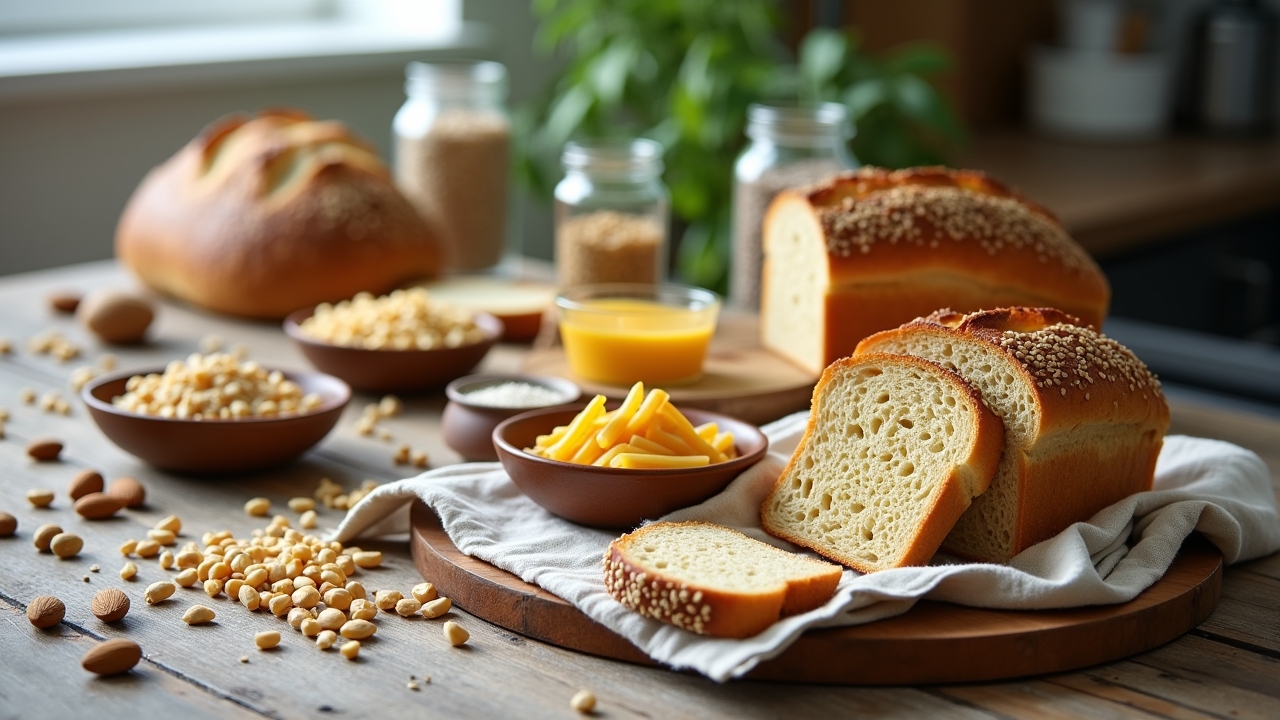
The Truth About Gluten: What I Wish Someone Had Told Me Years Ago
Advertisements
Here’s a stat that honestly blew my mind — nearly 30% of American adults say they’re actively trying to reduce gluten in their diet. Thirty percent! And yet, when I started digging into the truth about gluten a few years back, I realized most of what I believed was either exaggerated or flat-out wrong. So let me save you the same confusion I went through, because this stuff actually matters for your gut health.
What Even Is Gluten, Really?
Okay so gluten is basically a group of proteins found in wheat, barley, and rye. It’s the stuff that gives bread its chewy texture and helps dough rise — like the glue holding your favorite pizza crust together. I remember thinking gluten was some kind of artificial additive, which is embarrassing to admit now, but hey, we learn.
The two main proteins in gluten are called gliadin and glutenin. Gliadin is actually the one that causes most of the trouble for people with sensitivities. When you mix flour with water, these proteins form a sticky network that gives baked goods their structure — it’s honestly pretty cool from a science standpoint.
Who Actually Needs to Avoid Gluten?
This is where things get real. About 1 in 100 people worldwide have celiac disease, which is an autoimmune condition where gluten literally damages the small intestine. For these folks, avoiding gluten isn’t a lifestyle choice — it’s a medical necessity.
Then there’s non-celiac gluten sensitivity, which affects maybe 6% of the population. I actually thought I had this for a while. I was bloated all the time, feeling sluggish after meals, and a friend suggested going gluten-free.
Spoiler alert — turns out I was just eating way too much processed food in general. My doctor ran the tests and everything came back normal. That was a humbling moment, honestly.
The Gluten-Free Trap I Fell Into
So here’s my big mistake. I went completely gluten-free for about three months without any medical reason. And you know what happened? I actually felt worse. I was spending a fortune on gluten-free bread that tasted like cardboard, and I was missing out on important nutrients like fiber, iron, and B vitamins that whole wheat products provide.
Advertisements
A lot of gluten-free packaged foods are loaded with extra sugar and fat to compensate for the taste and texture loss. The Harvard School of Public Health actually warns about this — going gluten-free when you don’t need to can sometimes do more harm than good. That’s something the trendy wellness influencers conveniently leave out.
Practical Tips From My Own Journey
After all my trial and error, here’s what I’d genuinely recommend:
- Get tested first. Before cutting out gluten, talk to your doctor and get screened for celiac disease. You need to be eating gluten for the test to work accurately.
- Keep a food diary. I started tracking what I ate and how I felt afterward. Turns out my issues were more about dairy than wheat — who knew?
- Don’t demonize whole grains. Whole wheat, barley, and rye are packed with fiber that feeds your good gut bacteria. Unless you have a diagnosed condition, these foods are your friends.
- Read labels carefully. If you do need to avoid gluten, it hides in sneaky places like soy sauce, salad dressings, and even some medications.
- Focus on whole foods. Instead of buying expensive gluten-free substitutes, build meals around naturally gluten-free stuff like rice, potatoes, fruits, vegetables, and lean proteins.
So What’s the Bottom Line on Your Plate?
The truth about gluten is pretty simple when you strip away all the noise. It’s harmless for the vast majority of people, absolutely dangerous for those with celiac disease, and somewhere in a gray area for folks with genuine sensitivities. The key is figuring out where you fall on that spectrum — with actual medical guidance, not Instagram advice.
Your body is unique and what works for your neighbor or coworker might not work for you. Always consult a healthcare professional before making big dietary changes, especially ones that eliminate entire food groups. Be smart about it and listen to your gut — literally.
If you found this helpful and want to keep learning about digestive health, nutrition myths, and how to actually take care of your insides, head over to the Prime Guts blog for more honest, no-nonsense posts. Your gut will thank you!