Advertisements
Here’s a wild stat that totally changed how I think about food: roughly 95% of Americans don’t eat enough fiber. I was definitely one of them. A couple years ago, my digestion was a mess — bloating after every meal, feeling sluggish, the whole nine yards. My doctor didn’t prescribe some fancy medication. She just looked at me and said, “You need more fiber.” Honestly, I was a little insulted. Fiber? That’s it? But let me tell you, understanding the connection between fiber and gut health completely turned things around for me.
What Fiber Actually Does Inside Your Gut
So here’s the thing most people get wrong — fiber isn’t just about “staying regular.” Sure, that’s part of it, but it goes way deeper. Dietary fiber is basically the food that your gut microbiome thrives on, and without it, those trillions of beneficial bacteria in your digestive system start to starve.
When you eat fiber-rich foods, your gut bacteria ferment it and produce something called short-chain fatty acids. These little guys are incredibly important for maintaining the lining of your intestines and reducing inflammation. I had no clue about any of this until I started doing my own research after that doctor’s visit.
Think of fiber as fertilizer for a garden. Your gut is the garden, the good bacteria are the plants, and fiber is what keeps everything growing and healthy. Without it, weeds — or in this case, harmful bacteria — start taking over.
Soluble vs. Insoluble Fiber — Yeah, There’s Two Kinds
This is where I messed up early on. I thought fiber was just fiber. Nope. There’s soluble fiber, which dissolves in water and forms a gel-like substance that feeds your gut bacteria and helps manage blood sugar. Then there’s insoluble fiber, which doesn’t dissolve and basically adds bulk to your stool so things, uh, keep moving along.
You need both for optimal digestive health. Soluble fiber is found in things like oats, beans, apples, and flaxseeds. Insoluble fiber shows up in whole grains, nuts, and vegetables like cauliflower and green beans.
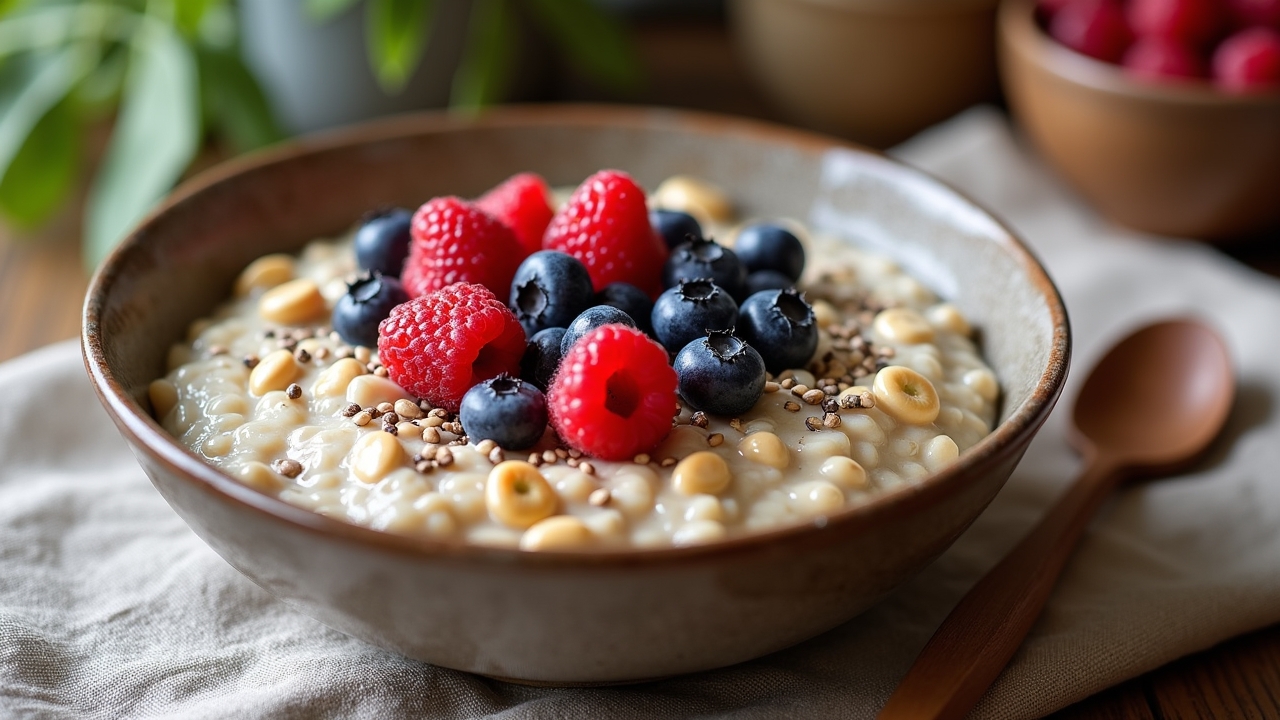
My mistake was going all-in on salads thinking that was enough. Turns out I was getting tons of insoluble fiber but barely any soluble fiber. Once I started adding oatmeal and lentils to my meals, the difference in how my stomach felt was honestly night and day.
Advertisements
How I Actually Increased My Fiber Intake (Without Hating My Life)
Let me be real — when I first tried to boost my fiber intake, I went way too hard too fast. I’m talking beans at every meal, psyllium husk in my smoothies, the works. The gas was unreal. My partner almost kicked me out of the bedroom. So here’s what I learned the hard way: increase fiber gradually.
The Mayo Clinic recommends adults get between 25 to 38 grams of fiber per day. Most of us hover around 15 grams. Jumping from 15 to 38 overnight is a recipe for disaster — trust me on that one.
Here’s what actually worked for me:
- I swapped white rice for quinoa or brown rice a few times a week.
- Added a handful of berries to my morning yogurt — great for prebiotic fiber too.
- Started snacking on almonds instead of chips. Not gonna lie, I still miss the chips sometimes.
- Threw black beans into basically anything — tacos, soups, even scrambled eggs.
- Drank way more water, because fiber without hydration is just asking for constipation.
The Gut Microbiome Connection Nobody Talks About Enough
Here’s something that genuinely blew my mind. A study published in Cell Host & Microbe found that when gut bacteria don’t get enough fiber, they literally start eating the mucus lining of your intestines. Like, they get so hungry they turn on you. That’s terrifying, right?
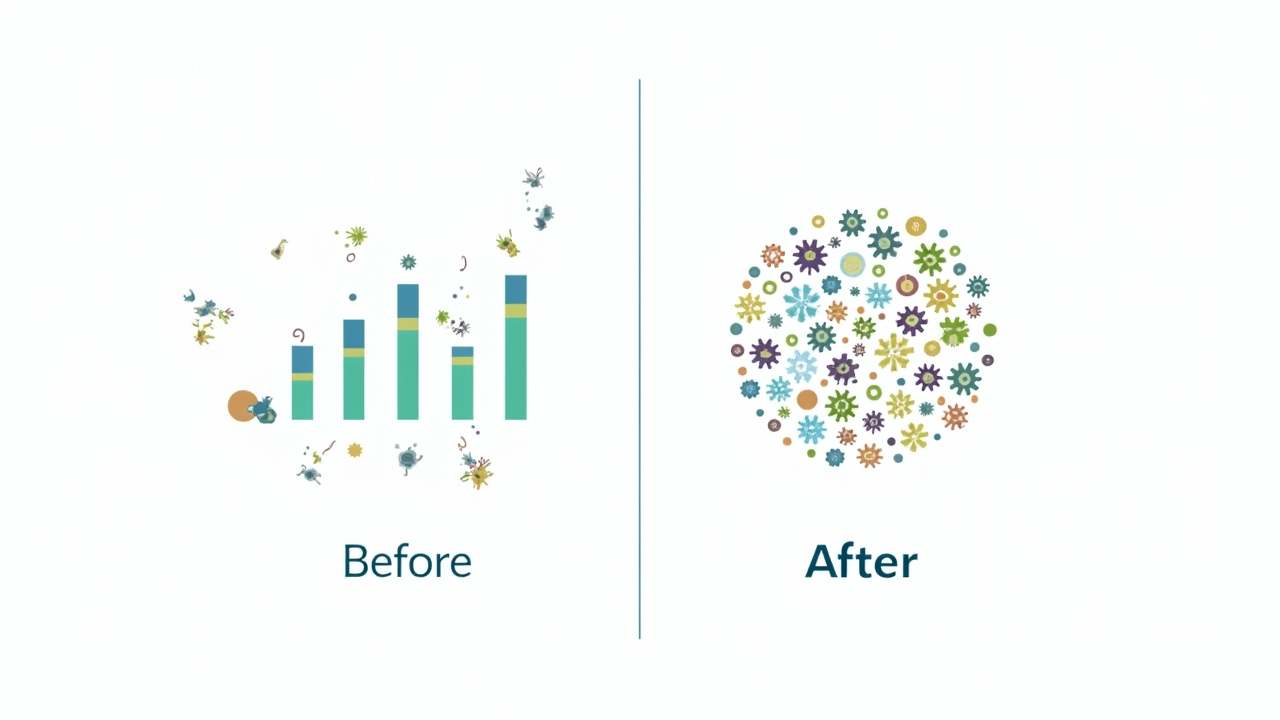
This is why fiber gut health isn’t just some trendy wellness topic — it’s foundational. A diverse, fiber-rich diet supports microbial diversity, which has been linked to everything from better immunity to improved mental health. The gut-brain axis is a real thing, and what you feed your microbiome affects your mood, your energy levels, and even how well you sleep.
A Quick Note on Prebiotics and Probiotics
While we’re on this tangent — prebiotics are basically a type of fiber that specifically feeds beneficial gut bacteria. Foods like garlic, onions, leeks, and bananas are loaded with them. Probiotics, on the other hand, are the actual live bacteria you get from fermented foods like kimchi, sauerkraut, and kefir. You kinda need both working together for a healthy gut flora.
Your Gut Will Thank You — Seriously, Start Today
Look, I’m not a doctor, and everybody’s body is different. If you have conditions like IBS or Crohn’s disease, definitely talk to a healthcare professional before making big dietary changes — some types of fiber can actually make certain conditions worse. That said, for most of us, eating more fiber is one of the simplest and most effective things we can do for our gut health.
Start small. Add one extra serving of vegetables or a handful of nuts today. Swap your white bread for whole grain. Drink more water. Your microbiome will start shifting in as little as a few days, and within a couple of weeks, you’ll probably notice less bloating, more regular bowel movements, and just feeling better overall.
I went from being that guy who thought fiber was boring old-people advice to someone who genuinely gets excited about lentil soup. Life comes at you fast. If you want more tips on improving your digestive wellness and overall gut health, check out more posts on Prime Guts — we’re all about helping you feel your best from the inside out!