Anti-Inflammatory Breakfast: 7 Morning Meals That Changed How My Body Feels
Advertisements
Here’s a stat that honestly blew my mind: according to Harvard Health, chronic inflammation is linked to nearly 60% of all deaths worldwide. Sixty percent! When I first read that a couple years ago, I was dealing with constant joint stiffness and this annoying brain fog every single morning. Turns out, my breakfast of sugary cereal and orange juice was basically pouring gasoline on a fire I didn’t even know was burning.
That’s when I started digging into the whole anti-inflammatory breakfast thing. And honestly, it changed everything for me. So let me walk you through what actually works — no weird superfoods you can’t pronounce, I promise.
Why Your Morning Meal Matters More Than You Think
Your first meal sets the tone for your entire inflammatory response throughout the day. I learned this the hard way after years of grabbing a muffin and calling it breakfast. When you eat refined sugars and processed carbs first thing, your blood sugar spikes hard, and that triggers an inflammatory cascade that can last for hours.
Switching to anti-inflammatory foods in the morning was like flipping a switch for me. The research on inflammation and diet is pretty clear — what you eat directly impacts your body’s inflammatory markers. It’s not magic, it’s just biology.
My Go-To Anti-Inflammatory Breakfast Ideas
Alright, here’s where it gets good. These are meals I actually eat on a regular basis — not Pinterest-perfect recipes I tried once and forgot about. Each one is packed with omega-3 fatty acids, antioxidants, or other inflammation-fighting nutrients.
- Turmeric Golden Oatmeal: I mix a teaspoon of turmeric and a pinch of black pepper into my oats with some walnuts and blueberries. The black pepper thing is key because it helps your body absorb the curcumin — I didn’t know that for months and was basically wasting the turmeric.
- Berry Smoothie Bowl: Frozen mixed berries, a handful of spinach, chia seeds, and some almond butter blended thick. Berries are loaded with anthocyanins, which are seriously powerful anti-inflammatory compounds.
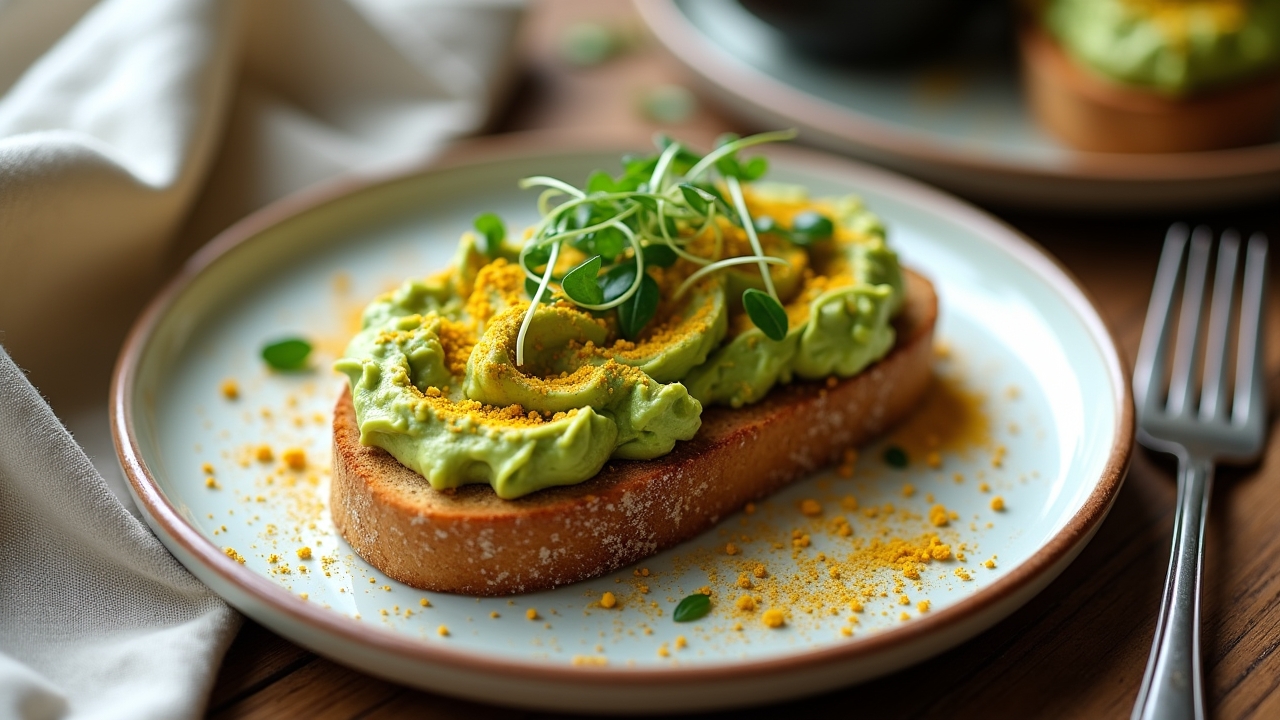
- Avocado Toast on Whole Grain Bread: Yeah, I know it’s a cliché. But topped with extra virgin olive oil, hemp seeds, and a sprinkle of everything bagel seasoning? It’s genuinely delicious and anti-inflammatory.
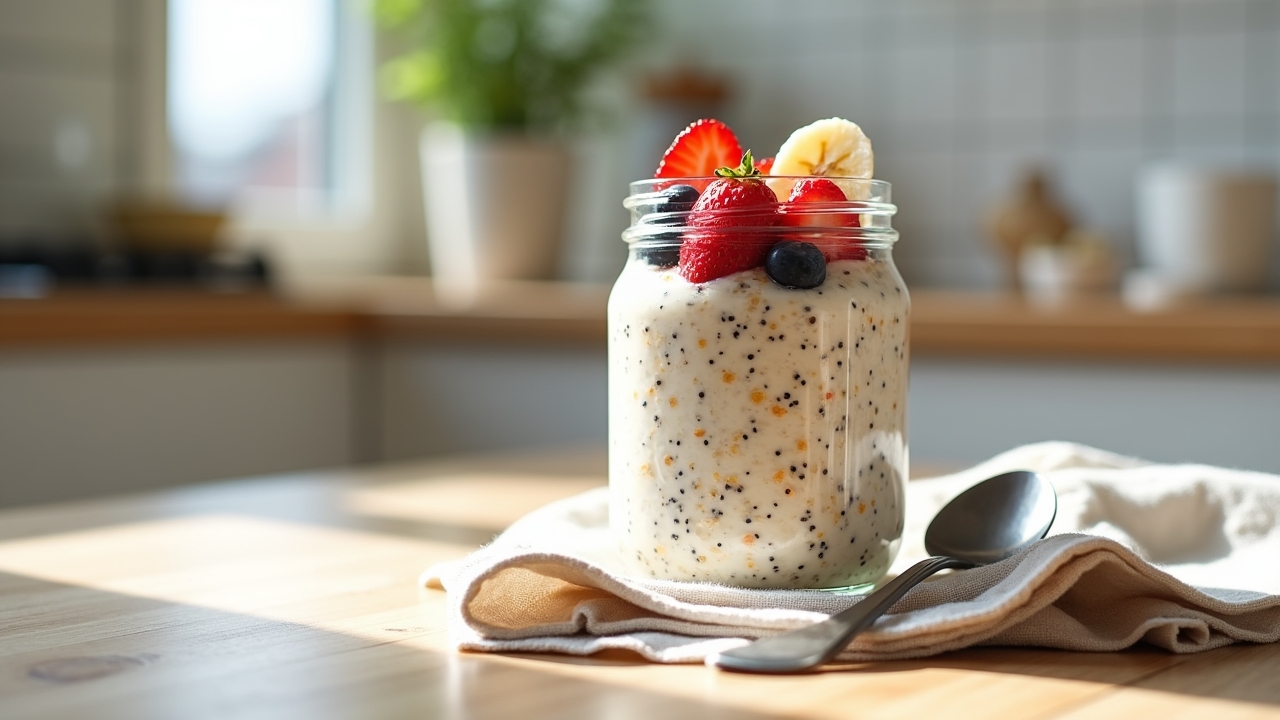
- Overnight Chia Pudding: Chia seeds soaked in almond milk overnight with cinnamon and topped with fresh strawberries. This one saved me on busy mornings when I had zero time to cook.
- Salmon and Eggs: Sounds fancy but I literally just use canned wild salmon scrambled with eggs and some leafy greens. The omega-3s in salmon are one of the best natural inflammation fighters out there according to the National Institutes of Health.
- Green Tea and Almond Butter Banana: For those mornings when I can’t even deal. Green tea has EGCG which fights inflammation, and the healthy fats from almond butter keep me full.
- Sweet Potato Breakfast Hash: Diced sweet potatoes sautéed with kale, garlic, and olive oil, topped with a fried egg. Sweet potatoes are loaded with beta-carotene and fiber, both great for reducing inflammation.
Mistakes I Made So You Don’t Have To
One big mistake was thinking “healthy” granola was anti-inflammatory. Most store-bought granola is packed with added sugars that totally counteract any benefits. I was so frustrated when I realized my “clean” breakfast was actually working against me.
Also, I went overboard with fruit juice early on. Even fresh-squeezed juice without the fiber spikes your blood sugar pretty fast. Whole fruits are always the better call — the fiber slows down sugar absorption and feeds your gut microbiome too.
Advertisements
Your Morning, Your Rules
Look, an anti-inflammatory breakfast doesn’t have to be complicated or expensive. The biggest takeaway from my own journey is that small, consistent changes beat dramatic overhauls every single time. Start by swapping one thing — maybe ditch the sugary cereal for some oats with berries — and build from there.
Just remember that everyone’s body is different, so what works perfectly for me might need tweaking for you. If you have any existing health conditions or food allergies, definitely check with your doctor before making big dietary changes. That’s not me being overly cautious, that’s just being smart about it.
Want more tips on eating well and supporting your gut health? Head over to the Prime Guts blog for more practical advice you can actually use. Your body will thank you for it — mine sure did!