
Advertisements
Here’s a wild stat that honestly blew my mind — according to the World Health Organization, up to 75% of adults don’t get enough magnesium in their daily diet. Seventy-five percent! I was one of them for years and had absolutely no clue. The thing about magnesium deficiency symptoms is that they’re sneaky — they disguise themselves as everyday annoyances you just learn to live with.
I spent a solid year thinking I was just “getting older” before a doctor finally tested my magnesium levels. Turns out, most of the weird stuff my body was doing had a pretty simple explanation. So let me walk you through what I learned the hard way, because honestly, I wish someone had told me sooner.
The Muscle Cramps That Woke Me Up at 3 AM
Okay, so this was my first real sign something was off. I’d wake up in the middle of the night with these brutal leg cramps — like my calf muscle had just decided to turn into a rock. I literally fell out of bed once, which my wife still thinks is hilarious.
Muscle cramps and spasms are one of the most common signs of low magnesium. Magnesium plays a huge role in muscle relaxation and nerve function, so when your levels drop, your muscles basically start misfiring. Twitchy eyelids? Random muscle twitches in your legs? Yeah, that was me too.
Feeling Tired No Matter How Much You Sleep
This one was maddening. I’d sleep eight hours and still feel like I got hit by a bus. Chronic fatigue is a hallmark symptom of magnesium deficiency, and it’s probably the most overlooked one because, well, everyone’s tired these days.
But here’s the deal — magnesium is involved in over 300 enzymatic reactions in your body, including energy production. When you don’t have enough, your cells literally can’t make energy efficiently. The National Institutes of Health has a great breakdown of how this mineral affects everything from ATP synthesis to protein creation.
Anxiety and Brain Fog Out of Nowhere
So this one caught me completely off guard. I started feeling anxious for no reason — not the “big presentation at work” kind, but more like a low-level buzzing anxiety that just wouldn’t quit. My brain felt foggy too, like thinking through mud.
Advertisements
Turns out, low magnesium levels are closely linked to mental health symptoms like anxiety, irritability, and even depression. Magnesium helps regulate neurotransmitters and the stress response system. A friend of mine — shoutout to Dave — actually thought he needed antidepressants before his doctor discovered his magnesium was tanked.
Other Symptoms You Probably Shouldn’t Ignore
Beyond the big three I experienced, there’s a whole laundry list of magnesium deficiency symptoms that people tend to brush off:
- Irregular heartbeat or heart palpitations
- Numbness and tingling in hands or feet
- Loss of appetite and nausea
- Frequent headaches or migraines
- Difficulty sleeping or insomnia
- Weak bones and increased risk of osteoporosis
The Cleveland Clinic notes that severe deficiency can even lead to seizures and abnormal heart rhythms. That’s not something to mess around with.
What Actually Helped Me Fix It
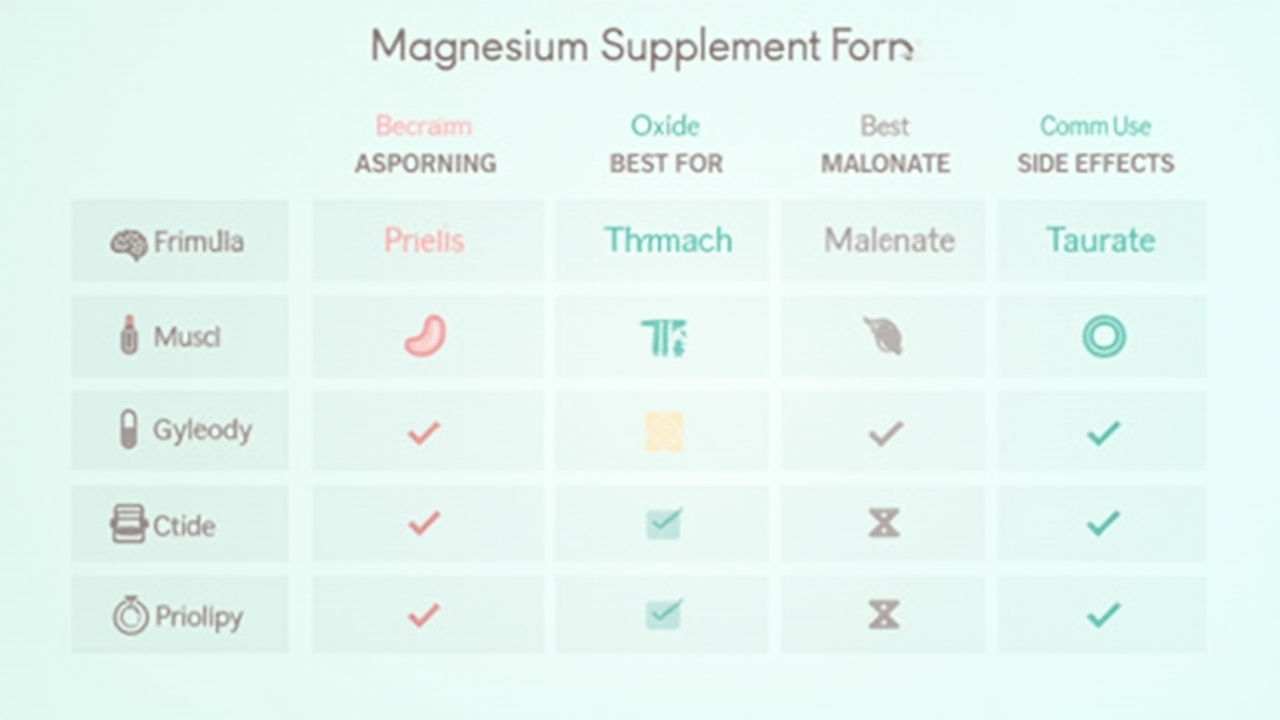
First things first — I got a proper blood test. Don’t just start popping supplements without knowing where you stand. My doctor recommended magnesium glycinate because it’s easier on the stomach and absorbs well.
I also started eating more magnesium-rich foods like spinach, pumpkin seeds, dark chocolate (yes, that was a win), and almonds. Honestly, small dietary changes made a noticeable difference within a couple weeks. The leg cramps were gone in about ten days, and my sleep quality improved dramatically.
Listen to Your Body — Seriously
Look, I’m not a doctor, and I’m definitely not telling you to self-diagnose off a blog post. But if you’ve been dealing with unexplained fatigue, muscle cramps, anxiety, or any of those symptoms I mentioned, it might be worth asking your healthcare provider to check your magnesium levels. It’s a simple blood test that could change everything.
Your body is always talking to you — sometimes we just gotta slow down and actually listen. If you found this helpful or want to dive deeper into gut health, nutrition, and feeling your best, come hang out with us over at Prime Guts. We’ve got plenty more where this came from!