Advertisements
Here’s a wild stat that blew my mind: some researchers estimate that up to 80% of people diagnosed with irritable bowel syndrome actually have SIBO lurking underneath. I spent nearly two years dealing with bloating so bad I looked six months pregnant after every meal before anyone even mentioned small intestinal bacterial overgrowth to me. Let me tell you, once I finally understood what was going on in my gut, everything changed!
SIBO symptoms and treatment options are something I wish I’d learned about way sooner. If you’re stuck in that same frustrating cycle of digestive misery, stick around because I’m breaking down what I’ve learned the hard way.
What Exactly Is SIBO and Why Should You Care?
SIBO stands for small intestinal bacterial overgrowth, and it’s basically when bacteria that should be hanging out in your large intestine decide to set up camp in your small intestine instead. These bacteria ferment the food you eat before your body gets a chance to absorb nutrients properly. It sounds simple, but the cascade of problems it causes is honestly ridiculous.
I remember my doctor explaining it to me and thinking, “Wait, that’s it?” But then I realized how many of my weird, seemingly unrelated symptoms were connected. The Mayo Clinic has a solid overview if you want the clinical breakdown.
The Sneaky Symptoms That Kept Me Guessing
The most common SIBO symptoms are bloating, gas, abdominal pain, and diarrhea — but here’s the thing nobody tells you. Some people get constipation instead, which is what happened to me, and it threw everyone off for months. There’s actually different types of SIBO (hydrogen-dominant vs. methane-dominant) that produce different symptom patterns.
Beyond the gut stuff, I was dealing with brain fog, fatigue, and even joint pain. My B12 levels were tanking and I had no idea why. Nutrient malabsorption is a real consequence of bacterial overgrowth that doesn’t get talked about enough.
Other signs to watch for include:
Advertisements
- Feeling full after eating just a few bites
- Nausea, especially in the morning
- Unintentional weight loss or weight gain
- Skin issues like rosacea or eczema flare-ups
- Belching and acid reflux that won’t quit
Getting Diagnosed: The Breath Test Experience
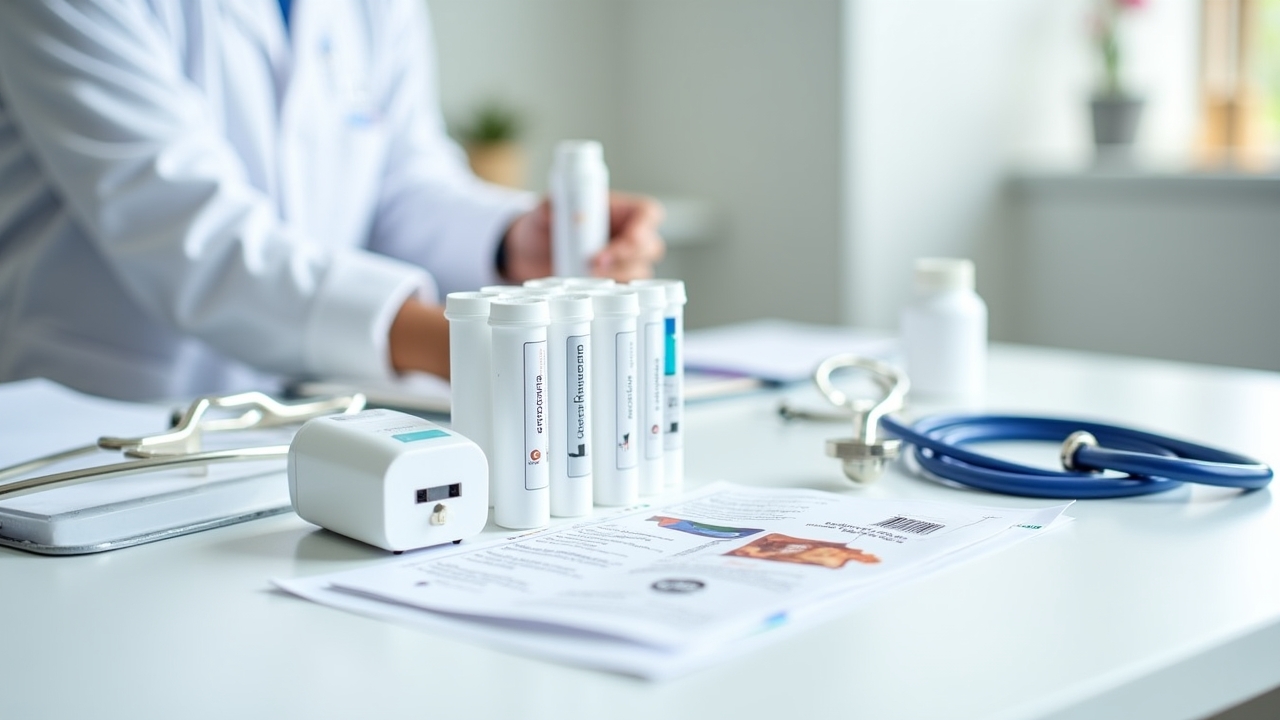
So the gold standard for SIBO diagnosis is a lactulose or glucose breath test. You drink a sugary solution and then breathe into tubes every 15-20 minutes for about three hours. It measures hydrogen and methane gases produced by those overgrown bacteria.
I’m not gonna lie, the prep was annoying — a restrictive diet the day before and fasting overnight. But it was totally worth it to finally have an answer. If your doctor isn’t familiar with SIBO testing, the SIBO Info website by Dr. Allison Siebecker is a fantastic resource to bring to your appointment.
Treatment Options That Actually Worked for Me
Alright, here’s where it gets interesting. The conventional treatment for SIBO usually involves a course of antibiotics, most commonly rifaximin (brand name Xifaxan). For methane-dominant SIBO, doctors often combine rifaximin with neomycin or metronidazole. My gastroenterologist went with the combo approach, and honestly, I felt improvement within the first week.
But antibiotics alone weren’t the whole picture. I made the mistake of thinking one round would fix everything — spoiler alert, it didn’t. SIBO has a recurrence rate as high as 44%, so addressing the root cause is absolutely essential.
Herbal Antimicrobials as an Alternative
For my second round, I actually tried herbal antimicrobials like berberine, oregano oil, and neem. A Johns Hopkins study found that herbal therapies were as effective as rifaximin, which was pretty encouraging. I worked with a naturopath on dosing because you can definitely overdo it with these — they’re not just harmless supplements.
The Diet Piece You Can’t Ignore
Diet was honestly the game changer that tied everything together. I followed a low-FODMAP diet during and after treatment to starve those bacteria of their favorite fuel sources. It was restrictive and sometimes annoying at social dinners, but the relief was undeniable.
Some practitioners also recommend the Bi-Phasic Diet or the Elemental Diet for stubborn cases. I tried meal spacing too — waiting 4-5 hours between meals to let the migrating motor complex do its cleaning wave thing. That little tweak alone reduced my bloating significantly.
Preventing SIBO From Coming Back
This is where most people mess up, and I was no exception at first. You gotta figure out why the bacteria overgrew in the first place. For me, it was a combination of low stomach acid and slow gut motility after a nasty bout of food poisoning years earlier.
Prokinetic agents were recommended to keep things moving. I used a low-dose prucalopride at night, and some folks do well with natural options like ginger or MotilPro. Stress management played a bigger role than I expected too — your gut-brain connection is no joke.
Your Gut Journey Starts With One Step
Look, dealing with SIBO is frustrating and sometimes feels like a never-ending battle. But understanding the symptoms, getting properly tested, and following through with the right treatment protocol can genuinely transform your quality of life. I’m living proof of that.
Just remember — what worked for me might need tweaking for your body. Always work with a knowledgeable healthcare provider before starting any treatment, especially antibiotics or herbal protocols. Everyone’s microbiome is different, and cookie-cutter approaches rarely cut it.