Bile, Digestion, and Gut Health: What I Wish Someone Had Told Me Years Ago
Advertisements
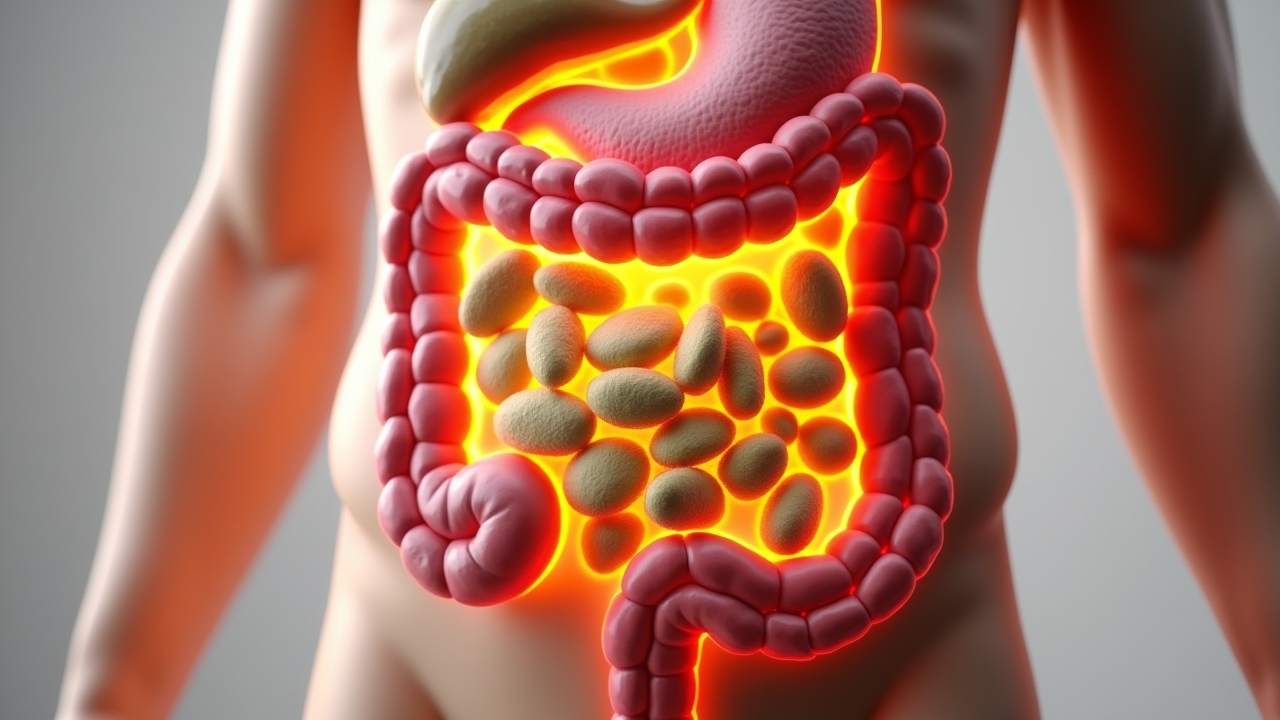
Here’s a stat that honestly blew my mind — your liver produces roughly 500 to 600 milliliters of bile every single day. That’s about two full cups of this yellow-green fluid working behind the scenes to keep your digestion running smoothly! I spent years ignoring bloating, weird fatty stools, and that heavy feeling after meals before I finally connected the dots to bile production and gut health.
If you’ve ever felt like your body just can’t handle fats the way it used to, you’re not alone. Understanding how bile digestion and gut health are connected was honestly a game-changer for me, and I think it could be for you too.
So What Exactly Does Bile Do in Your Digestive System?
Think of bile as nature’s dish soap. It’s produced by the liver, stored in the gallbladder, and released into your small intestine whenever you eat something fatty. Its main job is to emulsify fats — basically breaking big fat globules into tiny droplets so your digestive enzymes can actually do their thing.
But here’s what most people don’t realize. Bile doesn’t just help with fat absorption — it also plays a huge role in absorbing fat-soluble vitamins like A, D, E, and K. Without enough bile flow, you could be eating all the right foods and still end up deficient in critical nutrients, which is something the Johns Hopkins digestive health team explains really well.
I learned this the hard way when my vitamin D levels tanked a few years back despite supplementing. Turns out my bile production was sluggish and I wasn’t absorbing much of anything properly.
The Bile-Gut Microbiome Connection Nobody Talks About
Okay, this part genuinely fascinated me. Bile acids don’t just digest fats — they actually shape your gut microbiome. Research published in Nature Reviews Gastroenterology & Hepatology shows that bile acids have antimicrobial properties that regulate which bacteria thrive in your intestines.
When bile flow is insufficient, harmful bacteria can overgrow in the small intestine. This is actually one of the contributing factors to something called SIBO — small intestinal bacterial overgrowth. And let me tell you, the bloating and discomfort from that is no joke.
Advertisements
On the flip side, your gut bacteria actually transform primary bile acids into secondary bile acids, which then signal your liver and metabolism through something called the FXR signaling pathway. It’s this beautiful feedback loop that most of us never think about until something goes wrong.
Signs Your Bile Flow Might Be Off
I ignored these signs for way too long, so let me save you some time. Here’s what to watch for:
- Pale or clay-colored stools (this was my wake-up call)
- Bloating and nausea after eating fatty meals
- Floating, greasy stools that are hard to flush
- Chronic fatigue despite adequate sleep
- Deficiencies in fat-soluble vitamins
- Upper right abdominal discomfort
If any of these sound familiar, it might be worth chatting with your healthcare provider about your liver function and bile production.
What Actually Helped Me Support Better Bile Flow
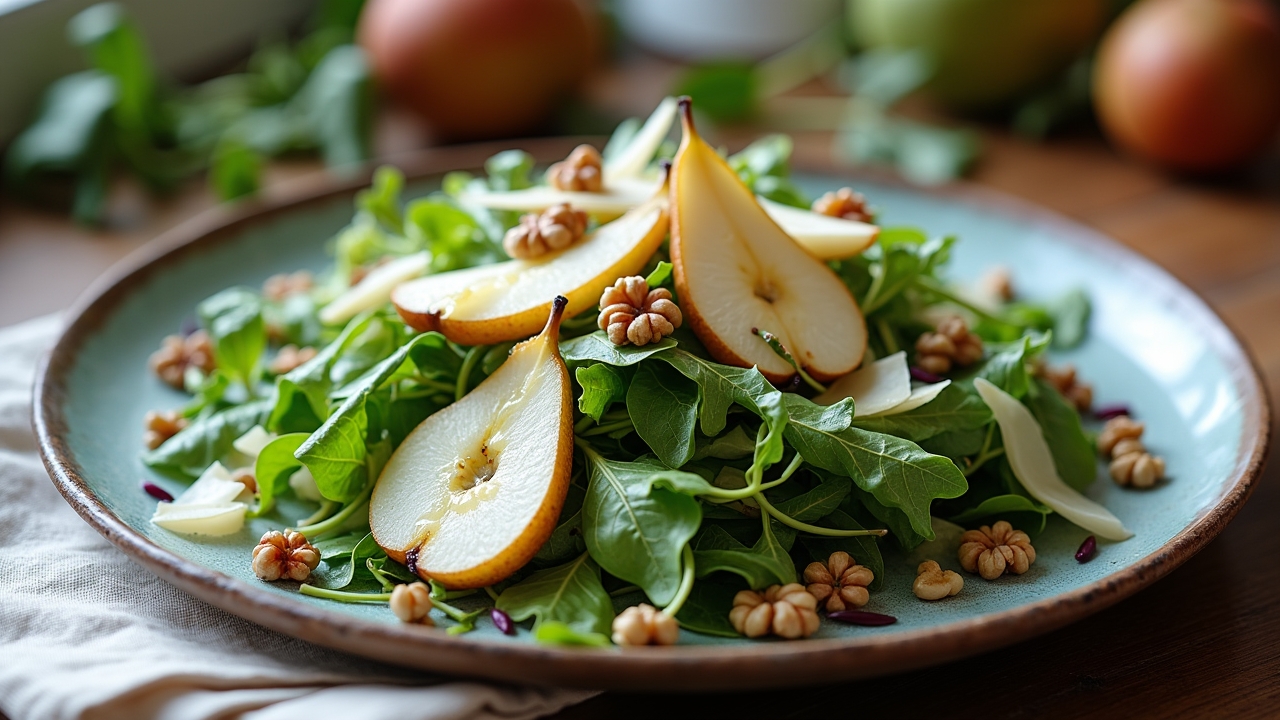
After doing a ton of research — and some trial and error, honestly — I found a few things that made a noticeable difference. Bitter foods like arugula, dandelion greens, and artichoke became staples in my diet. These naturally stimulate bile secretion and they’re been used in traditional medicine for centuries.
I also started taking ox bile supplements with fatty meals, which was recommended by my naturopath after I had my gallbladder checked. The difference was almost immediate — less bloating, better energy, and my digestion just felt smoother overall. Staying hydrated matters too since bile is mostly water.
One thing that surprised me was how much movement helped. Even a 15-minute walk after meals seemed to get things flowing better. And cutting back on processed foods reduced the overall burden on my liver, which meant better bile quality.
Your Gut Is Talking — Maybe It’s Time to Listen
Look, I’m not a doctor and everyone’s body is different. What worked for me might need tweaking for you. But the relationship between bile digestion and gut health is something that deserves way more attention than it gets.
Always consult with a qualified healthcare professional before starting supplements or making major dietary changes, especially if you have gallbladder issues or liver conditions. Your digestive system is unique and it deserves a personalized approach.
If this topic got you curious, there’s plenty more where this came from. Head over to Prime Guts and explore our other posts on digestive wellness, gut microbiome health, and practical tips for feeling your best from the inside out!