Advertisements
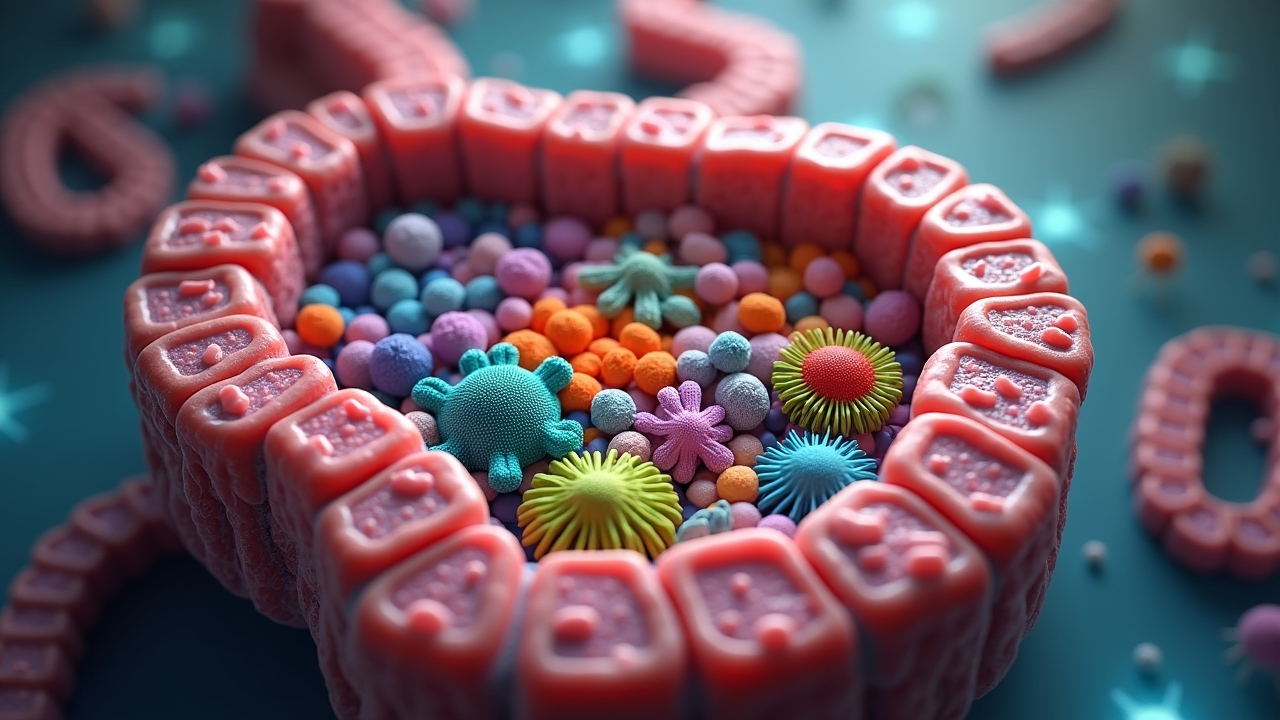
Did you know that your gut bacteria might be the ones actually craving sugar — not you? I know, it sounds wild. But hear me out, because once I learned this, it completely changed how I looked at my afternoon candy habit.
Why You Can’t Stop Craving Sugar (Hint: It’s Not Just Willpower)
I used to think I just had zero self-control. Every single day around 3 PM, I was raiding the kitchen for something sweet. Cookies, gummy bears, you name it. Turns out, the real culprit might be living deep inside my digestive system — trillions of gut microbes that have their own agenda.
According to research published in BioEssays, certain gut bacteria can actually manipulate your food cravings by influencing your mood, taste receptors, and even your vagus nerve. Yeah. They’re basically sending little signals to your brain saying “feed me sugar.” It’s not sci-fi — it’s biology.
The Gut Microbiome and Sugar: What’s Really Going On
Your gut microbiome is made up of hundreds of bacterial species, and they don’t all want the same food. Some thrive on fiber and fermented foods. Others — like Candida and certain harmful bacteria — absolutely love refined sugar and simple carbs.
When the sugar-loving bacteria outnumber the good guys, your gut microbiota balance gets thrown off. This is called dysbiosis, and it can cause a feedback loop where you eat more sugar, feed the bad bacteria, they grow stronger, and then crave even more sugar. I was literally stuck in that cycle for years without knowing it.
The Harvard T.H. Chan School of Public Health explains that what we eat directly shapes our gut flora — for better or worse. So every sugary snack is basically a vote for which bacteria gets to run the show.
Advertisements
Signs Your Gut Bacteria Might Be Driving Your Sugar Cravings
- You feel intense sugar cravings after meals, even when you’re full
- You experience bloating or gas after eating sweets
- Your mood tanks if you skip your usual sugary snack
- You feel foggy or tired shortly after eating refined carbs
- You’ve been on antibiotics recently, which can disrupt gut flora balance
If a few of those hit close to home, don’t panic. It happened to me too. The good news? You can actually shift your gut bacteria to reduce those cravings over time.
How to Rebalance Your Gut and Tame Those Cravings
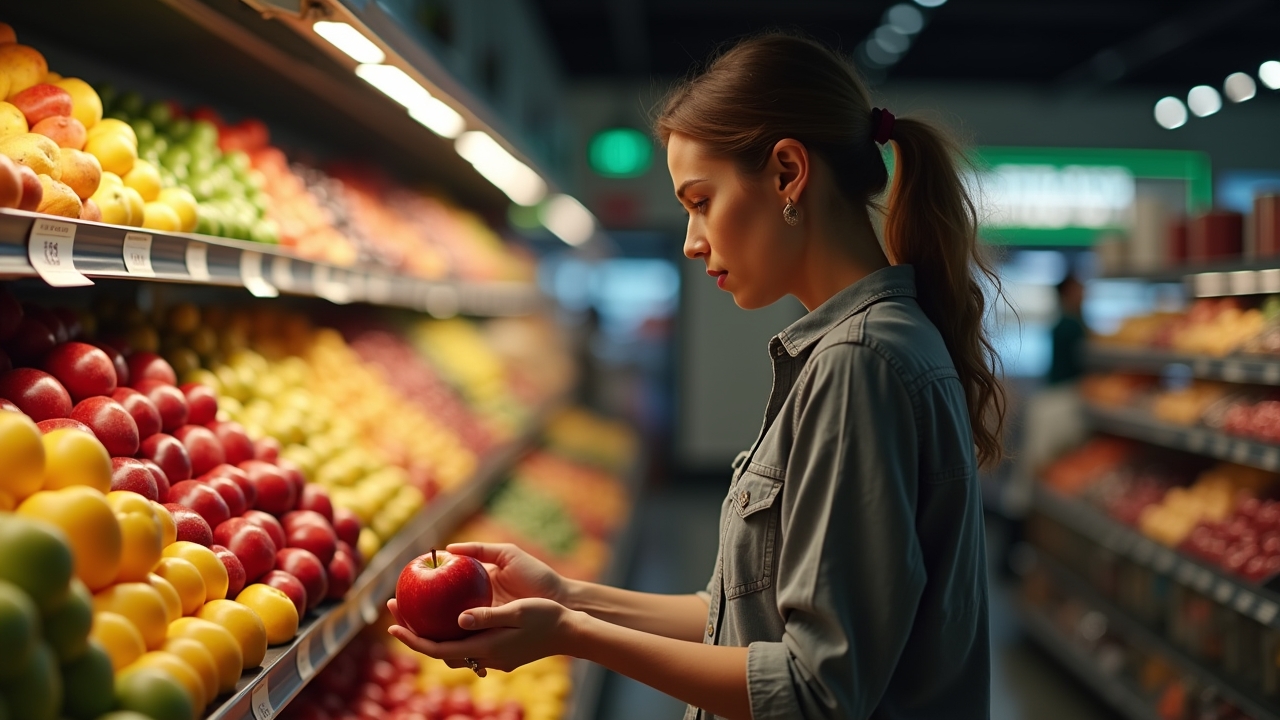
Okay, so here’s where it gets practical. When I started focusing on my gut health, the first thing I did was add more fermented foods to my diet — kimchi, kefir, and plain yogurt became regulars on my grocery list. These foods are packed with probiotics that help feed the beneficial bacteria in your gut.
Next, I increased my prebiotic fiber intake. Think garlic, onions, bananas, and oats. Prebiotics are basically food for your good bacteria, and when those microbes are well-fed, they multiply and start to crowd out the sugar-hungry ones. It honestly took about 3 to 4 weeks before I noticed my 3 PM cravings starting to dial down.
Also — and this one surprised me — cutting back on artificial sweeteners helped a lot. According to a study in Nature, artificial sweeteners can actually alter gut bacteria composition in ways that worsen glucose intolerance. So swapping candy for “diet” stuff wasn’t the fix I thought it was.
A Few Simple Swaps That Actually Worked For Me
- Replaced afternoon soda with kombucha (takes getting used to, ngl)
- Added a daily probiotic supplement — I noticed less bloating within two weeks
- Swapped white bread for sourdough, which is easier on gut bacteria
- Started eating more dark leafy greens to diversify my microbiome
- Reduced ultra-processed foods, which are basically junk food for bad bacteria
Your Gut, Your Power
Here’s the bottom line — your sugar cravings aren’t a personal failing. They might literally be coming from your gut microbiome, and that’s actually kind of empowering when you think about it. Because if bacteria can make you crave sugar, you can fight back by changing what you feed them.
Everyone’s gut is different, so what worked for me might need a little tweaking for you. Always talk to a doctor or registered dietitian before making big dietary changes, especially if you have underlying health conditions. Small, consistent steps beat crash diets every single time.
If this got you thinking about your gut health, there’s a whole lot more to explore. Head over to Prime Guts for more posts on how to support your digestive health, boost your microbiome, and feel genuinely better from the inside out. You won’t regret it!