Advertisements
Did you know that chronic inflammation is linked to over 7 out of 10 leading causes of death in the United States? Yeah, that hit me hard too when I first read it. I used to think inflammation was just what happened when you twisted your ankle — not something quietly messing with your heart, joints, and energy levels every single day.
It wasn’t until my doctor told me my inflammatory markers were “a little high” that I actually started paying attention to what I was throwing in my grocery cart. Honestly? It was kind of embarrassing. I thought I was eating healthy. Spoiler: I wasn’t.
So today, I’m sharing the exact anti-inflammatory grocery list I put together after a lot of trial, error, and way too many Google rabbit holes. Let’s get into it.
Why Your Grocery Cart Matters More Than You Think
Here’s the thing — food is either fighting inflammation or feeding it. There’s really no neutral ground. The Harvard T.H. Chan School of Public Health actually confirms that an anti-inflammatory diet can significantly reduce the risk of chronic disease. That’s not small stuff.
When I first cleaned up my diet, I felt the difference within two weeks. Less brain fog, better sleep, my knees stopped aching after runs. I’m not saying food is magic — but it’s pretty close.
The Anti-Inflammatory Grocery List You Actually Need
Alright, let’s break this down by category so it’s easy to follow next time you’re walking the aisles.
Advertisements
Fruits and Vegetables
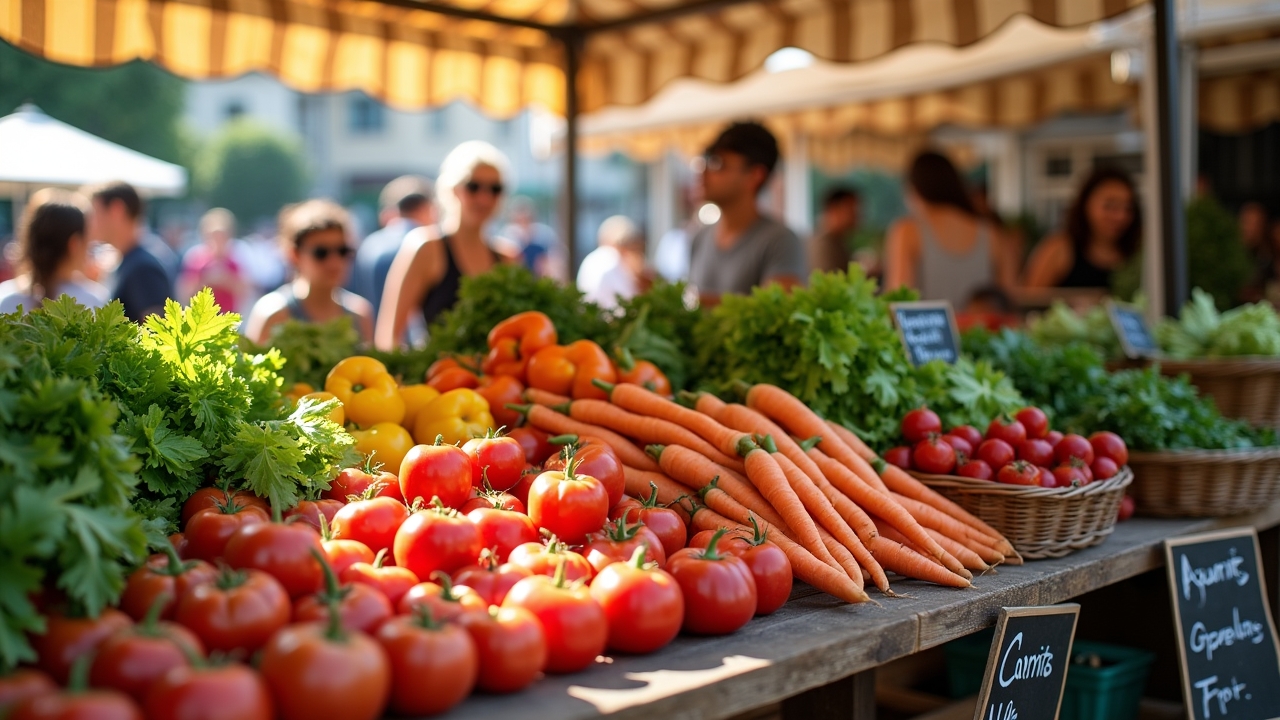
This is your foundation. Load up here, seriously. The more colorful your cart looks, the better.
- Blueberries — packed with antioxidants called anthocyanins that fight oxidative stress
- Leafy greens (spinach, kale, arugula) — rich in vitamin K and polyphenols
- Broccoli — contains sulforaphane, a compound studied for its anti-inflammatory effects
- Cherries — especially tart cherries, great for joint inflammation
- Beets — I know, I know. They stain everything. But betalains are worth it.
- Tomatoes — lycopene is a powerhouse, especially when cooked
- Avocados — healthy fats plus carotenoids? Yes please.
Proteins
Not all proteins are created equal. Some, like processed meats, can actually trigger inflammation. Stick to these instead.
- Wild-caught salmon — loaded with omega-3 fatty acids, one of the best anti-inflammatory foods out there. Healthline has a great breakdown of why omega-3s matter so much.
- Sardines and mackerel — budget-friendly and underrated
- Eggs (pasture-raised if you can) — choline and healthy fats
- Legumes — lentils, black beans, chickpeas. High fiber = lower CRP levels.
- Walnuts — technically a snack but I’m counting it here. ALA omega-3s for the win.
Whole Grains
Refined grains are inflammatory. Whole grains? The opposite. Swap your white bread and white rice for these.
- Oats — beta-glucan fiber helps regulate immune response
- Quinoa — complete protein and anti-inflammatory compounds
- Brown rice — easy swap, big difference
- Farro — a little fancy but so good in salads
Pantry Staples and Spices
This section changed my cooking completely. These don’t just add flavor — they’re doing serious work inside your body.
- Turmeric — curcumin is one of the most studied natural anti-inflammatory compounds in the world. Pair it with black pepper to boost absorption by up to 2000%, no joke.
- Ginger — fresh or powdered, both work
- Extra virgin olive oil — oleocanthal works similarly to ibuprofen. Wild, right?
- Green tea — EGCG is a powerful antioxidant
- Dark chocolate (70%+ cacao) — yes, this is on the list. You’re welcome.
- Garlic — allicin reduces inflammatory cytokines
Foods to Ditch (Or at Least Minimize)
I learned this the hard way — you can’t out-supplement a bad diet. Cutting these made a bigger difference than adding anything.
- Refined sugars and sugary drinks
- Vegetable oils high in omega-6s (corn, soybean, sunflower)
- Processed snack foods and fast food
- White bread and refined carbs
- Excessive alcohol
Your Gut Will Thank You
Look, building an anti-inflammatory grocery list isn’t about being perfect — it’s about being consistent. Start small. Swap one thing this week. Add blueberries to your oatmeal. Cook with olive oil instead of vegetable oil. These little shifts add up faster than you’d think.
And please — always talk to your doctor or a registered dietitian before making big dietary changes, especially if you’re managing a health condition. Food is powerful, but it works best as part of a bigger picture.
If this got you thinking about your gut health in a new way, there’s plenty more where that came from. Head over to Prime Guts and explore more posts on living better from the inside out. Your body is worth the read.