Advertisements
Did you know that over 70% of overweight individuals may have some form of leptin resistance? I remember sitting at my kitchen table, having just eaten a full dinner, and still feeling like I could eat a second plate. No shame — but I knew something was off. Turns out, my hunger signals were basically broken. And the culprit? Leptin resistance.
What Is Leptin and Why Should You Care?
Leptin is a hormone produced by your fat cells. Its main job is to tell your brain, “Hey, we’re full — stop eating!” Pretty straightforward, right? But when your body stops responding to that signal, things get messy fast.
This condition is called leptin resistance, and it’s one of the sneakiest reasons people struggle with constant hunger even when they’ve eaten enough. It’s not a willpower problem. It’s a hormonal communication breakdown.
Think of it like your smoke detector running out of batteries. The fire (your full stomach) is there, but the alarm (leptin signal) never goes off. So your brain just keeps screaming for more food.
How Leptin Resistance Causes Uncontrollable Hunger
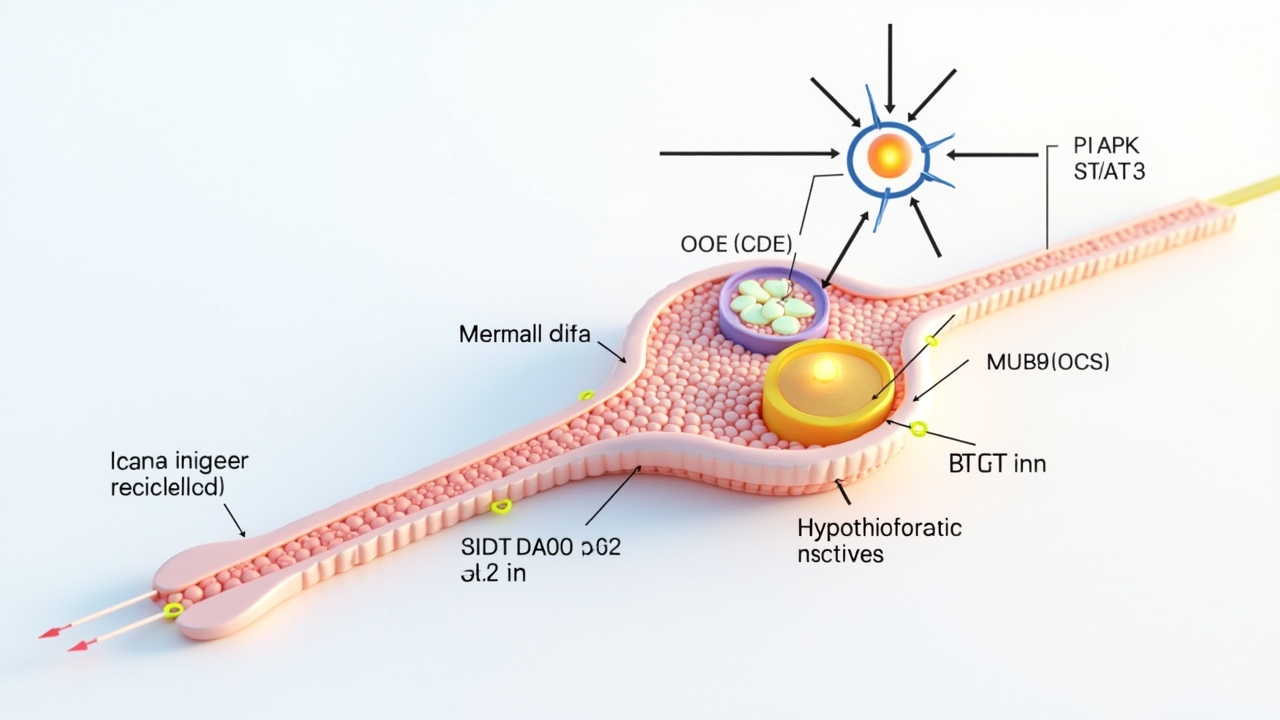
When leptin resistance kicks in, your hypothalamus — the part of your brain that regulates hunger — never gets the “I’m satisfied” message. So it just keeps triggering hunger hormones like ghrelin. You eat. You’re still hungry. You eat more. It’s a brutal cycle.
High body fat actually makes this worse. The more fat cells you have, the more leptin is produced — but paradoxically, your brain becomes less sensitive to it. It’s like turning up the volume on a speaker that’s already broken. According to research published by the NIH, chronic overeating and high-fat diets can significantly impair leptin signaling in the brain.
Advertisements
I honestly didn’t understand this until I read up on it. I thought I just had “bad genetics.” Nope — I had a fixable hormonal issue.
Signs You Might Have Leptin Resistance
- You feel hungry shortly after eating a full meal
- You have strong cravings, especially for carbs or sugary foods
- You’re carrying extra weight around the belly area
- You feel fatigued even after sleeping enough
- Losing weight feels nearly impossible despite dieting
Sound familiar? It did to me. The tricky part is that these symptoms overlap with a lot of other stuff, so it’s often overlooked. If you’re nodding along, it might be worth talking to your doctor and checking out resources like Healthline’s breakdown on leptin to get a clearer picture.
What Actually Helps With Leptin Resistance Hunger
Here’s the good news — you can actually improve leptin sensitivity with some real lifestyle changes. No magic pill required (trust me, I looked for one).
- Reduce processed foods: High-sugar and high-fat processed foods are major drivers of leptin resistance. Cutting them out was a game-changer for me.
- Prioritize sleep: Poor sleep tanks your leptin levels fast. Even one bad night can spike hunger hormones the next day. The Sleep Foundation explains this connection really well.
- Exercise regularly: Moderate cardio and resistance training both help improve leptin sensitivity over time.
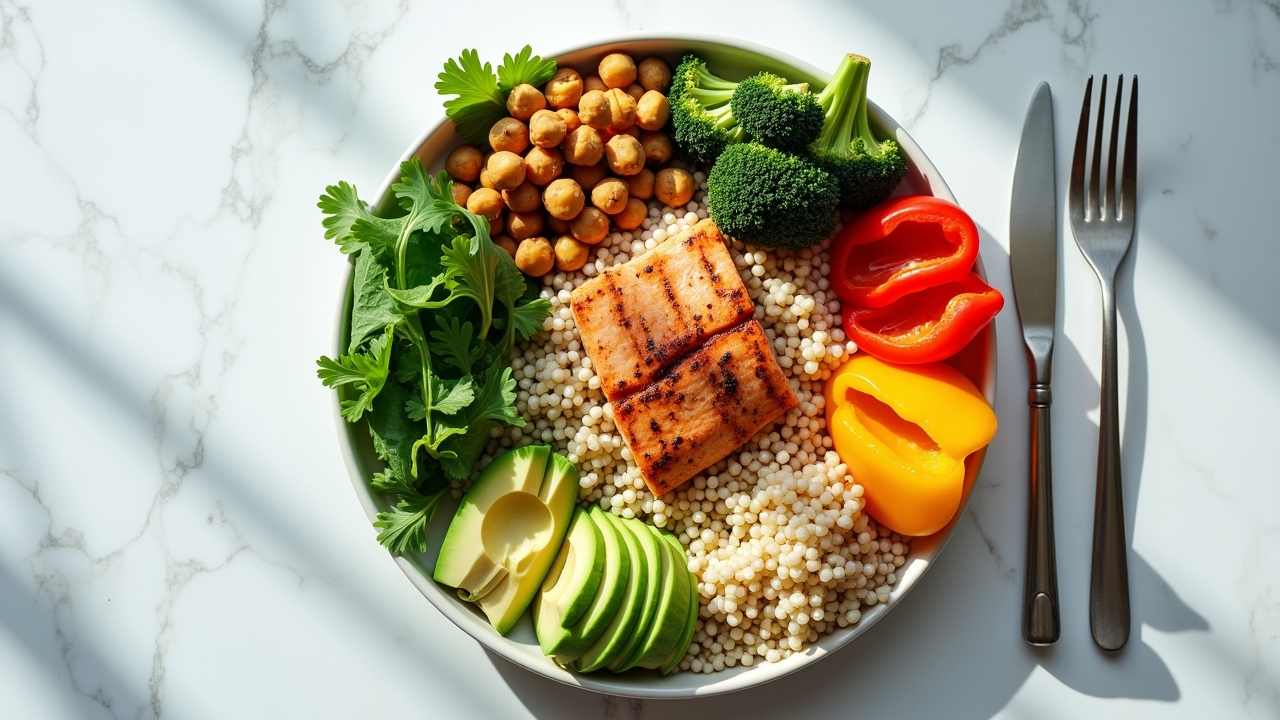
- Eat more protein and fiber: These help you feel genuinely full and slow down digestion, which gives your leptin signal time to actually work.
- Manage stress: Cortisol (your stress hormone) interferes directly with leptin. Meditation, walks outside, even a good laugh — all of it helps.
I started with sleep and protein first. Honestly, within two weeks I noticed my after-dinner cravings were way less intense. Small wins, but they add up.
Taking Back Control of Your Hunger
Leptin resistance hunger is real, it’s frustrating, and it’s incredibly common — but it’s not a life sentence. Understanding why your body is sending the wrong signals is already half the battle. The other half is making consistent, manageable changes that actually stick.
Everyone’s body is different, so what works for me might need some tweaking for you. Always check with a healthcare professional before making major changes, especially if you’re dealing with other metabolic conditions. Your health journey is personal — honor that.
Want to keep learning about gut health, hormones, and feeling your best from the inside out? Head over to Prime Guts — there’s a whole library of posts waiting for you. You’ve got this!