
Advertisements
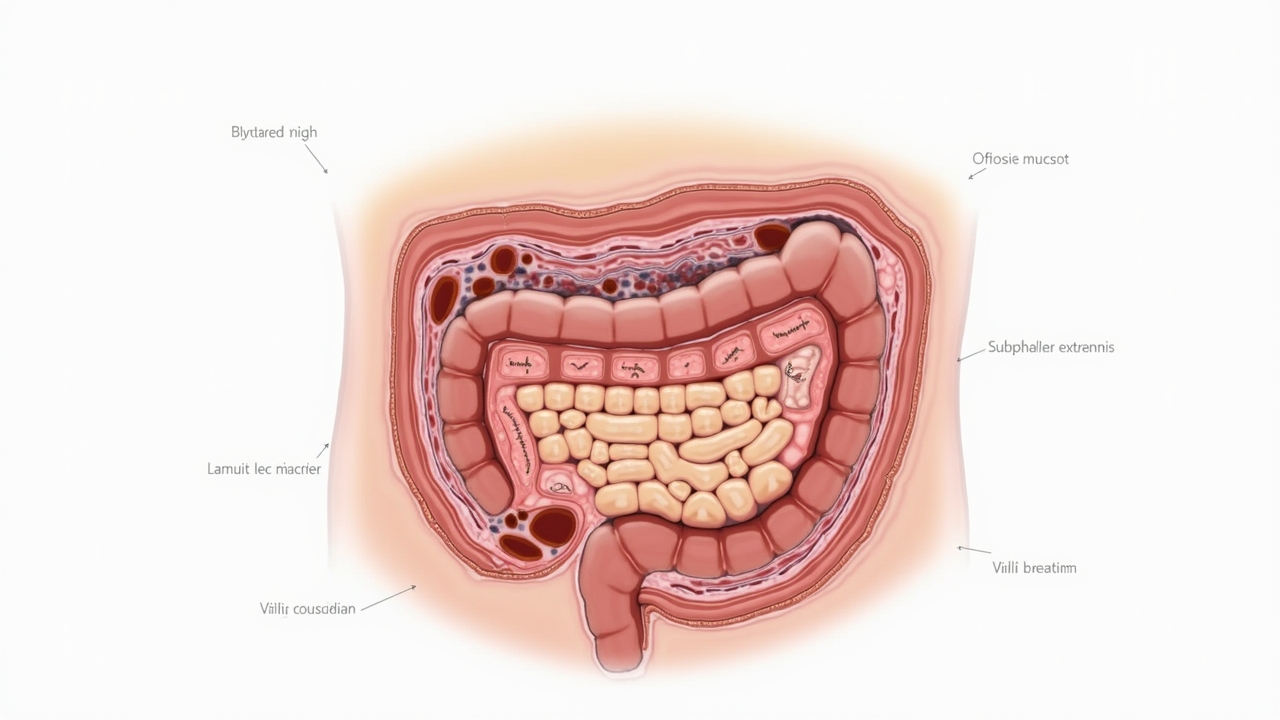
Gut Health and Autoimmune Disease: What Your Belly Is Trying to Tell You
Did you know that nearly 70% of your immune system lives in your gut? Yeah, I was floored when I first read that too. I used to think my stomach was just for digesting tacos. Turns out, it’s basically running the whole show.
A few years back, I was exhausted all the time, my joints ached, and my skin looked like it was staging a protest. My doctor eventually mentioned the words “autoimmune response,” and honestly, I had no idea what that meant. It wasn’t until I started digging into gut health research that things began to click.
What’s the Connection Between Gut Health and Autoimmune Disease?
So here’s the deal. Your gut is home to trillions of bacteria, fungi, and other microorganisms — all collectively known as the gut microbiome. When this community is balanced, your immune system stays calm and regulated. But when things go sideways — what scientists call gut dysbiosis — your immune system can get confused and start attacking your own body.
That’s basically what autoimmune diseases are. Conditions like rheumatoid arthritis, lupus, Hashimoto’s thyroiditis, and multiple sclerosis have all been linked to imbalances in the gut microbiome. It’s wild to think your digestive system might be pulling the strings on something that serious.
Leaky Gut: The Term You’ve Probably Heard But Ignored
Okay, I’ll be honest — I rolled my eyes the first time someone mentioned “leaky gut” to me. Sounded like something from a health influencer’s Instagram, ya know? But the science is actually pretty legit.
Intestinal permeability, the technical term for leaky gut, happens when the lining of your gut gets damaged and starts letting toxins and undigested food particles into your bloodstream. Your immune system sees these as invaders and goes into full attack mode. Over time, this chronic inflammation can trigger or worsen autoimmune conditions.
Advertisements
I remember cutting out gluten for a month on a whim — not even for health reasons, just because a friend dared me. My joint pain dropped noticeably. Coincidence? Maybe. But now I take gut lining health a lot more seriously.
Foods That Help (And Hurt) Your Gut-Immune Axis
What you eat directly shapes your gut microbiome, which in turn shapes your immune response. Here are some things worth paying attention to:
- Fermented foods like yogurt, kefir, sauerkraut, and kimchi introduce beneficial bacteria into your gut. Stanford researchers found that a high-fermented food diet increased microbiome diversity and reduced immune markers of inflammation.
- Fiber-rich foods — think vegetables, legumes, and whole grains — feed the good bacteria already living in your gut.
- Processed foods and added sugars are basically kryptonite for your microbiome. They feed the bad bacteria and starve the good ones.
- Omega-3 fatty acids found in salmon, walnuts, and flaxseeds help reduce gut inflammation and support immune regulation.
I’m not saying you need to become a health nut overnight. Trust me, I still eat pizza on Fridays. But small, consistent changes? Those add up more than people realize.
Practical Steps You Can Start Today
Alright, so what can you actually do about all this? Here’s what’s worked for me and what the research tends to back up:
- Add a probiotic supplement or eat one fermented food daily. Start small — even a spoonful of yogurt counts.
- Reduce stress — seriously, chronic stress disrupts the gut-brain axis and tanks your microbiome diversity fast.
- Sleep at least 7 hours. Poor sleep is directly linked to gut inflammation. I learned this the hard way during a brutal work stretch last winter.
- Talk to your doctor about gut health if you have an autoimmune condition. Not all doctors are up to speed on this yet, but many are starting to connect the dots.
Your Gut Might Be the Missing Piece
Here’s the thing — if you’re living with an autoimmune disease and feel like you’ve tried everything, your gut might genuinely be the missing piece of the puzzle. It’s not a magic fix, and please, always work with a qualified healthcare professional before making big changes. But the research connecting gut health and autoimmune disease is growing every single year, and it’s hard to ignore.
Every body is different, so what works for one person might need to be tweaked for another. Be patient with yourself, do your research, and stay curious. And hey, if you want to keep learning about gut health in a way that actually makes sense, head over to Prime Guts — there’s a ton of great content waiting for you there.