Advertisements
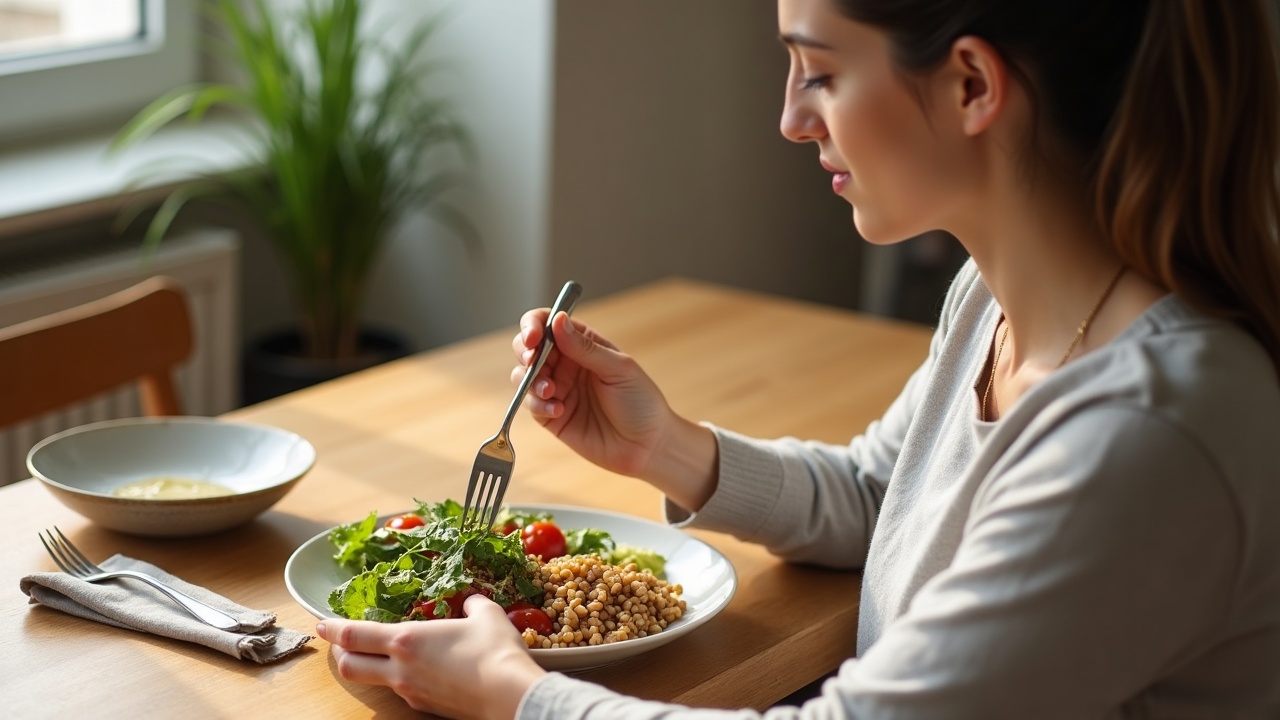
Did you know that over 40% of adults admit to stress eating as their go-to coping mechanism? Yeah, me too. I remember a particularly rough week at work a couple years back — deadlines piling up, my inbox exploding — and I basically lived off chips, chocolate, and leftover pizza for five straight days. I felt awful. Not just emotionally, but physically wrecked. Turns out, there was a real reason for that, and it goes way deeper than just “eating junk food.”
What Is Stress Eating, Really?
Stress eating — also called emotional eating — is when you reach for food not because you’re hungry, but because you’re anxious, overwhelmed, or just plain done with the day. It’s that automatic hand-to-mouth thing that happens before you even realize it. The tricky part? Your brain is literally wired to do this, because high-calorie foods trigger dopamine release, which gives you a quick emotional hit.
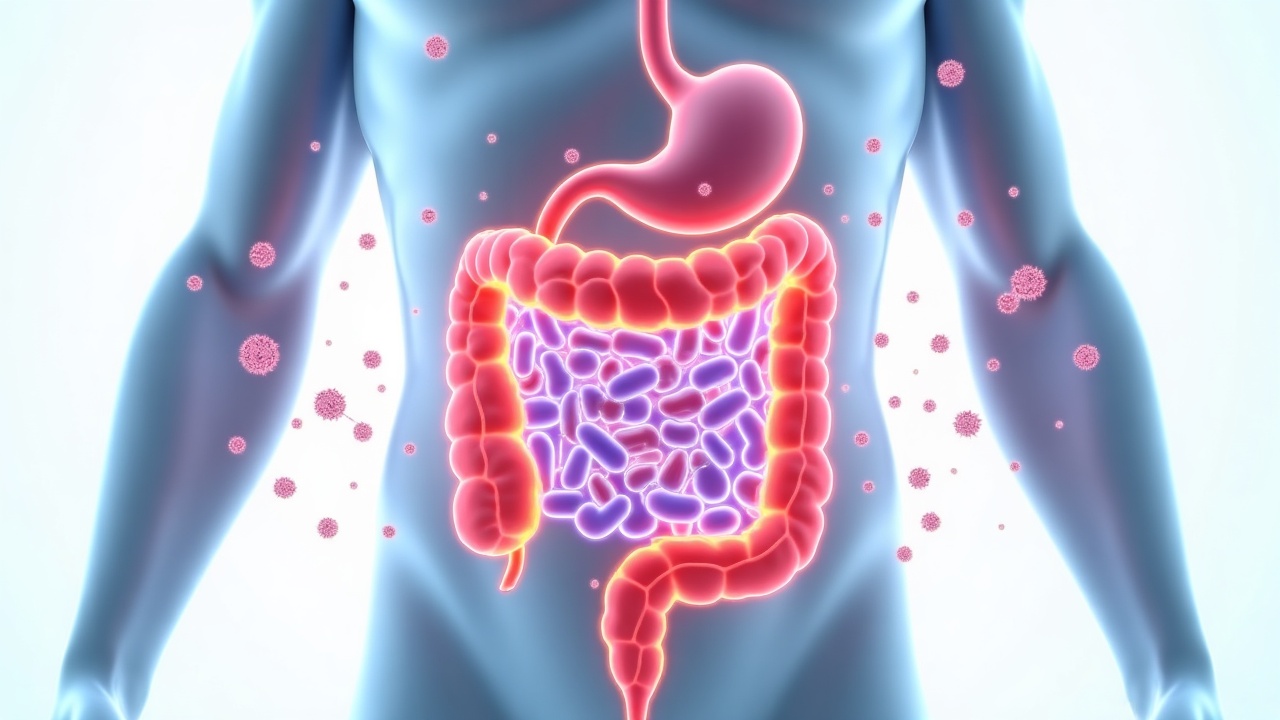
But here’s what most people don’t talk about: stress eating doesn’t just add inches to your waistline. It can seriously damage your gut microbiome — the trillions of bacteria living in your digestive tract that control way more than digestion. We’re talking mood, immunity, inflammation, even brain function. So yeah, it’s kind of a big deal.
How Stress Messes With Your Gut Microbiome
Here’s something that blew my mind when I first learned it. Stress itself — before you even eat a single chip — already starts disrupting your gut. The gut-brain axis is a real, bidirectional communication system between your nervous system and your digestive tract. When you’re stressed, your body floods with cortisol, and that cortisol literally alters the composition of your gut bacteria. You can read more about the gut-brain connection here.
Then you add stress eating on top of that. Ultra-processed foods — the stuff most of us crave under pressure — are low in fiber and loaded with sugar and additives. These foods feed harmful bacteria while starving the beneficial ones, like Lactobacillus and Bifidobacterium. Over time, this creates something called gut dysbiosis, which is basically an imbalance in your microbial community. And trust me, you do not want that.
The Vicious Cycle Nobody Warned Me About
Okay, so here’s where it gets frustrating — and honestly, kind of unfair. When your gut microbiome is damaged, it affects your serotonin production. About 90% of your body’s serotonin is made in the gut, according to Harvard Health. Less serotonin means lower mood. Lower mood means more stress. More stress means more emotional eating. You see where this is going.
Advertisements
I was stuck in this loop for months without even knowing it. I kept thinking I just had “bad willpower.” But actually, my gut was basically sending distress signals to my brain, making me crave comfort foods even harder. Once I understood that, I stopped beating myself up and started actually fixing the root cause.
Signs Your Gut Might Be Taking a Hit
- Bloating or gas after meals you used to tolerate fine
- Irregular digestion — constipation, diarrhea, or both (fun combo, I know)
- Increased food cravings, especially sugar
- Mood swings or unexplained anxiety
- Fatigue that doesn’t go away even after rest
- Weakened immunity — getting sick more often than usual
If you’re nodding at two or more of these, your microbiome might already be feeling the effects of stress eating. Don’t panic — this stuff is reversible. But it does take some intentional steps.
Practical Ways to Protect Your Gut During Stressful Times
First thing I did was add fermented foods to my daily routine. Things like yogurt, kefir, kimchi, and sauerkraut introduce beneficial bacteria back into your gut. Healthline has a solid breakdown of fermented foods worth bookmarking. Small change, noticeable difference within a few weeks.
Second, I started keeping stress snacks nearby that weren’t total gut bombs — think raw almonds, dark chocolate (70%+ cacao), or apple slices with almond butter. These still satisfy that emotional craving without torching your microbiome diversity. Also, prebiotic-rich foods like garlic, onions, and bananas help feed the good bacteria that stress is trying to wipe out.
And honestly? Managing the stress itself is non-negotiable. Even 10 minutes of deep breathing or a short walk can lower cortisol enough to reduce that frantic “I need food NOW” feeling. It sounds simple, but it genuinely works.
Your Gut Deserves More Credit Than You’re Giving It
Look, stress isn’t going anywhere — life is stressful, and that’s just reality. But understanding that stress eating microbiome damage is a real, measurable thing changes how you approach your habits. Your gut isn’t just a food processor. It’s a complex ecosystem that affects how you feel, think, and function every single day.
Take what works for you here and build on it. Everyone’s body is different, and what helps one person might not be your magic fix. That said, please — if your symptoms are severe or persistent, loop in a healthcare professional before going full DIY. And if you’re curious to keep learning about gut health, hormones, digestion, and all the stuff that actually matters for how you feel, come hang out at Prime Guts — there’s a whole library of posts waiting for you.