
Advertisements
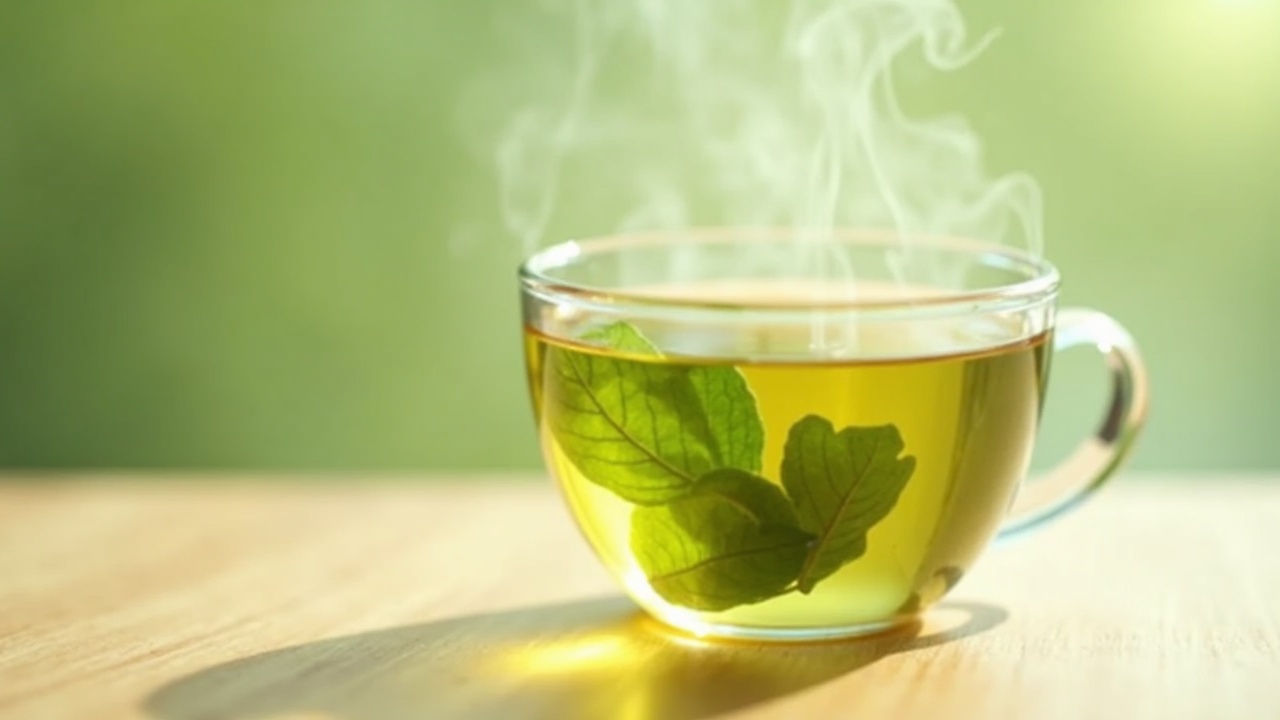
Did you know that chronic inflammation is linked to over 50% of all deaths worldwide? Yeah, that stat stopped me in my tracks too. I started digging into anti-inflammatory drinks a couple of years ago after my doctor basically told me my lifestyle was a ticking time bomb. That’s when the whole green tea vs matcha inflammation debate landed on my radar — and honestly, it changed how I start every single morning.
What’s the Difference Between Green Tea and Matcha Anyway?
Okay, so here’s where I messed up at first. I thought matcha was just fancy green tea in powder form. Turns out, I was only half right. Both come from the Camellia sinensis plant, but matcha is made from shade-grown leaves that are ground into a fine powder — meaning when you drink it, you’re consuming the whole leaf, not just an infusion.
Green tea is steeped and then discarded. Matcha is fully consumed. That one difference? It’s kind of a big deal when we’re talking about anti-inflammatory compounds and antioxidant levels. Think of it like eating an orange versus drinking a small glass of orange juice — you get way more of the good stuff from the whole thing.
The Science Behind Inflammation and These Two Teas
Both green tea and matcha are loaded with catechins, especially one called EGCG (epigallocatechin gallate) — arguably the MVP of natural anti-inflammatory compounds. EGCG works by suppressing inflammatory markers like NF-kB and reducing oxidative stress in the body. That’s the stuff that ages you from the inside out.
Here’s the kicker though. Matcha has been shown to contain up to 137 times more EGCG than regular brewed green tea, according to research published in the Journal of Agricultural and Food Chemistry. So if you’re purely chasing anti-inflammatory benefits, matcha has a pretty serious edge. But that doesn’t mean green tea is useless — not even close.
Green Tea for Inflammation: Don’t Sleep on It
I drank green tea every day for about six months before I ever tried matcha. And honestly? My joints felt better, my energy was more stable, and my brain fog started to lift a little. Green tea is still a powerful anti-inflammatory drink — it’s just a bit more gentle and way more accessible.
Advertisements
Here are some legit benefits of green tea for inflammation:
- Reduces levels of C-reactive protein (CRP), a key inflammation marker
- Supports gut health, which is directly tied to systemic inflammation
- Contains L-theanine, which reduces cortisol (stress = inflammation, remember)
- Easy to find, affordable, and simple to brew
- Lower caffeine content — better for people sensitive to stimulants
If you want to explore quality options, Tea Forté’s green tea collection is one I’ve personally gone back to a bunch of times. No sponsorship, just genuinely good stuff.
Matcha for Inflammation: The Powerhouse Option
When I finally switched to matcha — ceremonial grade, not the cheap culinary stuff — it felt like upgrading from a bicycle to a motorcycle. More focused energy, cleaner digestion, and that sluggish afternoon feeling I used to get? Gone. Like, actually gone.
Matcha’s anti-inflammatory benefits go beyond just EGCG. It also contains chlorophyll (from the shade-growing process), which has its own detoxifying and anti-inflammatory properties. Plus, the L-theanine and caffeine combo in matcha creates what people call “calm focus” — no jitteriness, just clean mental clarity.
One thing I learned the hard way: quality matters enormously with matcha. Cheap matcha tastes bitter and doesn’t have the same nutritional profile. Look for ceremonial-grade, preferably from Japan. Ippodo Tea is one of the most respected sources out there.
So Which One Should You Choose?
Honestly, it depends on your goals, your budget, and your lifestyle. Here’s my quick breakdown:
- Choose green tea if you want a gentle daily anti-inflammatory habit, you’re caffeine-sensitive, or you’re just starting out
- Choose matcha if you want maximum antioxidant power, better focus, and you’re serious about reducing chronic inflammation
- Use both if you’re like me and just love switching things up — green tea in the evening, matcha in the morning
The Bottom Line — Your Cup, Your Rules
Whether you go green tea or matcha, you’re already making a solid choice for your body. Both drinks fight inflammation in real, science-backed ways. Start with what feels right for you, and don’t be afraid to experiment a little — that’s how I figured out what actually worked for my body.
Just remember: no tea is a miracle cure. Always talk to your doctor if you’re dealing with serious inflammatory conditions, and be mindful of caffeine intake if you have any heart or anxiety concerns. These are powerful plants, and a little respect goes a long way.
If this got you curious, there’s a whole world of wellness content waiting for you over at Prime Guts — go check it out and find your next favorite read!