
Advertisements
Did you know your tongue can reveal more about your gut health than most blood tests? I’m not even joking. I stumbled onto this whole topic after years of dealing with bloating and fatigue, and honestly, I felt a little dumb for never connecting the dots sooner.
Your tongue is basically a mirror for what’s happening deep inside your digestive system. So let’s talk about the real tongue gut health signs you should never ignore — and what they might be trying to tell you.
Why Your Tongue Reflects Your Gut Health
In Traditional Chinese Medicine, tongue diagnosis has been used for thousands of years. Western medicine is starting to catch up too, recognizing that the oral-gut microbiome connection is very real. According to Healthline, the tongue’s color, coating, and texture can signal inflammation, bacterial imbalance, and digestive dysfunction.
Think about it — your mouth is literally the first stop in your digestive tract. Whatever is off downstairs? It often shows up upstairs first.
Common Tongue Signs Linked to Poor Gut Health
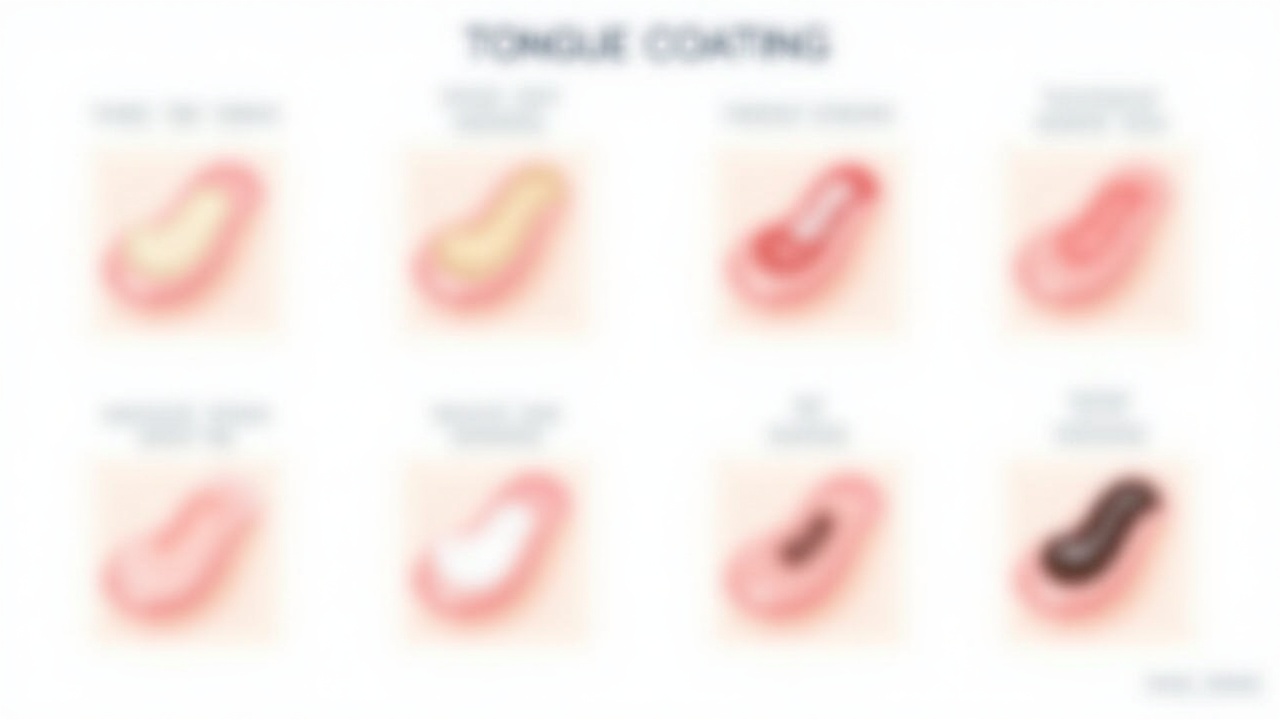
1. Thick White Coating
This was actually the first sign I noticed on myself. A thick, white, pasty coating on the tongue is often linked to gut dysbiosis — basically, an imbalance between the good and bad bacteria in your intestines. It can also point to candida overgrowth, which is way more common than people think.
If your coating is thick and won’t go away even after brushing, that’s your gut waving a red flag. Check out Medical News Today’s breakdown of tongue coatings for a deeper look.
2. Yellow or Brown Coating
A yellowish tongue coating is often tied to liver stress or bile imbalances, which directly affect how your gut processes fats and toxins. I had a phase where my tongue looked straight-up mustard yellow — turns out my diet was terrible and my liver was working overtime.
Advertisements
Brown coatings can sometimes indicate more serious digestive issues, including gut inflammation or even poor intestinal motility. Definitely something to bring up with your doctor.
3. Cracks or Fissures on the Tongue
A cracked tongue — technically called fissured tongue — can be linked to nutrient deficiencies like B12, iron, or zinc, all of which are absorbed in the gut. If your intestinal lining is damaged (hello, leaky gut syndrome), your body literally can’t pull those nutrients out of your food properly.
The National Institute of Dental and Craniofacial Research recognizes fissured tongue as a real condition worth monitoring over time.
4. Pale or Very Light Tongue
A healthy tongue should be a nice pink color. When it goes pale, that’s often a sign of anemia or iron deficiency — again, typically caused by poor gut absorption. Your intestines might not be doing their job properly.
Pale tongues can also indicate overall poor circulation and weak digestive energy. It sounds woo-woo, but the science actually backs this up.
5. Red or Inflamed Tongue (Geographic Tongue)
Ever seen a tongue with weird red patches that kind of look like a map? That’s called geographic tongue, and it’s been associated with inflammatory bowel conditions and food sensitivities. When I went gluten-free for a month — just as an experiment — those patches on my tongue legit faded. Coincidence? Maybe. But probably not.
Quick Tips to Improve Both Tongue and Gut Health
- Scrape your tongue every morning to remove bacteria and coating buildup.
- Add probiotic-rich foods like yogurt, kefir, and kimchi to your daily diet.
- Stay hydrated — dry mouth can worsen tongue symptoms and slow digestion.
- Reduce sugar intake to fight candida and bad bacteria overgrowth.
- Consider a gut health test if your tongue signs persist — knowledge is power.
Your Tongue Is Talking — It’s Time to Listen
Here’s the thing: your body is always communicating with you. The tongue-gut health connection is one of the most underrated tools for self-awareness out there. You don’t need fancy equipment — just a mirror and a little know-how.
Everyone’s body is different, so don’t panic if you spot something off. Use these signs as a starting point, not a diagnosis. Always consult a healthcare professional if symptoms persist or worsen — please don’t go self-diagnosing a serious condition based solely on a tongue selfie.
If this got you curious about your gut health, you’re in the right place. Head over to Prime Guts and explore more posts that break down gut health in a way that’s actually easy to understand and act on. Your gut will thank you!