Advertisements
How to Reset Your Circadian Rhythm Hormones (And Actually Sleep Like a Human Again)
Did you know that nearly 70 million Americans suffer from chronic sleep disorders? That stat hit me hard when I first read it — mostly because I was definitely one of them. I’m talking about lying awake at 2 AM, staring at the ceiling, wondering why my body felt completely wired when it should’ve been exhausted. Turns out, my circadian rhythm hormones were a total mess.
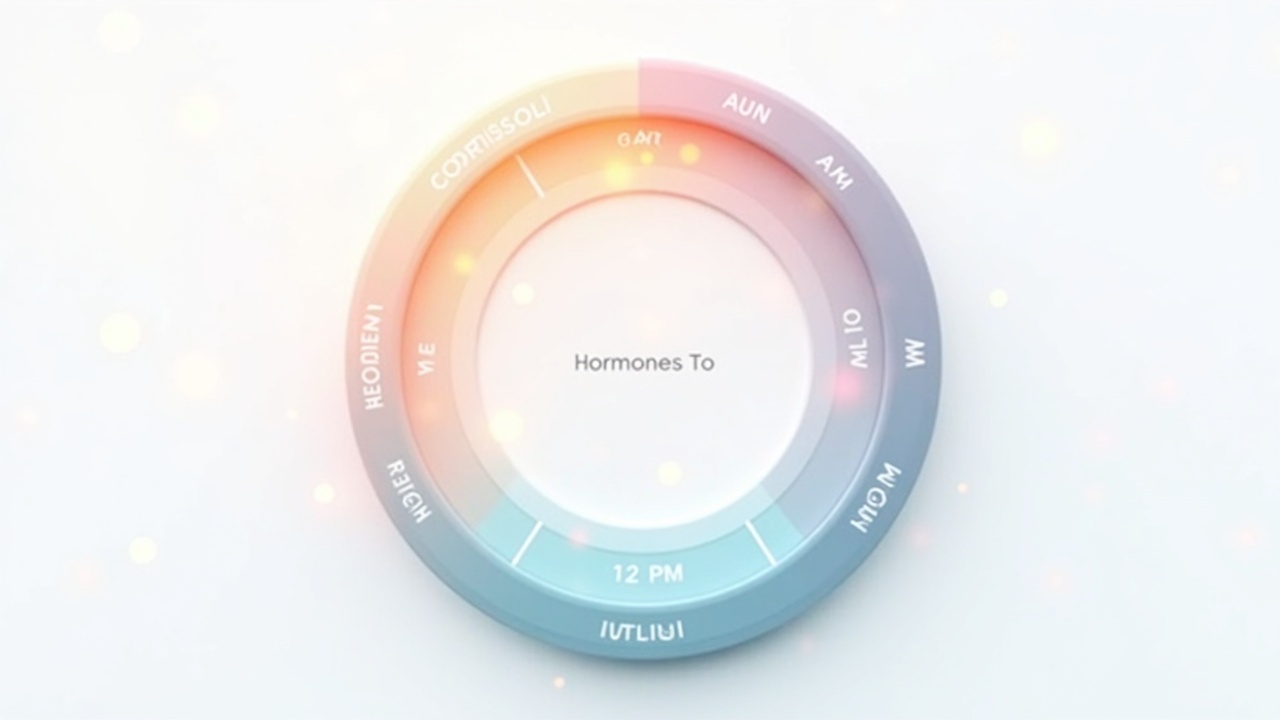
Your circadian rhythm is basically your body’s internal clock. It controls when you feel sleepy, when you wake up, and — this is the part most people miss — it also regulates a whole bunch of hormones like cortisol, melatonin, and growth hormone. When that clock gets thrown off, everything downstream gets scrambled too.
What Are Circadian Rhythm Hormones, Exactly?
Okay, so let me break this down the way I’d explain it to my students. Your body runs on a roughly 24-hour cycle, and during that cycle, hormones rise and fall at specific times. It’s not random — it’s a finely tuned system.
- Melatonin rises at night to signal sleep time.
- Cortisol peaks in the morning to wake you up and get you moving.
- Growth hormone surges during deep sleep to repair your body.
- Insulin sensitivity also fluctuates throughout the day based on your clock.
According to the National Institute of General Medical Sciences, disruptions to these rhythms have been linked to obesity, diabetes, depression, and even certain cancers. That’s not small stuff. When I learned this, I genuinely felt like someone had finally handed me the instruction manual for my own body.
Signs Your Circadian Hormones Are Out of Whack
Here’s the thing — most people don’t even realize their internal clock is broken. They just think they’re “bad sleepers” or “not morning people.” I said that for years. Spoiler: I was wrong.
- You feel exhausted in the morning but wide awake at night.
- You crave sugar and carbs at weird hours.
- Your mood crashes in the afternoon like clockwork.
- You get sick often because your immune system is running on fumes.
Sound familiar? Yeah. All of that is your hormonal rhythm waving a little red flag at you.
Advertisements
How to Actually Reset Your Circadian Rhythm Hormones
Alright, here’s where it gets good. Resetting your circadian rhythm isn’t magic — it just takes some consistency and a few smart habit changes. I’ve tried most of these myself, and the difference was honestly kind of shocking.
1. Get Morning Sunlight First Thing
This is the single most powerful tool I’ve found. Getting outside within 30 minutes of waking — even on a cloudy day — helps anchor your cortisol peak and suppresses leftover melatonin. Dr. Andrew Huberman’s research on light exposure explains this beautifully. Even just 10 minutes outside in the morning made me feel more alert by 9 AM. That alone was a win.
2. Keep a Consistent Wake Time
I know, I know — weekends feel sacred. But sleeping in two hours on Saturday basically gives you jet lag. Your body doesn’t know it’s the weekend. Keeping your wake time consistent, even by just ±30 minutes, stabilizes your cortisol rhythm faster than almost anything else.
3. Eat in Alignment With Your Clock
Time-restricted eating — also called chrono-nutrition — can dramatically support hormonal rebalancing. Research published in Cell Metabolism shows that eating within a consistent 8–10 hour window improves sleep quality, insulin sensitivity, and even mood. I personally shifted my meals to between 8 AM and 6 PM and noticed a real difference in how I slept within two weeks.
4. Limit Blue Light at Night
Blue light from screens suppresses melatonin production — sometimes for up to 3 hours after exposure. That’s a lot. I started using blue light glasses after 8 PM and switched my phone to night mode. Honestly felt like cheating the system a little. In a good way.
Small Steps, Big Hormonal Wins
Look, resetting your circadian rhythm hormones isn’t an overnight thing — pun fully intended. But the good news is, your body wants to get back into rhythm. It’s designed for it. Start with one or two changes, see how you feel, and build from there. What works brilliantly for me might need a little tweaking for you, and that’s totally okay.
Just remember — if you’re dealing with serious sleep disorders or hormonal imbalances, always loop in a healthcare professional before making big changes. This isn’t medical advice, it’s just one person sharing what helped them finally feel human again.
Want to keep digging into this stuff? There’s a whole world of gut health, sleep science, and hormonal wellness waiting for you over at Prime Guts — go check out the other posts and see what clicks for you.