Advertisements

Dirty Dozen Pesticides and Your Gut: What I Wish I Knew Sooner
Did you know that over 70% of non-organic fresh produce in the U.S. contains residues of potentially harmful pesticides? Yeah, that number hit me hard the first time I read it. I was standing in my kitchen, holding a beautiful, shiny apple — thinking I was making a healthy choice — and then I fell down a rabbit hole that completely changed how I shop for food.
If you’ve heard of the Dirty Dozen list, you already know it’s the Environmental Working Group’s annual rundown of the 12 fruits and vegetables most contaminated with pesticides. But here’s what doesn’t get talked about enough — what those pesticides are actually doing to your gut health. Spoiler: it’s not pretty.
What Is the Dirty Dozen, Exactly?
The EWG’s Shopper’s Guide to Pesticides in Produce is updated every year, and the usual suspects include strawberries, spinach, kale, peaches, apples, grapes, bell peppers, cherries, blueberries, green beans, pears, and celery. These are the foods most likely to carry multiple pesticide residues even after washing. And trust me, I used to think a good rinse was enough — it’s really not.
How Pesticides Mess With Your Gut Microbiome
Here’s where things get genuinely unsettling. Your gut is home to trillions of bacteria — the gut microbiome — and it plays a huge role in digestion, immunity, mood, and even brain health. Several pesticides commonly found on Dirty Dozen produce have been shown to disrupt the balance of these gut bacteria, a condition known as gut dysbiosis.
A study published in the journal Frontiers in Microbiology found that glyphosate — one of the most widely used herbicides — can inhibit the growth of beneficial gut bacteria like Lactobacillus and Bifidobacterium. These are literally the good guys your gut depends on. I remember reading this and thinking, “Well, that explains a lot about my bloating situation.”
Organophosphate pesticides, often found on apples and strawberries, are another big concern. They’ve been linked to increased intestinal permeability, or what people call “leaky gut.” When the gut lining gets compromised, undigested particles and toxins can slip into the bloodstream — and that triggers inflammation throughout the entire body.
Advertisements
My Personal Wake-Up Call
A few years back, I was eating what I thought was a super clean diet. Loads of spinach smoothies, fresh strawberries daily, celery in everything. But I kept feeling bloated, foggy, and just… off. It wasn’t until a nutritionist friend looked at my food diary and said, “Are you buying organic?” that I even connected the dots.
Switching to organic versions of the Dirty Dozen — even just those 12 items — made a noticeable difference within a few weeks. Less bloating, better digestion, more energy. Could’ve been coincidence? Maybe. But I wasn’t willing to go back and find out.
Practical Tips to Protect Your Gut
- Go organic on the Dirty Dozen: You don’t have to buy everything organic. Focus your budget on the highest-risk produce first.
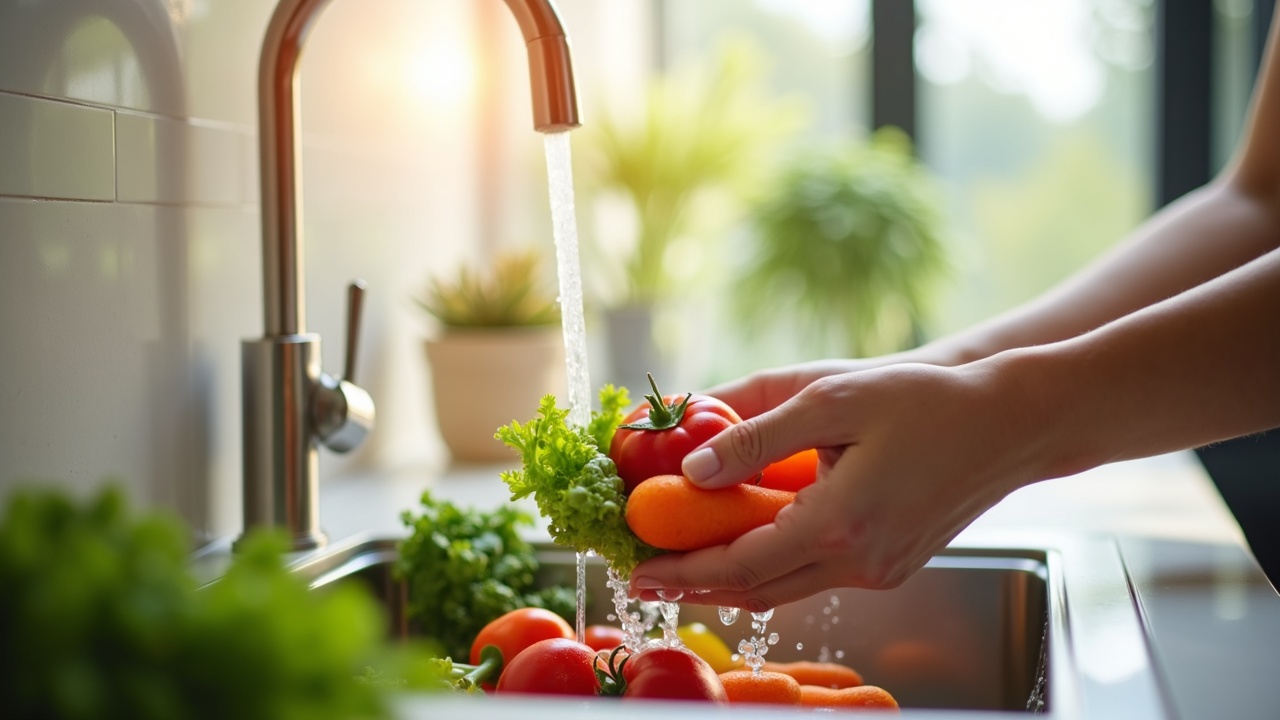
- Wash produce properly: Use a baking soda and water soak for at least 15 minutes — it’s been shown to remove more surface residues than plain water.
- Support your microbiome actively: Eat fermented foods like yogurt, kefir, and sauerkraut to help replenish beneficial bacteria.
- Check the Clean Fifteen: These are the safest non-organic options — avocados, onions, and pineapples are usually fine conventionally grown.
The Bigger Picture Worth Remembering
Look, nobody’s saying you need to panic every time you eat a grape. But being informed matters — especially when your gut health affects literally everything else in your body. Small, consistent choices add up over time, and swapping out a few items at the grocery store is one of the easiest wins you can make for your long-term health.
Your situation might be different from mine, so take this information and tailor it to your own lifestyle, budget, and health goals. And always, always check with a healthcare provider if you’re dealing with serious digestive issues — there’s no substitute for professional guidance.
If this got you thinking about what else might be quietly affecting your gut, there’s a lot more to explore. Head over to Prime Guts — we’ve got plenty more posts to help you understand and take care of your gut from the inside out.