Advertisements
Ginger Inflammation Forms: What I Wish I Knew Sooner
Did you know that ginger has been used as a natural anti-inflammatory remedy for over 2,500 years? That blew my mind when I first read it. I remember sitting at my kitchen table, dealing with some serious knee soreness after a weekend hike, desperately Googling anything that could help — and ginger kept popping up everywhere.
So I started digging deeper. Turns out, the different ginger inflammation forms you can use actually matter a lot. It’s not just about tossing a root into your tea and calling it a day. Each form works a little differently, and honestly, picking the wrong one wasted me a good few weeks of trial and error.
Why Ginger Works Against Inflammation
Before we get into the forms, let me give you a quick rundown on why ginger even works. The magic is in a compound called gingerol, which is the main bioactive compound in fresh ginger. It’s been shown to inhibit pro-inflammatory cytokines, which are basically the chemicals your body produces when it’s inflamed. According to Healthline, gingerol has powerful antioxidant and anti-inflammatory properties that are well-documented in scientific research.
When ginger is dried or cooked, gingerol transforms into another compound called shogaol, which is actually even more potent in some studies. Pretty wild, right? So the form you choose can literally change what compounds are hitting your system.
Fresh Ginger Root: The OG Option
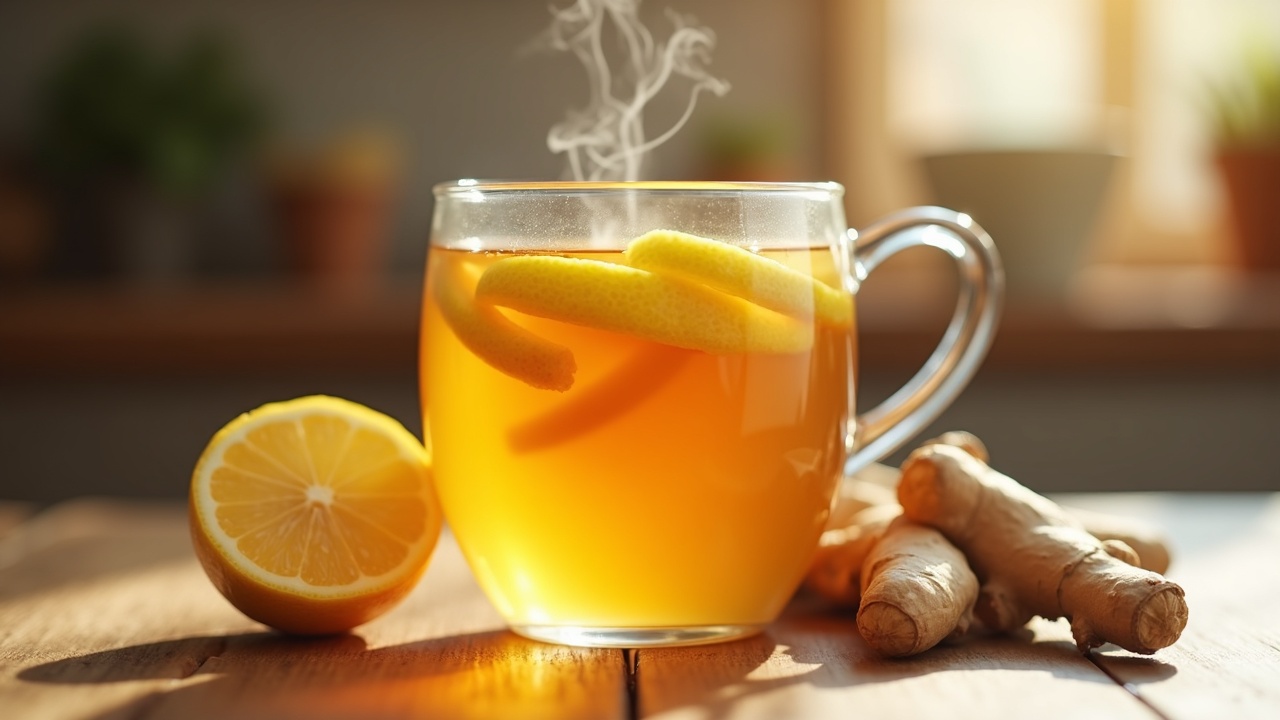
Fresh ginger root is probably the most well-known form, and honestly, it’s where I started. I used to peel and slice it into hot water every morning — kind of like a DIY anti-inflammatory tea. It smells amazing and feels super wholesome.
The downside? Fresh ginger is perishable, and I can’t tell you how many times I found a moldy, forgotten root hiding in the back of my fridge. But when used consistently, fresh ginger delivers a solid dose of gingerol directly. It’s great for cooking too — stir-fries, soups, and smoothies all benefit from it. You can check out some preparation tips from Medical News Today if you want to get started.
Advertisements
Ginger Powder: The Convenient Workhorse
Okay, so this is where things got interesting for me. Ginger powder — also called dried ground ginger — is what I switched to when life got too busy. It’s shelf-stable, easy to measure, and can be added to basically anything. Oatmeal, smoothies, soups — you name it.
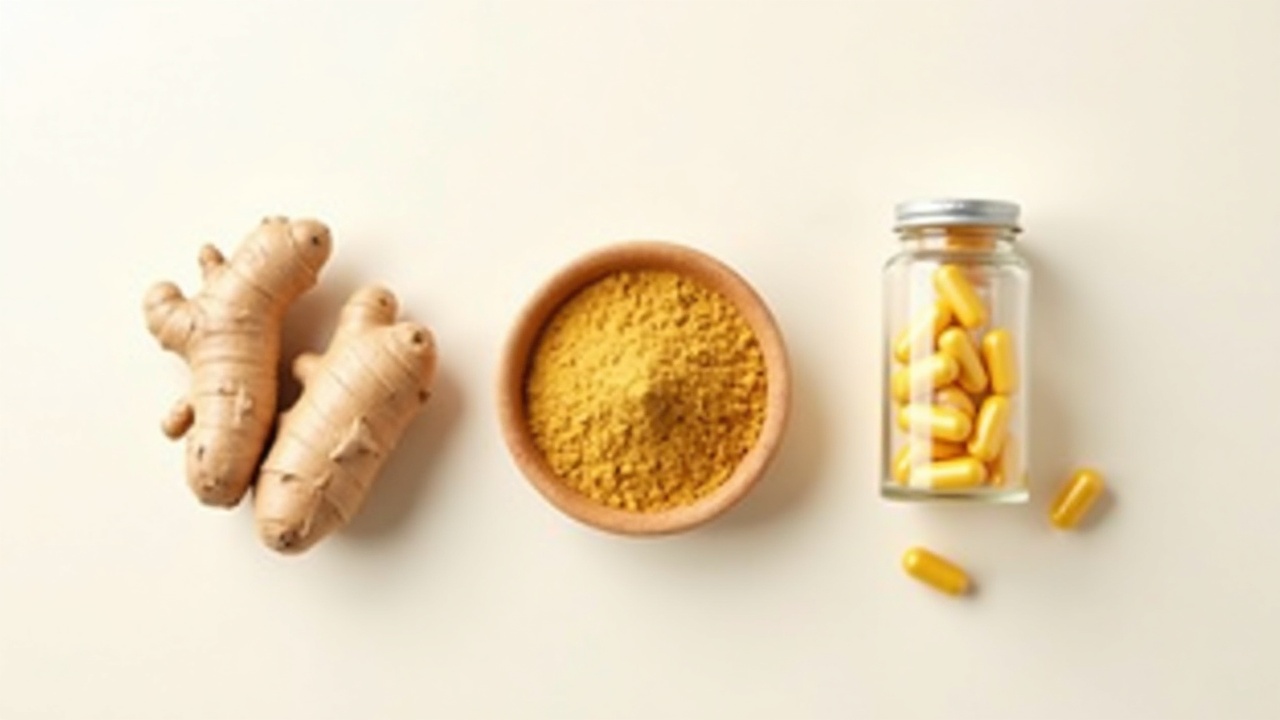
Because it’s dried, ginger powder contains more shogaol than fresh ginger, which some researchers believe is even more effective at reducing inflammation markers. A study referenced by the National Library of Medicine found that dried ginger showed strong anti-inflammatory activity. Just about half a teaspoon a day can make a noticeable difference over time.
Ginger Supplements and Capsules
Now, if you’re the kind of person who just wants a no-fuss option, ginger supplements might be your best bet. I tried these during a particularly rough patch with joint stiffness, and I noticed results faster than with other forms — probably because the dosage is more standardized.
Most capsules contain ginger extract, which is a concentrated version of the root. That means you’re getting a higher dose of active compounds per serving. However, not all supplements are created equal, so it’s worth looking for products that are third-party tested. The folks over at WebMD have a solid breakdown of dosage recommendations and safety considerations worth checking out.
Ginger Tea and Tinctures
Ginger tea is honestly one of my favorite forms — both for the ritual and the relief. Pre-made ginger teas vary a lot in potency though. Some are barely flavored water, and others pack a real punch. Look for teas that list ginger as the first ingredient, not a blend filler.
Tinctures are a bit more niche, but they’re gaining popularity. These are liquid ginger extracts, usually alcohol-based, and they absorb into your system pretty quickly. I tried one last winter during a flare-up of lower back tightness, and it felt like it worked faster than the capsules I had been taking. A few drops under the tongue or mixed into a drink — simple enough.
So, What’s the Best Ginger Form for Inflammation?
- Fresh ginger root — Best for cooking and daily teas; rich in gingerol
- Ginger powder — Convenient and shelf-stable; higher in shogaol
- Ginger capsules/supplements — Standardized dosing; great for targeted relief
- Ginger tea — Easy and soothing; great for daily habits
- Ginger tinctures — Fast absorption; ideal for acute flare-ups
Your Ginger Journey Starts Here
Look, there’s no single “best” ginger inflammation form — it honestly depends on your lifestyle, your preferences, and what your body responds to. I’ve cycled through all of them at different points, and each one served its purpose. The key is consistency, not perfection.
Just a gentle reminder: if you have a medical condition, are pregnant, or take blood thinners, please talk to your doctor before loading up on ginger in any form. It’s natural, yes — but that doesn’t mean it’s without considerations. Always listen to your body first.
Feeling curious about more natural wellness tips like this? Head over to Prime Guts and explore other posts that break down gut health, nutrition, and anti-inflammatory living in a way that actually makes sense. You might just find your next favorite health hack.