
Advertisements
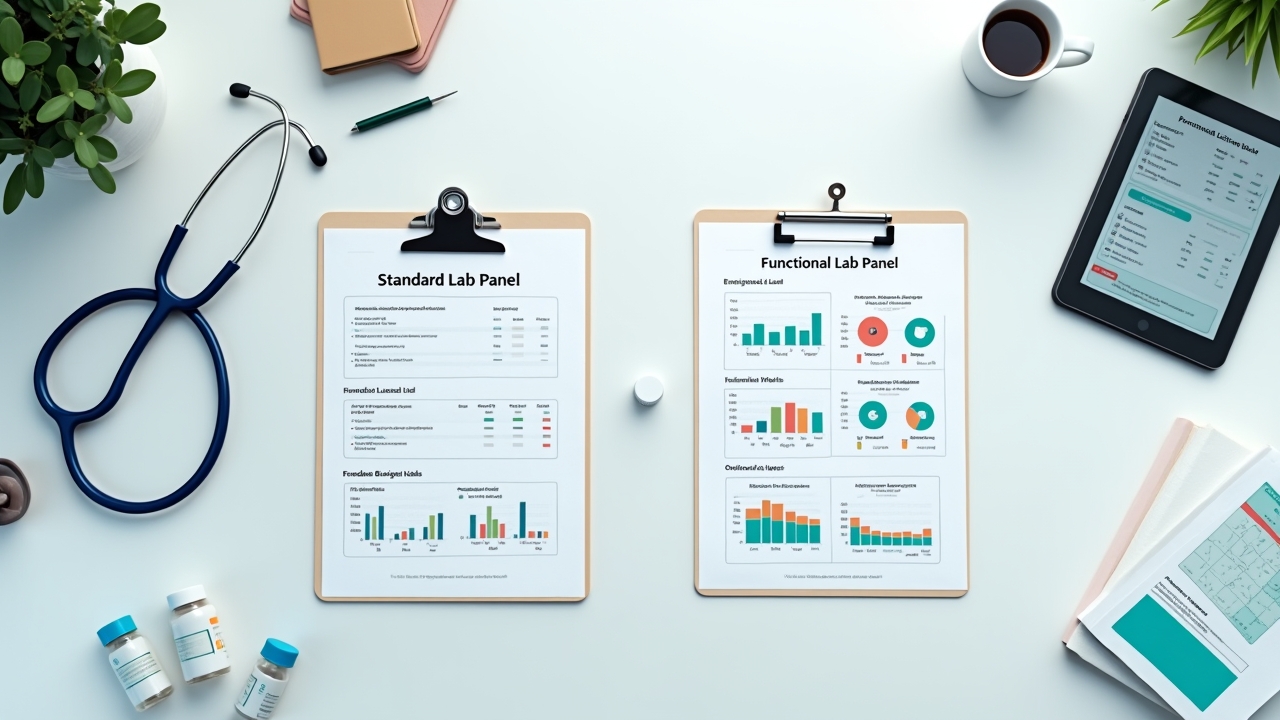
Did you know that nearly 75% of people walking into a doctor’s office with vague symptoms like fatigue, bloating, or brain fog leave without a clear answer? I was one of those people. For years, I kept getting told my bloodwork looked “normal” — but I felt anything but. That’s when I stumbled into the world of functional lab tests for nutrition, and honestly? It changed everything for me.
What Are Functional Lab Tests, Anyway?
Okay, so let me break this down in plain English. Functional lab testing is a more in-depth, root-cause approach to analyzing how your body is actually functioning — not just whether you fall within a “standard” reference range. Think of it like the difference between a car mechanic who just checks if your engine turns on versus one who runs a full diagnostic on every system. Standard blood panels are useful, sure. But functional nutrition testing digs deeper into things like nutrient deficiencies, gut health, hormonal imbalances, and metabolic function.
For a solid overview of how this works, the Institute for Functional Medicine does a great job explaining the philosophy behind it all.
The Tests That Actually Made a Difference for Me
When I first worked with a functional nutritionist, she recommended a few specific tests I’d never even heard of. I remember staring at the lab order form like it was written in another language. But once the results came in — wow. The clarity was almost overwhelming.
Here are some of the most commonly used functional nutrition lab tests that might be worth exploring:
- Micronutrient Testing – This checks for deficiencies in vitamins, minerals, and antioxidants at the cellular level. I was low in magnesium and B12 — two things my regular doctor never caught. SpectraCell is one well-known option for this.
- Comprehensive Stool Analysis – Yeah, I know. Nobody loves talking about poop. But this test reveals so much about your gut microbiome, digestive enzyme activity, and the presence of pathogens or inflammation markers.
- Organic Acids Test (OAT) – This urine-based test gives insight into metabolic function, mitochondrial health, and even neurotransmitter balance. It’s honestly kind of wild how much info comes from a little cup of pee.
- DUTCH Hormone Test – If you’re dealing with hormonal chaos — irregular cycles, mood swings, sleep issues — this dried urine test is a game-changer for mapping cortisol patterns and sex hormones.
- Food Sensitivity Testing – Not to be confused with a food allergy test. This looks at delayed immune reactions (IgG responses) to common foods. I found out oats were wrecking my gut. Oats! The healthy food I’d been eating every single morning.
Why Standard Tests Sometimes Fall Short
Here’s the thing — conventional lab ranges are built around population averages, not optimal health. So technically, you could have a thyroid level that’s “within range” but still be symptomatic. Functional practitioners tend to use narrower, more optimal reference ranges. That distinction? It’s huge. It took me three years of feeling exhausted before someone finally looked at my ferritin levels through a functional lens and realized they were way too low for someone my age and activity level.
Advertisements
Additionally, nutritional biochemistry is complex. Nutrients don’t work in isolation — they interact, compete, and depend on each other. A good functional lab panel takes that into account. The Linus Pauling Institute at Oregon State University has excellent research on micronutrient interactions if you want to geek out on this stuff.
A Few Practical Tips Before You Jump In
Before you go ordering a bunch of tests online, slow down. Not all functional labs are created equal, and interpreting results without a qualified practitioner can lead you down some weird rabbit holes — trust me, I’ve been there. Here’s what I’d recommend:
- Work with a certified functional nutritionist or integrative medicine doctor who can guide test selection based on your specific symptoms.
- Don’t test everything at once. It gets expensive fast, and information overload is real.
- Keep a symptom journal before your appointment — patterns matter more than you think.
- Retest after making dietary or lifestyle changes. Labs are just a snapshot in time.
Your Body Has Been Trying to Tell You Something
Functional lab tests for nutrition aren’t magic — but they can be the missing piece that finally makes your health picture make sense. Everyone’s biochemistry is different, and what works for your neighbor might not work for you. That’s the whole point. Use these tools as a starting place, not a final verdict, and always work alongside a trusted healthcare professional who respects your individual needs and goals.
If this resonated with you and you want to keep learning about gut health, nutrition science, and practical wellness strategies, head over to Prime Guts — there’s a whole library of posts waiting for you there. You might just find the next piece of your puzzle.