Advertisements
Can Cinnamon Really Help Control Blood Sugar? Here’s What I Found Out
Did you know that over 422 million people worldwide are living with diabetes? That number honestly blew my mind when I first read it. And what’s even wilder is that a simple spice sitting in most of our kitchen cabinets might actually help manage blood sugar levels — we’re talking about cinnamon.
I’ll be honest. When my doctor first mentioned watching my glucose levels a couple years back, I panicked a little. I started researching everything — diets, supplements, lifestyle changes. Then I stumbled onto cinnamon blood sugar control studies, and I thought, “No way. This can’t be real.” But the more I dug in, the more surprised I was.
What Does Cinnamon Actually Do to Blood Sugar?
So here’s the science-y part, but don’t worry — I’ll keep it simple. Cinnamon contains active compounds, especially one called cinnamaldehyde, that appear to mimic insulin and improve insulin sensitivity. Basically, it helps your cells respond better to insulin so glucose doesn’t just hang around in your bloodstream causing trouble.
According to a study published in the Annals of Family Medicine, cinnamon supplementation was shown to significantly reduce fasting blood glucose levels. That’s not nothing. It also seemed to lower LDL cholesterol and triglycerides in some participants — bonus points for that!
Ceylon vs. Cassia: The Cinnamon Drama Nobody Talks About
Okay, this is where I made a rookie mistake. Not all cinnamon is created equal, and I wish someone had told me that sooner. There are two main types you’ll find at the store: Ceylon cinnamon (sometimes called “true cinnamon”) and Cassia cinnamon (the common stuff in most spice aisles).
Cassia cinnamon contains high levels of a compound called coumarin, which can be hard on your liver if you’re taking it in large amounts every day. Ceylon, on the other hand, has way less coumarin and is generally considered safer for regular use. I switched to Ceylon after reading about this, and honestly, it also tastes a bit milder and sweeter — which I actually prefer now.
Advertisements
You can learn more about the differences between these two types over at Healthline. It’s a solid breakdown if you want the details.
How to Actually Use Cinnamon for Blood Sugar Support
This is the part people always ask me about. Like, do you just sniff it? Sprinkle it on your toast? Here are a few practical ways I’ve personally tried:
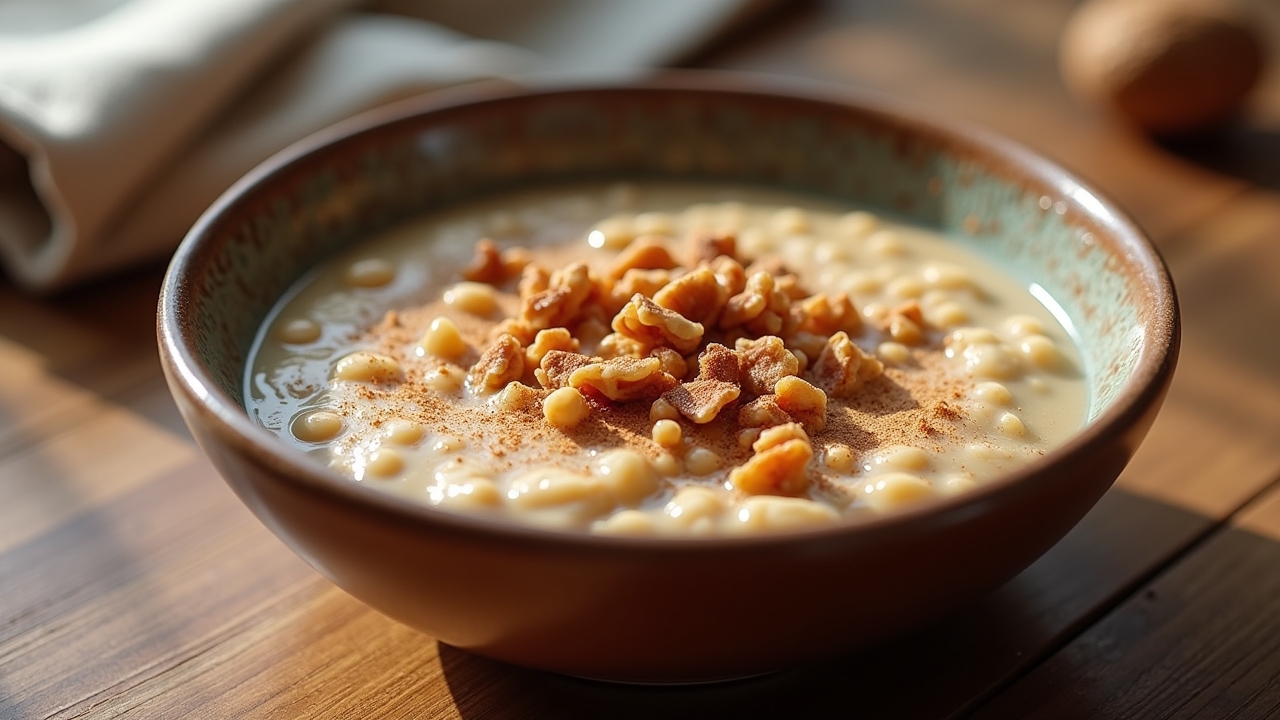
- Add it to your morning oatmeal or yogurt — easy, tasty, no excuses.
- Mix it into your coffee or tea — I do half a teaspoon in my morning coffee and honestly it’s become my favorite thing.
- Try cinnamon supplements — these are usually standardized doses (around 1–6 grams per day), which makes tracking intake easier.
- Stir it into smoothies — you won’t even taste it, but your blood sugar might thank you later.
Most research suggests that somewhere between 1 to 6 grams of cinnamon daily is where you start seeing potential benefits for glycemic control. That’s roughly half a teaspoon to about two teaspoons. Don’t go overboard thinking more is better — that’s not how this works, trust me.
Does It Work for Everyone? Let’s Be Real
Here’s where I want to pump the brakes a little, because I think it’s important to be straight with you. Cinnamon is not a cure for diabetes or insulin resistance. It’s more like a helpful addition to an already healthy lifestyle. Some studies show clear benefits, others are less convincing — and that inconsistency is worth acknowledging.
The American Diabetes Association doesn’t officially recommend cinnamon as a treatment, but they do emphasize the importance of diet and lifestyle — and cinnamon can fit into that picture. Think of it as a supporting character, not the main hero.
The Bottom Line — And What You Should Do Next
Look, if you’re already eating well, staying active, and working with your doctor on blood sugar management, adding a little cinnamon to your routine is a low-risk, potentially high-reward move. Just choose Ceylon when possible, keep your daily intake reasonable, and don’t ditch your actual treatment plan for a spice jar.
Everybody’s body is different, so what works amazingly for one person might barely budge the needle for another. That’s just how it goes. But it’s worth exploring — carefully and with your healthcare provider’s input.
If you found this helpful, there’s a whole lot more where that came from. Head over to Prime Guts and check out our other posts on gut health, nutrition, and living your best life from the inside out. We’ve got you covered!