
Advertisements
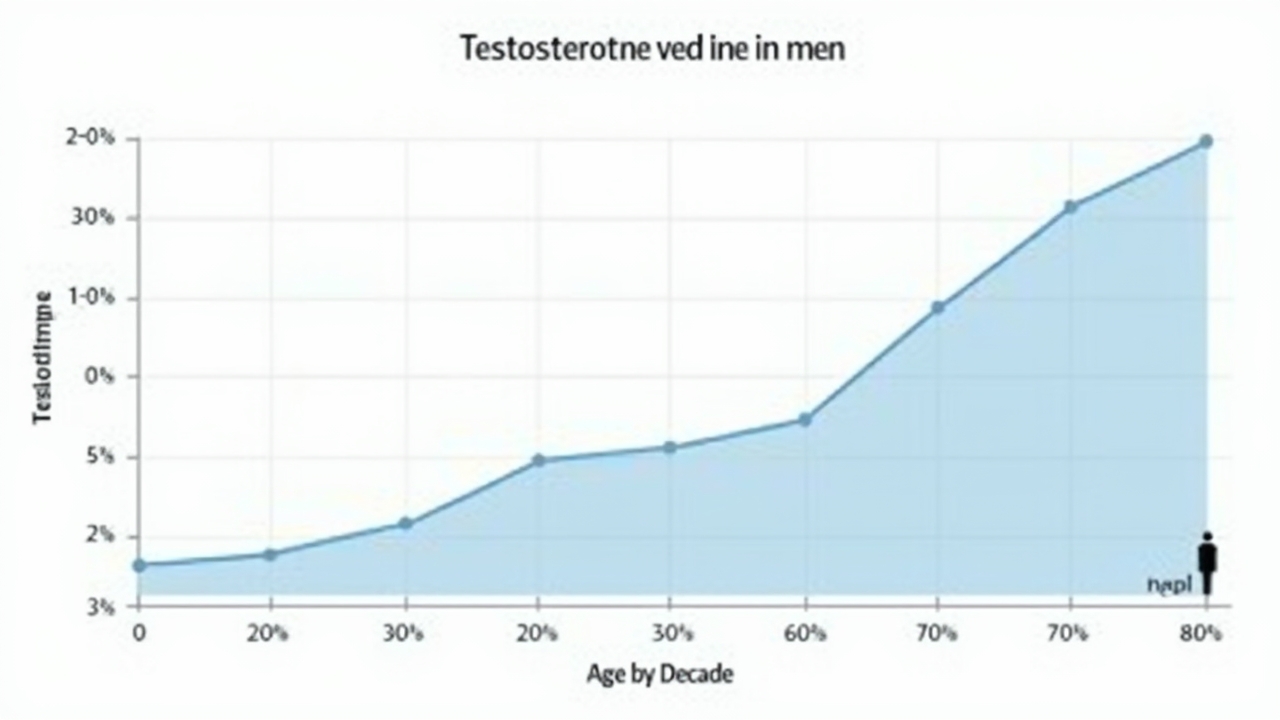
Did you know that testosterone levels in men drop about 1% every year after age 30? Yeah, I didn’t believe it either — until I started feeling it myself. Fatigue that hit me like a wall at 2pm, mood swings I couldn’t explain, and a motivation level that was basically at zero. Turns out, I wasn’t just “getting older.” I was dealing with andropause, also called male hormone decline, and it’s way more common than most guys want to admit.
So… What Even Is Andropause?
Andropause is basically the male version of menopause — but sneakier. While women go through a relatively quick hormonal shift, men experience a slow, gradual decline in testosterone and other hormones like DHEA and growth hormone. It doesn’t hit you all at once. It creeps up on you, which honestly makes it harder to recognize.
According to the Mayo Clinic, this hormonal shift can start as early as your late 30s or early 40s. And nope, it’s not just about sex drive — though that’s definitely part of it. We’re talking about energy, mood, muscle mass, bone density, and even mental clarity. All of it gets affected.
Symptoms I Personally Ignored (Big Mistake)
I remember brushing off the signs for almost two years. I chalked up my constant tiredness to work stress and my irritability to, well, life. But looking back, the signs of male hormone decline were all there, staring me in the face.
Here are some of the most common symptoms of andropause:
- Persistent fatigue and low energy levels
- Decreased libido and sexual function
- Mood changes, irritability, or mild depression
- Loss of muscle mass and increased body fat
- Brain fog and difficulty concentrating
- Sleep disturbances or insomnia
- Reduced motivation and confidence
Sound familiar? Yeah, I thought so. The tricky part is that each of these symptoms on its own seems totally explainable. But together? They paint a pretty clear picture of testosterone deficiency in men.
Advertisements
What’s Actually Happening Inside Your Body
Here’s the science — but I’ll keep it simple, I promise. Your hypothalamus and pituitary gland basically run the show when it comes to hormone regulation. As you age, they start sending weaker signals to your testes to produce testosterone. Less testosterone means your body starts struggling with everything from muscle repair to mood regulation.
On top of that, a protein called sex hormone-binding globulin (SHBG) increases with age, which binds to testosterone and makes it less available for your body to actually use. So even if your total testosterone looks “normal” on a blood test, your free testosterone — the stuff that actually does the work — could be low. I learned this the hard way after my first set of bloodwork came back “fine” and my doctor told me I was okay. Spoiler: I was not okay.
The Endocrine Society has solid resources on this if you want to dig into the clinical side of things.
What You Can Actually Do About It
Okay, here’s the part I wish someone had told me earlier. There are real, practical things you can do — some lifestyle-based, some medical. And no, you don’t have to jump straight to testosterone replacement therapy (TRT), though that’s a valid option for some guys.
- Strength training: Lifting weights naturally boosts testosterone. Even 3 sessions a week made a noticeable difference for me within a few months.
- Sleep optimization: Most testosterone is produced during deep sleep. Cutting sleep short is basically cutting your hormone production short.
- Nutrition: Zinc, magnesium, and vitamin D are key players in testosterone production. Foods like eggs, nuts, and fatty fish are your best friends here.
- Stress management: Cortisol — the stress hormone — directly suppresses testosterone. Meditation, walks, whatever works for you, just do it.
- Talk to a doctor: Seriously. Get your hormone levels checked. A full panel, not just total testosterone. WebMD has a good explainer on what those numbers actually mean.
You’re Not Alone — And This Doesn’t Define You
Here’s what I really want you to take away from all this. Andropause and male hormone decline are real, they’re common, and they’re manageable. Ignoring them doesn’t make them go away — trust me, I tried that approach and it cost me two years of feeling like garbage.
Every man’s hormonal journey is different, so what works for your buddy might not be your answer. Customize your approach, talk to your healthcare provider, and please don’t self-medicate with stuff you find online without proper guidance. Your health isn’t worth the shortcut.
If this resonated with you, there’s a lot more where this came from. Head over to Prime Guts and check out our other posts — we cover everything from men’s health to nutrition and performance, all written by guys who’ve been through it. You’re not in this alone.