
Advertisements
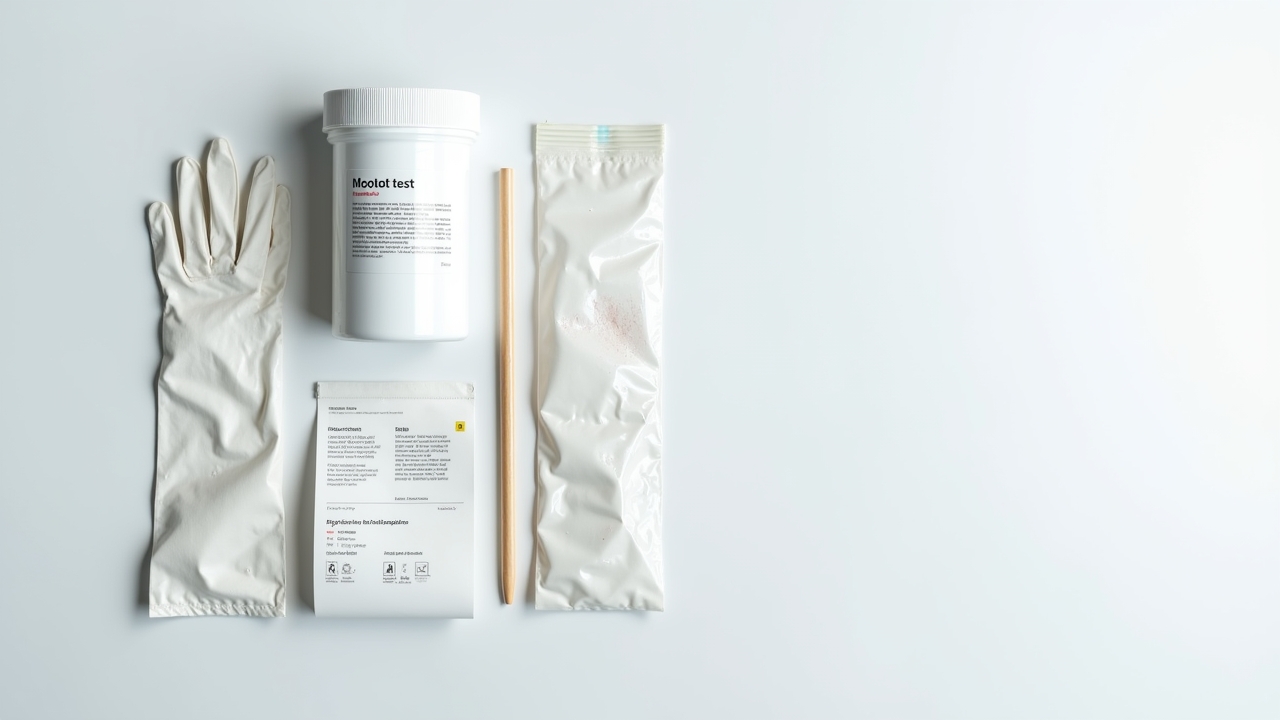
Did you know that over 3.5 billion people worldwide are affected by parasitic infections? Yeah, that number hit me like a truck when I first read it. I used to think parasites were something you only had to worry about if you were hiking through a jungle somewhere — boy, was I wrong!
What Are Gut Parasites, Exactly?
Gut parasites are tiny organisms that live inside your digestive tract and feed off your body. We’re talking about things like Giardia, Blastocystis hominis, tapeworms, and roundworms. Some of them are microscopic, and honestly, that’s what makes them so sneaky — you can’t see them, but your gut sure feels them.
I remember a student of mine — well, a friend’s kid actually — who kept complaining about stomach cramps for months. Doctors kept brushing it off as “stress.” Turns out? Parasites. So yeah, this stuff is real and more common than most people think.
Common Parasites Gut Health Symptoms You Shouldn’t Ignore
So here’s the thing: parasites gut health symptoms can look a lot like other digestive issues, which is why they’re so often missed. That’s frustrating, I know. But let’s break down what to actually look for.
- Chronic bloating and gas — If your belly feels like a balloon after every meal, that’s a red flag.
- Diarrhea or loose stools — Especially if it comes and goes without any obvious food-related reason.
- Unexplained fatigue — Parasites literally steal your nutrients. No wonder you’re exhausted!
- Stomach cramps or abdominal pain — This one is big. Persistent cramping that doesn’t go away is worth investigating.
- Nausea — Feeling queasy randomly? That might not just be anxiety.
- Unexplained weight loss — Your body isn’t absorbing nutrients properly when parasites are involved.
- Itching around the rectum — Embarrassing but important. This is a classic sign of pinworm infection.
- Brain fog and mood changes — The gut-brain connection is real, and parasites can mess with your mental clarity too.
According to the CDC, many parasitic infections go undiagnosed simply because the symptoms overlap with so many other conditions. That’s exactly why being informed matters so much.
How Do You Actually Get Gut Parasites?
Honestly, it’s easier than you’d think. I picked up a mild Giardia infection years ago from a camping trip — I thought I was being careful with water, but apparently not careful enough. Contaminated water and food are the most common culprits.
Advertisements
Other ways parasites can get into your system include:
- Eating undercooked meat (especially pork and beef)
- Contact with infected soil — even just gardening without gloves
- Traveling to regions with poor sanitation
- Contact with infected animals or their feces
- Poor hand hygiene (wash your hands, seriously!)
The World Health Organization notes that soil-transmitted helminth infections alone affect hundreds of millions of people globally. We’re not talking about a niche problem here.
What Can You Do About It?
First things first — don’t panic. If you suspect parasites, the smartest move is to see a doctor and get a comprehensive stool test done. I know, not the most glamorous conversation to have, but it’s necessary. A proper diagnosis is everything here.
That said, there are some natural gut health strategies that can support your digestive system in the meantime. Things like:
- Increasing fiber intake to help move things through your gut
- Eating probiotic-rich foods like yogurt, kefir, and sauerkraut
- Staying well-hydrated
- Avoiding sugar, which parasites tend to thrive on
- Looking into antiparasitic foods like garlic, pumpkin seeds, and papaya
Always — and I mean always — consult a healthcare professional before starting any treatment. Self-diagnosing and self-medicating can do more harm than good, especially when it comes to something as serious as intestinal parasites.
Your Gut Is Trying to Tell You Something
Look, I’ve been down the road of ignoring weird symptoms and chalking everything up to “bad eating habits.” It took me way too long to start really listening to what my body was saying. The truth is, your gut is one of the most important systems in your body, and parasites can throw the whole thing off balance in ways that affect your energy, mood, and overall wellbeing.
If something feels off — trust that instinct. Get checked. Ask questions. And most importantly, take your gut health seriously before it becomes a bigger issue. Everyone’s body is different, so what works for one person might not work for another, so please tailor any advice you find to your own situation and always loop in a medical professional.
Want to keep learning about how to take care of your digestive health? Head over to Prime Guts — there’s a ton of great content there to help you on your gut health journey. You won’t regret it!