Advertisements
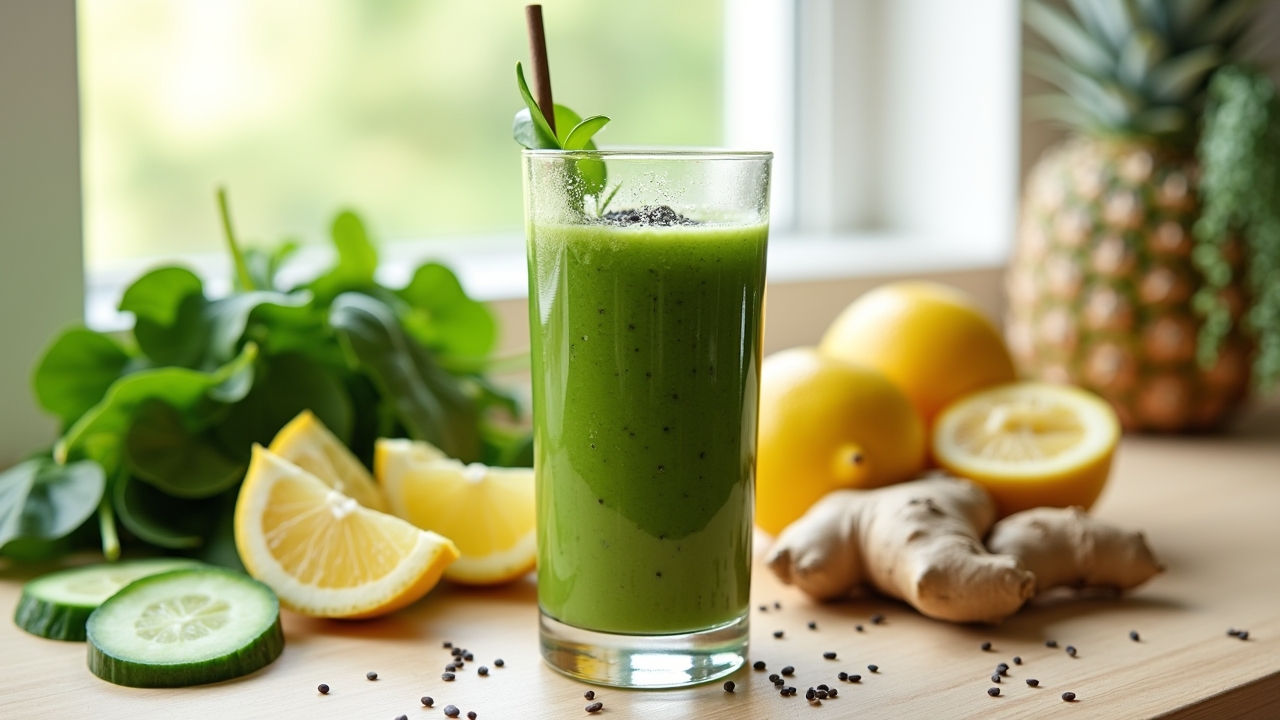
Did you know that chronic inflammation is linked to over 50% of all deaths worldwide? Yeah, that hit me hard too when I first read it. I started looking into anti-inflammatory foods a few years back when my joints were constantly aching after workouts, and honestly, smoothies became my sneaky little weapon against it all!
What Makes a Smoothie Anti-Inflammatory?
Not all smoothies are created equal. Some store-bought versions are basically milkshakes in disguise — loaded with sugar and zero real benefits. An anti-inflammatory smoothie is built around ingredients that help reduce oxidative stress and calm inflammation in the body, like turmeric, ginger, leafy greens, and berries.
I learned this the hard way. My first attempt involved just banana and orange juice — tasted great, did nothing. Once I started adding things like turmeric and its active compound curcumin, the difference was real.
The Best Ingredients to Fight Inflammation
Before jumping into recipes, let me walk you through the MVPs of any anti-inflammatory smoothie. These are the ingredients I always keep stocked in my kitchen — no excuses.
- Turmeric: Contains curcumin, one of the most powerful natural anti-inflammatory compounds out there.
- Ginger: A natural pain reliever that also helps with digestion. Double win.
- Blueberries: Packed with antioxidants and polyphenols that fight free radicals.
- Spinach or kale: Rich in vitamins C and K, which help regulate inflammatory responses.
- Chia seeds: Loaded with omega-3 fatty acids, which are known to reduce systemic inflammation.
- Pineapple: Contains bromelain, an enzyme with strong anti-inflammatory properties.
My Go-To Anti-Inflammatory Smoothie Recipes
Alright, here’s where it gets fun. These are recipes I’ve actually made — some brilliant, some disasters (RIP the beet-and-kale catastrophe of 2021). Let’s stick to the winners.
Golden Glow Turmeric Smoothie
This one’s my morning staple. It tastes warm, slightly spicy, and actually feels like it’s doing something good. Plus, it looks gorgeous — that golden color never gets old.
Advertisements
- 1 cup coconut milk
- 1 frozen banana
- 1 tsp turmeric powder
- ½ tsp ginger (fresh or powdered)
- A pinch of black pepper (this boosts curcumin absorption by up to 2000%)
- 1 tbsp chia seeds
Blend it all up until smooth. The black pepper thing is not optional — I skipped it for months before I knew better, and that was a mistake worth mentioning.
Berry Blast Anti-Inflammatory Smoothie
This is the one I make when I need something refreshing and fast. It’s sweet, fruity, and sneaks in a solid anti-inflammatory punch. My kids drink this without even knowing what’s in it — parent win!
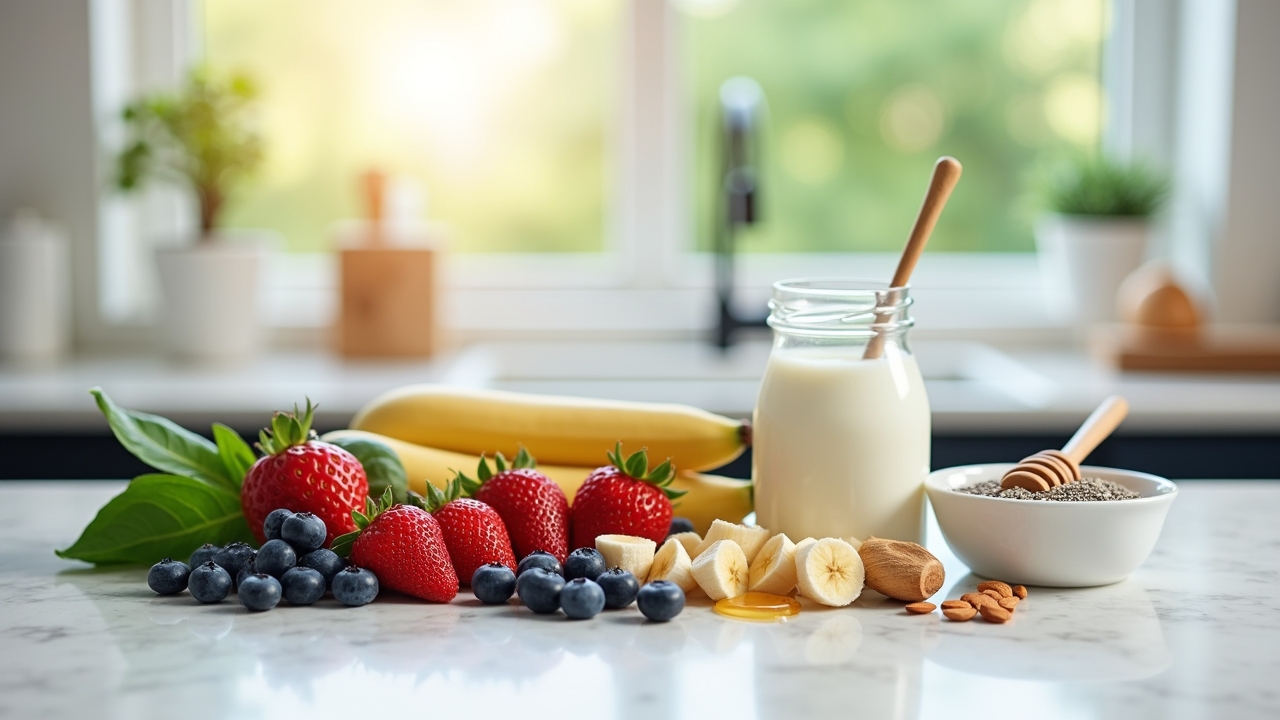
- 1 cup frozen mixed berries (blueberries, strawberries, raspberries)
- ½ cup spinach
- 1 cup almond milk
- 1 tbsp flaxseeds
- ½ tsp cinnamon
Blend until creamy. The spinach completely disappears flavor-wise, I promise. Cinnamon also has its own impressive anti-inflammatory properties that most people overlook.
Tropical Pineapple Ginger Smoothie
Summer in a glass. Seriously. This one helped me a lot during a period when my knees were inflamed from running too much — the bromelain in pineapple is no joke.
- 1 cup frozen pineapple chunks
- ½ banana
- 1 tsp fresh ginger
- 1 cup coconut water
- Juice of half a lime
Blend and enjoy immediately. Coconut water adds electrolytes, which helps with post-workout recovery too — so this one is great after the gym.
Tips to Get the Most Out of Your Smoothies
- Always add a healthy fat (avocado, nut butter, chia seeds) to help absorb fat-soluble nutrients.
- Use frozen fruit instead of ice for a creamier texture and more nutrients.
- Rotate your greens weekly — your gut microbiome appreciates the variety.
- Don’t overload on fruit sugars. Keep it balanced with protein and fiber.
Blend Your Way to Feeling Better
Look, I’m not saying smoothies are magic. But when you’re consistent, the results are real — less joint pain, better energy, clearer skin. It all adds up. Start with one recipe, tweak it to your taste, and make it yours.
Just please talk to your doctor if you have a serious condition before going all-in on turmeric supplements or making major dietary changes. Whole foods in smoothies are generally safe, but everyone’s body is different, and that matters.
If this got you curious about eating better and living healthier, there’s a whole world of info waiting for you. Head over to Prime Guts and explore more posts — your gut (and the rest of you) will thank you for it!