Advertisements
Did you know that estrogen plays a huge role in where your body decides to store fat? I know, right? I had no idea either until I started noticing changes in my own body that just didn’t make sense to me. No matter how clean I was eating or how often I hit the gym, that stubborn fat around my hips and thighs just wouldn’t budge. Turns out, estrogen body fat storage is a very real thing — and understanding it changed everything for me.
What Is Estrogen and Why Does It Matter for Fat Storage?
Estrogen is a hormone. Most people associate it with women, but men have it too — just in smaller amounts. It’s produced mainly in the ovaries, adrenal glands, and even in fat tissue itself. According to the Endocrine Society, estrogen influences everything from bone density to mood to — you guessed it — how and where your body stores fat.
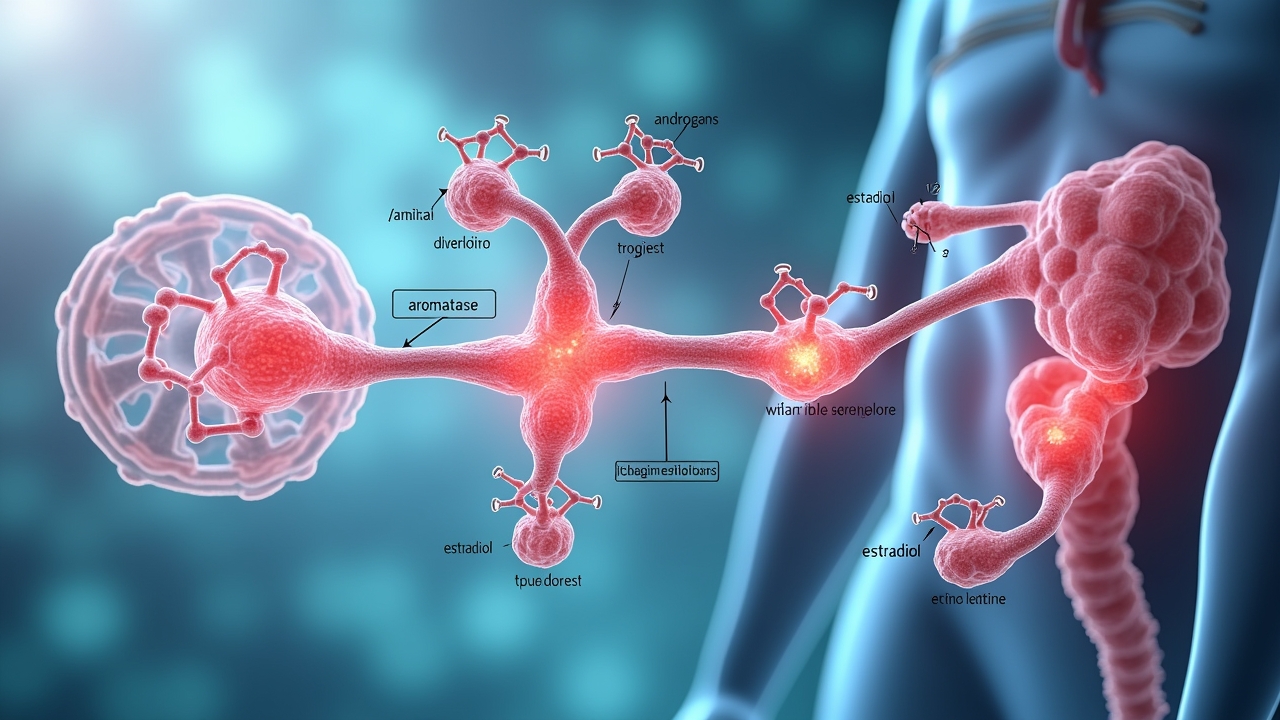
Here’s the thing. Estrogen doesn’t just float around doing nothing. It actively communicates with fat cells and tells them where to set up camp. In women with healthy estrogen levels, fat tends to be stored in the hips, thighs, and buttocks — what doctors call “peripheral fat.” That’s actually considered more metabolically safe than belly fat. So in a weird way, normal estrogen levels are kind of protecting you.
What Happens When Estrogen Levels Drop?
This is where things got real for me. When I hit my late 30s, I started gaining weight around my midsection. Nothing extreme, but enough to make me go, “Wait… what is happening?” After some digging and a visit to my doctor, I learned my estrogen levels were declining. And apparently, that’s a game changer for fat distribution.
When estrogen drops — like during perimenopause or menopause — fat storage shifts from the hips and thighs to the abdomen. This visceral fat, as it’s called, is the dangerous kind. It wraps around your organs and has been linked to increased risks of heart disease, type 2 diabetes, and inflammation. The National Institutes of Health has published research confirming this shift in fat distribution during hormonal changes.
And honestly? That was a wake-up call for me. I stopped blaming my diet and started looking at the bigger hormonal picture.
Advertisements
The Role of Estrogen Dominance in Fat Gain
Now flip the script. What if you have TOO much estrogen? That’s called estrogen dominance, and it’s also a problem. Too much estrogen — relative to progesterone — can cause bloating, weight gain, and yep, more fat storage. It’s a frustrating cycle because the more fat you gain, the more estrogen your fat cells produce. Then that extra estrogen causes more fat storage. Classic chicken-and-egg situation.
Some common causes of estrogen dominance include:
- Exposure to environmental estrogens (xenoestrogens) found in plastics and pesticides
- Poor liver function, which affects estrogen metabolism
- High stress levels that lower progesterone
- A diet high in processed foods and low in fiber
The good news? A lot of this is manageable with the right lifestyle changes. And no, I’m not talking about a magic detox tea. I’m talking about real, sustainable stuff.
Practical Tips to Support Healthy Estrogen Balance
So what actually helped me? Here’s what I’ve learned — through trial, error, and a few embarrassing detours into fad diets that absolutely did not work.
- Eat more cruciferous vegetables. Broccoli, cauliflower, and Brussels sprouts contain a compound called DIM (diindolylmethane) that helps your body metabolize estrogen more efficiently. I started adding broccoli to almost every dinner and noticed a difference within weeks.
- Prioritize fiber. Fiber helps your gut eliminate excess estrogen through digestion. Aim for 25–35 grams a day. Think beans, lentils, oats, and veggies.
- Reduce alcohol intake. Alcohol impairs liver function, and the liver is responsible for breaking down estrogen. Even cutting back to a few drinks a week made a difference for me personally.
- Manage stress. Chronic stress tanks your progesterone, which creates an imbalance with estrogen. Yoga, walking, even journaling — find what works for you.
- Talk to your doctor. Seriously. Get your hormones tested. A simple blood panel can reveal a lot. The Mayo Clinic explains exactly what to expect from an estrogen test.
It’s Not Just a “Women’s Issue”
I want to be clear here — men deal with estrogen imbalances too. As men age, testosterone levels drop and estrogen can rise. This contributes to that dreaded “beer belly” look and can also affect mood, libido, and energy. So if you’re a guy reading this thinking it doesn’t apply to you — think again, friend.
Your Hormones, Your Rules
Understanding estrogen body fat storage isn’t about obsessing over your body. It’s about working with your biology, not against it. Everyone’s hormonal makeup is different, so what works for me might need some tweaking for you. The key is to stay curious, ask questions, and never stop learning about your own body. And please — always loop in a healthcare professional before making major changes to your diet or lifestyle. Your health is worth doing right.
If this got you thinking about how hormones affect your overall health, there’s so much more to explore. Head over to Prime Guts and check out our other posts — we cover everything from gut health to fitness to nutrition in a way that actually makes sense for real life. You won’t regret it!