
Advertisements
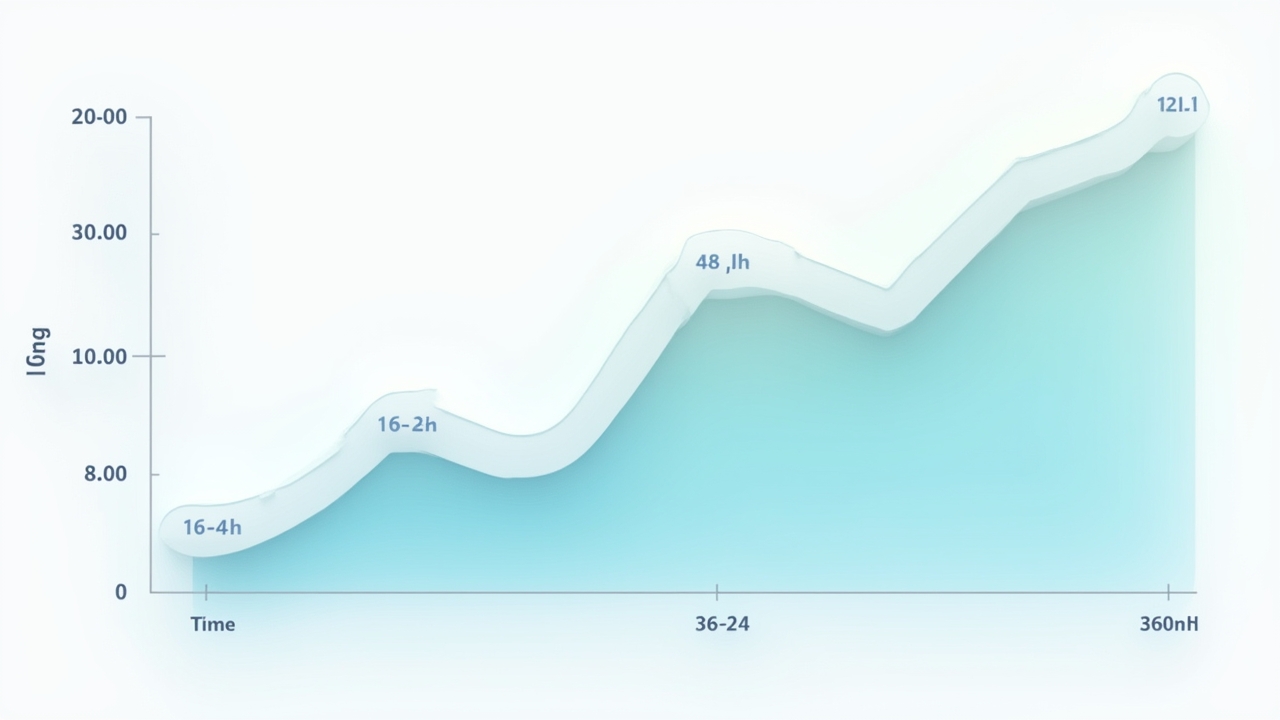
Did you know that fasting can increase human growth hormone (HGH) levels by up to 2,000%? Yeah, I almost fell out of my chair when I first read that. I’ve been nerding out on metabolic health for years, and this little gem of a finding completely changed how I approach my eating schedule.
What Is Growth Hormone and Why Should You Care?
Growth hormone is produced by the pituitary gland, and it does a whole lot more than just help kids grow taller. It plays a massive role in fat metabolism, muscle repair, energy regulation, and even how well you age. Basically, it’s one of those hormones you really want working in your favor.
I used to think HGH was just something bodybuilders messed with illegally. Turns out, your body already makes it — you just need the right conditions to unlock it. And fasting, my friend, might be one of the most powerful natural triggers out there.
What the Research Actually Says
A landmark study published in 1988 in the Journal of Clinical Investigation found that a 5-day fast caused a dramatic spike in growth hormone secretion. The researchers were honestly surprised by the magnitude of the response. It wasn’t a small bump — it was significant enough to turn heads in the endocrinology world.
More recent research from the Intermittent Fasting literature confirms that even shorter fasting windows — like 16 to 24 hours — can meaningfully boost HGH levels. The mechanism seems tied to a drop in insulin. When insulin goes down, GH goes up. It’s almost like a seesaw effect.
And here’s the kicker — this isn’t just about fasting duration. Sleep fasting (the time between your last meal and waking up) also contributes to your nightly GH pulse. So that midnight snack? Yeah, it might be sabotaging more than just your waistline.
Advertisements
My Personal Experience With Fasting and Recovery
A few years back, I started a 16:8 intermittent fasting protocol mostly because I wanted to lose some stubborn belly fat. What I didn’t expect was how much faster I seemed to recover from workouts. My gym buddy even asked if I was “on something.” I wasn’t — I was just fasting and finally sleeping better.
Now, I’m not saying fasting is a magic wand. I made plenty of mistakes early on — like doing intense training sessions in a fasted state without proper electrolytes. That was rough, honestly. But once I dialed things in, the results in terms of body composition and energy were genuinely noticeable.
Key Factors That Influence GH During Fasting
- Fasting duration: Longer fasts (24–72 hours) tend to produce the most dramatic GH responses, but even 16-hour fasts show measurable increases.
- Insulin levels: Lower insulin = higher GH. Avoiding sugar and refined carbs before a fast helps set the stage.
- Sleep quality: Most GH is released during deep sleep. Poor sleep blunts the GH response significantly, according to Sleep Foundation research.
- Exercise timing: Resistance training before a fast can amplify the GH spike even further.
- Body fat percentage: Higher body fat is associated with blunted GH secretion, so losing fat can itself improve GH response over time.
Should You Try Fasting to Boost Growth Hormone?
Honestly? For most healthy adults, experimenting with intermittent fasting is pretty low-risk and potentially high-reward. Start with a simple 12 to 16-hour fast and see how your body responds. Don’t overthink it. You might be surprised.
That said — and I can’t stress this enough — fasting is not for everyone. Pregnant women, people with a history of eating disorders, or those with certain metabolic conditions should absolutely talk to a doctor before jumping in. The science is exciting, but your individual health context matters more than any study.
The Bottom Line on Growth Hormone Fasting Research
The evidence connecting fasting to elevated growth hormone levels is genuinely compelling — and it keeps growing. Whether you’re interested in longevity, body composition, or just feeling sharper every day, understanding how your eating patterns influence key hormones like HGH is a game-changer. Tweak the approach to fit your lifestyle, listen to your body, and always prioritize safety over speed.
Want to keep exploring topics like this? Head over to Prime Guts — there’s a whole library of no-fluff, science-backed content waiting for you. Trust me, you’ll find something that clicks.