
Advertisements
Did you know that your gut keeps working even while you sleep? Yep — it’s out here running its own little cleaning cycle, no permission needed!
I first heard about the migrating motor complex gut connection from a nutritionist friend at a dinner party. I thought she was making stuff up, honestly. But once I started digging into it — especially after dealing with some gnarly bloating and that uncomfortable “full” feeling that just wouldn’t quit — I realized this tiny biological process was something I desperately needed to understand.
So, What Exactly Is the Migrating Motor Complex?
The migrating motor complex (MMC) is basically your gut’s built-in housekeeping system. It’s a series of electrical waves that sweep through your stomach and small intestine during fasting periods, pushing leftover food particles, bacteria, and debris down and out. Think of it like a broom that only comes out when everyone’s left the house.
According to research published on the NIH’s resource database, the MMC cycles roughly every 90 to 120 minutes between meals. It’s triggered by the hormone motilin and runs in four distinct phases — from quiet rest all the way to intense muscular contractions. Pretty wild, right?
And here’s the kicker: it only activates when you’re not eating. The moment you snack, the whole cycle resets. That’s something I definitely wish I’d known during my “grazing all day” phase.
Why the MMC Matters for Your Gut Health
When the MMC is working properly, it prevents bacterial overgrowth in the small intestine — a condition known as SIBO (Small Intestinal Bacterial Overgrowth). I know, the name sounds intense. And honestly, living with undiagnosed SIBO is no joke — the bloating, the gas, the random cramps — it’s exhausting.
A disrupted migrating motor complex is actually one of the leading underlying causes of SIBO, as noted by SIBO specialist Dr. Allison Siebecker’s website. When those sweeping contractions don’t happen efficiently, bacteria have more time to hang around in places they shouldn’t. And trust me, those bacteria throw a party you don’t want to be invited to.
Advertisements
Beyond SIBO, a sluggish MMC has also been linked to IBS, gastroparesis, and general digestive discomfort. So yeah — this thing matters more than most people realize.
Things That Can Mess Up Your MMC
Okay, real talk — a lot of modern habits are basically MMC kryptonite. Here’s what tends to disrupt it:
- Constant snacking: Every time you eat, the MMC resets. No breaks, no sweeping.
- Chronic stress: Stress activates your fight-or-flight nervous system, which essentially puts digestion on pause.
- Poor sleep: The MMC does a lot of its work at night — bad sleep means a bad cleaning cycle.
- Certain medications: Opioids and some antidepressants can slow gut motility significantly.
- Underlying conditions: Diabetes, hypothyroidism, and autoimmune issues can all interfere with MMC function.
I used to eat every two hours because some fitness blog told me it would “boost my metabolism.” Spoiler alert: my gut was not happy. It took me way too long to connect the dots between that habit and my digestive issues.
How to Support Your Migrating Motor Complex Naturally
The good news? There are some pretty simple things you can do to give your MMC a fighting chance. None of these require a prescription or a fancy supplement stack.
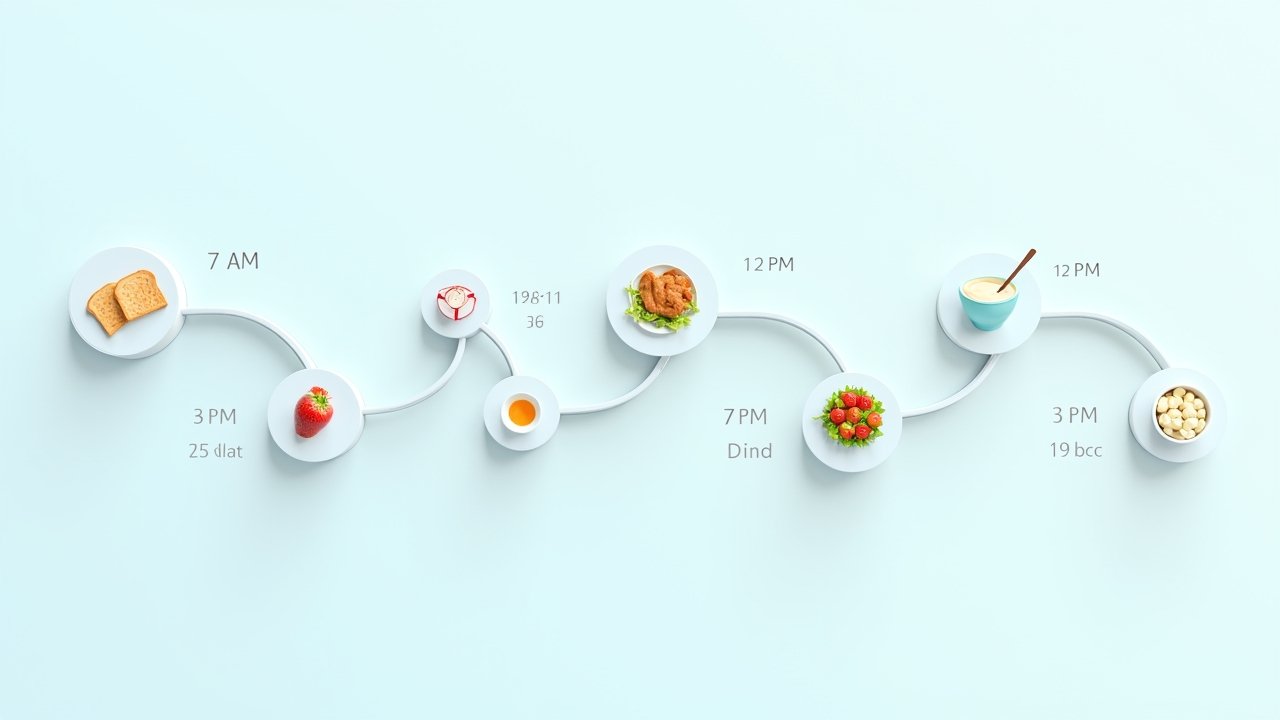
- Space out your meals: Aim for at least 4–5 hours between meals with no snacking in between. Hard at first, but so worth it.
- Try intermittent fasting: Even a simple 12-hour overnight fast can help your MMC do its job. Healthline has a solid beginner’s guide here.
- Manage stress actively: Yoga, meditation, or even a 10-minute walk can shift your nervous system into rest-and-digest mode.
- Prioritize sleep: Your gut literally cleans itself while you sleep. Protect those hours.
- Stay hydrated between meals: Water doesn’t reset the MMC the way food does, so keep sipping.
Small changes, but they genuinely add up. After adjusting my meal timing and getting more consistent sleep, the difference in how I felt was almost embarrassingly obvious.
Your Gut Deserves That Break
Here’s the bottom line — your migrating motor complex is one of the unsung heroes of your digestive system, and most people have never even heard of it. Supporting it doesn’t have to be complicated. Give your gut the fasting windows it needs, sleep well, and stress less. Easier said than done, I know — but even small steps count.
Of course, everyone’s gut is different, so what works beautifully for one person might need some tweaking for another. Always chat with a qualified healthcare provider before making big dietary changes, especially if you’re dealing with a diagnosed condition. Your gut health journey is personal — own it.
Want to keep learning about the fascinating world of digestive health? Head over to Prime Guts — there’s a whole library of posts waiting for you there that might just change the way you think about your body. Go check it out!