
Advertisements
Here’s a wild stat that blew my mind: up to 32 million Americans live with food allergies, and honestly, a ton more are walking around with food sensitivities they don’t even know about. I was one of those people for years! I kept dealing with bloating, brain fog, and random skin flare-ups, and I just assumed it was “normal life stuff.” Then a friend casually mentioned an elimination diet, and it genuinely changed everything for me. So let me walk you through this elimination diet guide the way I wish someone had explained it to me back then.
What Exactly Is an Elimination Diet?
An elimination diet is basically a short-term eating plan where you remove specific foods that are commonly known to cause reactions. You strip your diet down to the basics for a few weeks, and then you slowly reintroduce foods one at a time. The goal is to figure out which foods are triggering your symptoms — whether that’s digestive issues, headaches, joint pain, or skin problems.
Think of it like being a detective for your own body. It’s not a weight loss thing, even though some people do lose weight on it. It’s really about identifying your personal food intolerances and trigger foods.
The Foods You’ll Need to Cut Out (At Least Temporarily)
OK so this part was rough for me, I’m not gonna lie. The standard elimination protocol typically removes the most common allergens and irritants. According to the American Academy of Allergy, Asthma & Immunology, the usual suspects include:
- Gluten and wheat
- Dairy products
- Eggs
- Soy
- Corn
- Nuts and peanuts
- Shellfish and fish
- Sugar and artificial sweeteners
- Caffeine and alcohol
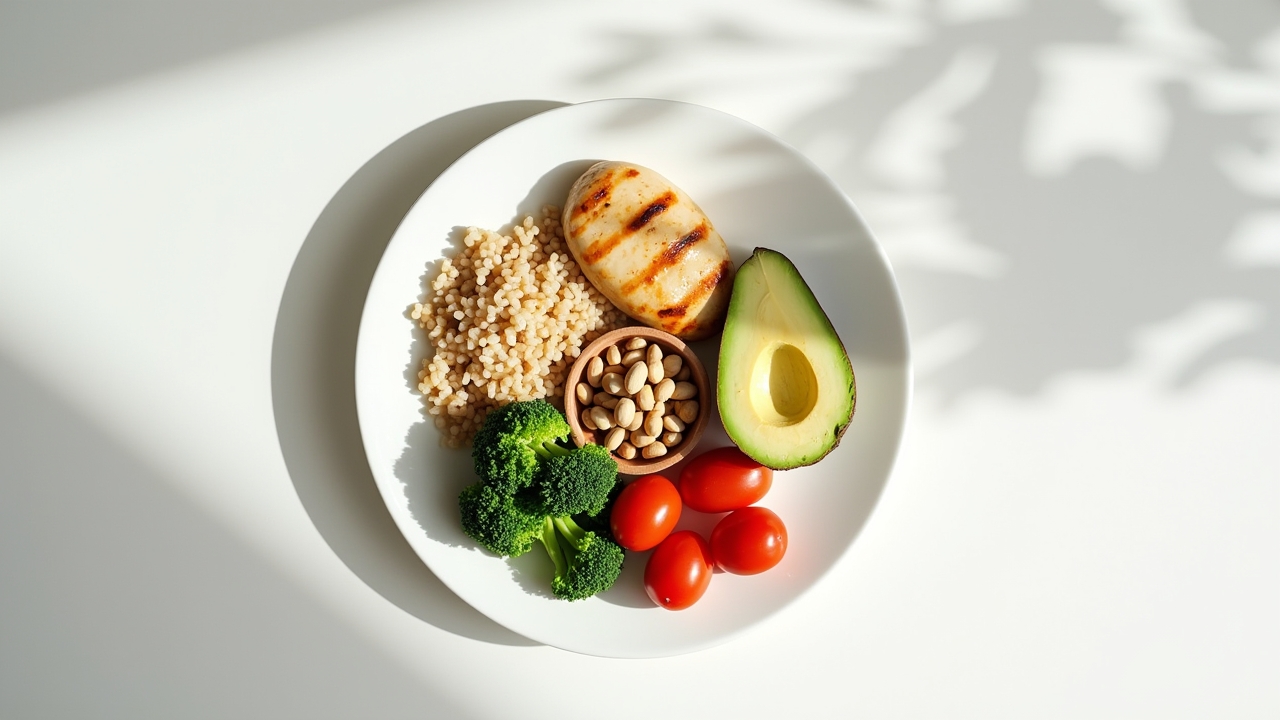
I remember staring at that list and thinking, “What am I even supposed to eat?” But trust me, there’s still plenty of good food left. Rice, most vegetables, fruits, chicken, turkey, and olive oil were basically my best friends during the elimination phase.
How Long Does the Elimination Phase Last?
Most experts recommend sticking with the elimination phase for about 2 to 3 weeks. Some people go up to 4 weeks, but honestly, 3 weeks was my sweet spot. You need enough time for the inflammation to calm down and for your body to kinda reset itself.
Here’s something I messed up the first time around — I wasn’t strict enough. I kept sneaking little bites of cheese here and there because, well, cheese is life. But that totally ruined my results. You really gotta commit fully or the whole thing is a waste of time.
Advertisements
The Reintroduction Phase: Where the Magic Happens
This is honestly the most important part of the whole process. After your elimination period, you bring back one food group at a time, eating it for about 2-3 days while watching for any reactions. Then you wait another 2-3 days before trying the next food.
I started with dairy because I missed it the most. Within 24 hours of reintroducing milk, my stomach was a disaster. Bloated, crampy, the works. It was frustrating but also kind of a triumph moment — I finally had answers after years of wondering what was wrong.
Keep a Food Diary — Seriously
I cannot stress this enough. Write everything down. What you ate, when you ate it, and how you felt in the hours afterward. I used a simple notebook, but apps like MyFitnessPal work great too. Without a food journal, it’s so easy to forget details or mix up which food caused what symptom.
Common Mistakes I Made (So You Don’t Have To)
Besides the cheese incident, I also didn’t read labels carefully enough. Soy is hidden in literally everything — sauces, bread, even some canned tuna. Also, I reintroduced two foods at once during week four because I was getting impatient. Bad idea. My symptoms came back and I couldn’t tell which food was the culprit.
Another thing — I didn’t talk to my doctor first. While an elimination diet is generally considered safe for most adults, it’s always smart to consult a healthcare professional before making big dietary changes, especially if you have a medical condition or are on medication.
Your Gut Will Thank You Later
Look, doing an elimination diet isn’t easy, and anyone who tells you otherwise probably hasn’t actually done one. But the payoff is absolutely worth it. Understanding your own food sensitivities gives you power over your gut health and overall well-being in a way that no generic diet plan ever could.
Remember though — everyone’s body is different. What triggers symptoms for me might be totally fine for you. Customize this process to fit your life and always keep your doctor in the loop. And if you’re hungry for more practical gut health tips and nutrition advice, head over to the Prime Guts blog where we’re constantly sharing stuff that actually helps. Your gut’s got this!