
Chronic Inflammation Health: What I Wish I’d Known Before It Wrecked My Energy
Advertisements
Here’s a stat that honestly blew my mind — according to the World Health Organization, chronic inflammatory diseases are the most significant cause of death worldwide. Three out of five people globally die from conditions linked to chronic inflammation. When I first read that, I thought it was exaggerated, but after spending two years dealing with unexplained fatigue, brain fog, and joint pain, I became a believer real quick.
Chronic inflammation health is something most of us don’t think about until our bodies start screaming at us. And trust me, by then you’re already playing catch-up. So let me walk you through what I’ve learned — the hard way, mostly — about this silent troublemaker.
What Even Is Chronic Inflammation?
Okay, so here’s the deal. Acute inflammation is actually your friend — it’s what happens when you cut your finger or catch a cold, and your immune system rushes in to fix things. But chronic inflammation? That’s when your body’s inflammatory response just… doesn’t turn off.
It keeps simmering in the background like a pot you forgot on the stove. Over months and years, this low-grade inflammation starts damaging healthy tissues, organs, and cells. The National Institutes of Health has linked it to heart disease, type 2 diabetes, autoimmune disorders, and even certain cancers.
I remember my doctor telling me my C-reactive protein levels were elevated, and I just stared at her blankly. Had no clue what that meant. Turns out, it’s one of the key inflammatory markers that signal something’s off inside your body.
The Sneaky Symptoms I Kept Ignoring
For the longest time, I chalked everything up to “just getting older.” Constant tiredness, achy joints in the morning, random digestive issues — I figured that was just life after 35. Spoiler alert: it wasn’t.
Common signs of chronic inflammation include persistent fatigue, body pain, depression and anxiety, gastrointestinal problems like bloating and constipation, and frequent infections. The frustrating part is that these symptoms overlap with a million other conditions, so it’s easy to get dismissed or misdiagnosed.
Advertisements
If you’re experiencing several of these at once, please don’t just push through like I did for way too long. Get your blood work done and specifically ask about inflammatory markers like CRP and ESR.
What’s Actually Fueling the Fire
This was the part that honestly ticked me off the most. A lot of chronic inflammation triggers are things we encounter daily. Processed foods loaded with refined sugars and seed oils, chronic stress, poor sleep, lack of physical activity, and even environmental toxins all contribute to systemic inflammation.
I was eating what I thought was “healthy” — granola bars, whole wheat bread, diet sodas. Turns out, a lot of that stuff was basically inflammatory fuel. The Harvard Health team has a great breakdown of foods that fight inflammation versus those that make it worse.
Gut health plays a massive role too, by the way. An imbalanced gut microbiome can drive inflammation throughout the entire body, which is something I had to learn the hard way through trial and error with my own diet.
Small Changes That Actually Helped Me
Look, I’m not gonna sit here and pretend I overhauled my entire life overnight. That would be a lie. But here are the anti-inflammatory strategies that genuinely moved the needle for me:
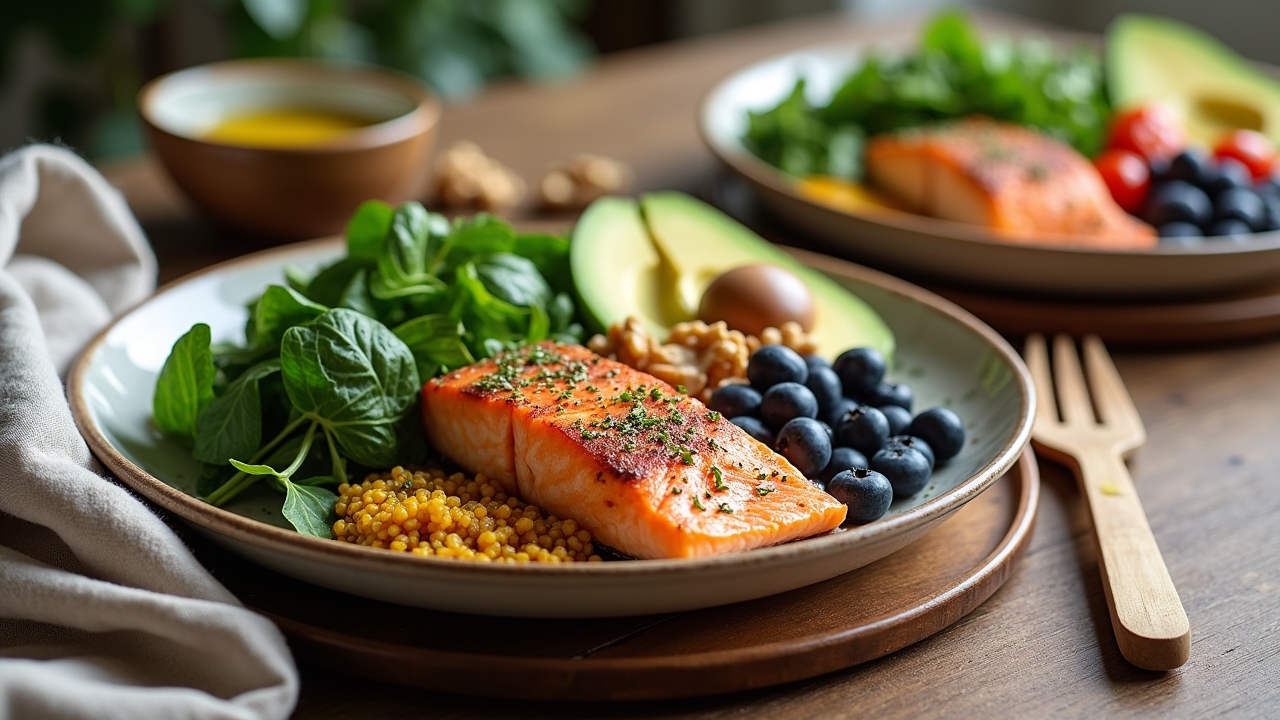
- Swapping processed snacks for whole foods like berries, leafy greens, and fatty fish rich in omega-3 fatty acids.
- Prioritizing 7-8 hours of sleep — non-negotiable now.
- Adding turmeric and ginger into my meals (curcumin is seriously underrated).
- Walking 30 minutes daily, even when I didn’t feel like it.
- Managing stress through breathing exercises — nothing fancy, just consistent.
Within about three months, my energy was noticeably better. My joints stopped aching every morning. And my gut? Finally started cooperating. It wasn’t a miracle cure — it was accumulated small choices that reduced inflammation over time.
Your Body’s Trying to Tell You Something
If there’s one thing I want you to take away from this, it’s that chronic inflammation health isn’t some abstract concept reserved for medical textbooks. It’s real, it’s common, and it affects how you feel every single day. The good news is that lifestyle changes — especially around diet and gut health — can make a real difference.
That said, everyone’s body is different, so please work with a healthcare professional before making major changes. What worked for me might need tweaking for you, and that’s totally fine.
If you found this helpful and want to keep digging into topics like gut health, anti-inflammatory nutrition, and feeling better from the inside out, head over to the Prime Guts blog for more posts just like this one. Your body’s already talking — it’s time to start listening!