Prebiotics vs Probiotics: What I Wish Someone Had Told Me Years Ago
Advertisements
Here’s a stat that honestly blew my mind — your gut contains roughly 38 trillion bacteria, which is more than the total number of human cells in your body! I remember the first time I read that and thought, “Wait, so I’m basically more bacteria than human?” It was a weird moment, but it completely changed how I think about gut health.
For the longest time, I lumped prebiotics and probiotics together like they were the same thing. Spoiler alert — they’re not, and mixing them up cost me months of frustration and wasted money on supplements that weren’t doing what I thought. So let me break this down the way I wish someone had broken it down for me.
So What Are Probiotics, Exactly?
Probiotics are live microorganisms — the actual good bacteria that set up shop in your digestive system. Think of them as the tiny workers keeping your gut microbiome running smoothly. You’ll find them in fermented foods like yogurt, kefir, sauerkraut, kimchi, and kombucha.
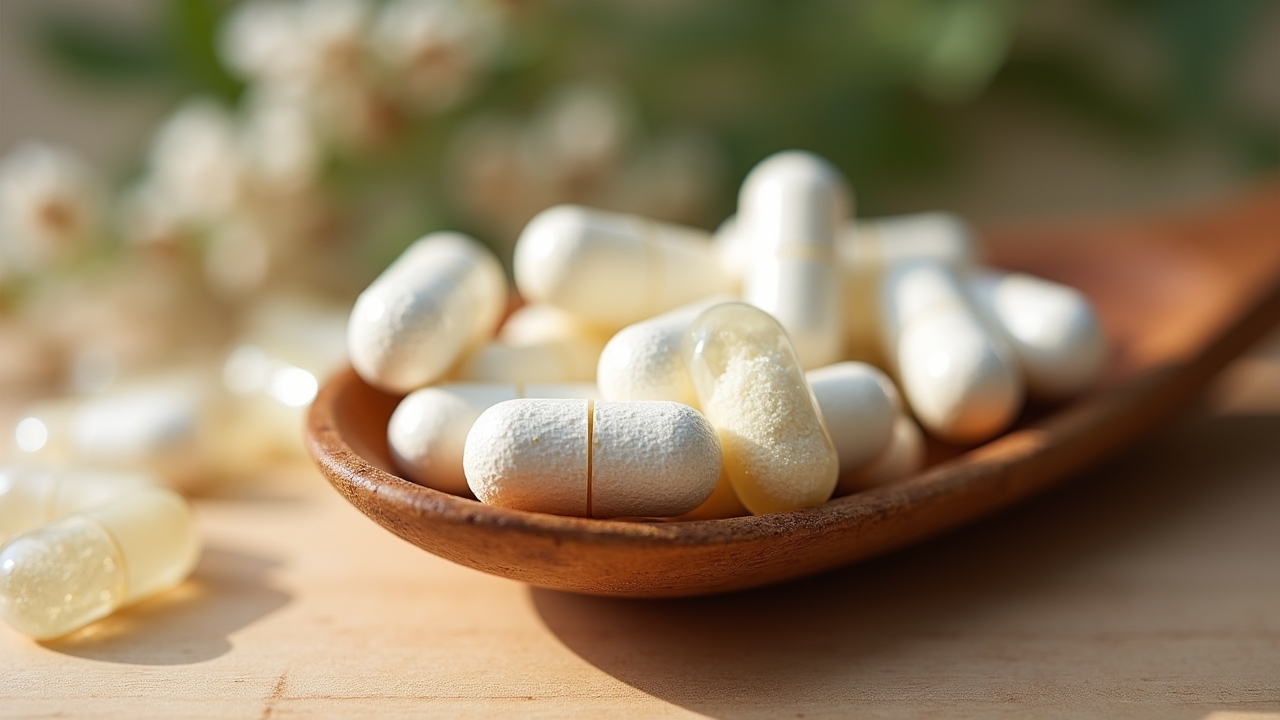
I started taking a probiotic supplement a few years back because my digestion was, well, a mess. Bloating after every meal, irregular bowel movements — the whole nine yards. Within a couple weeks of consistently taking a quality multi-strain probiotic, things genuinely improved. It was one of those small wins that felt like a massive triumph.
Common probiotic strains you’ll see on labels include Lactobacillus, Bifidobacterium, and Saccharomyces boulardii. Each strain does slightly different things, which is something I didn’t realize at first. I was just grabbing whatever was cheapest at the store — rookie mistake.
And What About Prebiotics?
Here’s where it gets interesting. Prebiotics aren’t living organisms at all — they’re basically food for the probiotics. They’re a type of dietary fiber that your body can’t digest, but the beneficial bacteria in your gut absolutely love munching on them.
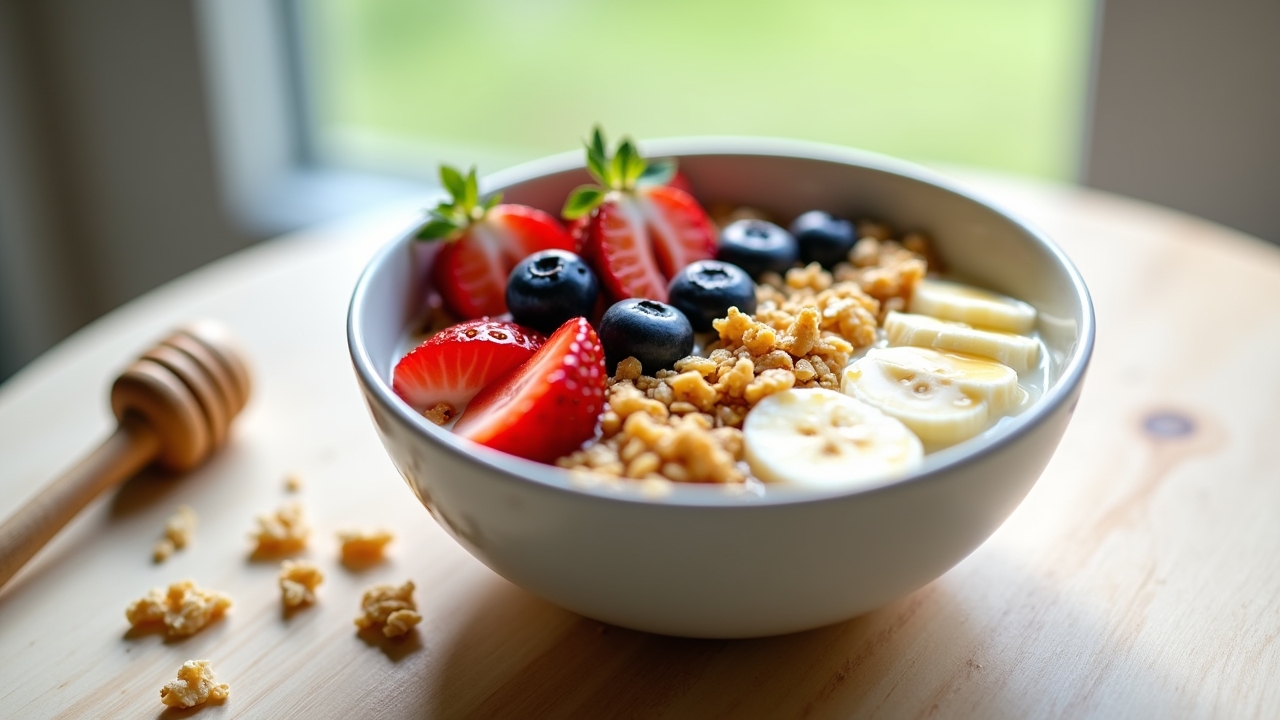
You’ll find prebiotics naturally in foods like garlic, onions, bananas, asparagus, leeks, and oats. Honestly, I had been eating a pretty fiber-poor diet for years without even knowing it. Once I started intentionally adding more prebiotic-rich foods into my meals, the difference was noticeable.
Advertisements
A quick aside — I went a little overboard with the garlic at first because I read it was one of the best prebiotic sources. My coworkers were not thrilled. Moderation, folks.
The Real Difference Between Prebiotics and Probiotics
The simplest way I explain it to people is this: probiotics are the garden, and prebiotics are the fertilizer. You need both for a thriving gut ecosystem. One introduces beneficial bacteria, the other keeps them alive and multiplying.
- Probiotics: Live beneficial bacteria found in fermented foods and supplements.
- Prebiotics: Non-digestible fibers that feed and nourish those good bacteria.
- Synbiotics: Products that combine both prebiotics and probiotics together for maximum gut support.
Taking probiotics without prebiotics is like planting seeds in dry soil. They might survive, but they won’t flourish. That was literally my problem for months — I was popping probiotic capsules daily but eating garbage that gave my gut bacteria nothing to work with.
Which One Should You Take First?
This is the question that tripped me up the most. The answer? Ideally, both — but if you’re starting from scratch, begin with prebiotic foods first. Getting your gut environment ready before flooding it with new bacteria just makes more sense. It’s like preparing the soil before planting.
After about a week of increasing your fiber intake with prebiotic-rich foods, then introduce a probiotic supplement or more fermented foods. And please, start slow. I jumped in too fast and the gas situation was… memorable.
Your Gut Is Counting on You
Look, understanding the difference between prebiotics and probiotics isn’t just nerdy science trivia — it’s genuinely life-changing stuff for your digestive health, immune system, and even your mood. The gut-brain connection is real, and taking care of your microbiome is one of the best investments you can make in your overall wellness.
That said, everyone’s body is different. What worked wonders for me might need tweaking for you, so always listen to your body and consider chatting with a healthcare professional before starting new supplements. Start small, stay consistent, and pay attention to how you feel.
If you found this helpful, stick around — there’s a ton more gut health content waiting for you over at Prime Guts. We’re all about making this stuff easy to understand and actually useful. Your gut will thank you!