Advertisements
Akkermansia and Gut Metabolic Health: The Tiny Bacteria Changing Everything
Did you know that a single bacterial strain living in your gut lining could be one of the biggest factors influencing your metabolism, weight, and even blood sugar? I didn’t either — until my doctor casually mentioned it during a routine checkup, and honestly, it sent me down a rabbit hole I’m still crawling out of. We’re talking about Akkermansia muciniphila, and if you’ve never heard of it, buckle up.
This little guy — well, bacterium — has been getting a ton of attention in the gut health world lately. And for good reason. Research is starting to show that people with higher levels of Akkermansia in their gut tend to have better metabolic health markers, including lower body fat, better insulin sensitivity, and a healthier gut barrier. That’s not nothing. That’s actually a huge deal.
What Exactly Is Akkermansia?
Akkermansia muciniphila is a gram-negative bacterium that lives in the mucus layer of your intestinal wall. It was first discovered in 2004 by researchers at Wageningen University, and since then, scientists have been pretty obsessed with it. It makes up roughly 1–3% of your total gut microbiome in healthy adults — which sounds small, but its impact is massive.
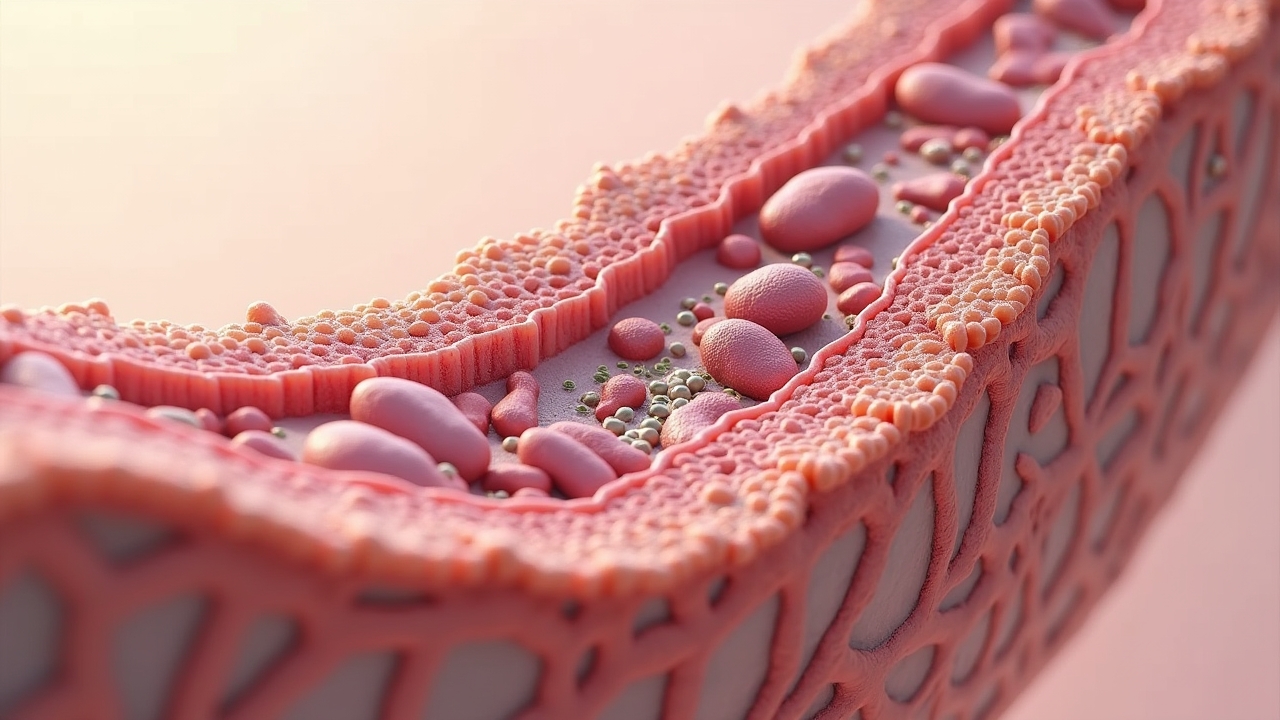
What makes it special is what it does for your gut lining. It feeds on mucin (the stuff that makes up your gut’s protective layer), and in doing so, it actually stimulates your gut to produce more mucin. It’s basically helping to maintain and strengthen your intestinal barrier. A healthy gut barrier means less “leaky gut,” less inflammation, and — here’s where the metabolic stuff comes in — better regulation of glucose and fat metabolism.
You can read more about the science behind it in this Nature Medicine study that first linked Akkermansia to metabolic improvements in humans. It blew my mind when I first read it.
How Akkermansia Affects Your Metabolism
Okay, here’s where it gets really interesting. Low levels of Akkermansia have been consistently linked to obesity, type 2 diabetes, and metabolic syndrome. Conversely, people with healthy, diverse microbiomes tend to have more of it. It’s not a perfect one-to-one relationship, but the pattern is strong enough that researchers are now calling it a potential next-generation probiotic.
Advertisements
In a landmark clinical trial published in Nature Medicine, participants who took pasteurized Akkermansia supplements saw improvements in insulin sensitivity, cholesterol levels, and even body composition — without changing their diet. I mean, come on. That’s wild. Of course, diet still matters a ton, but this suggests Akkermansia plays its own role in the metabolic puzzle.
One of the ways it works is by producing short-chain fatty acids (SCFAs) and compounds like Amuc_1100, a protein that interacts with your gut’s immune receptors and helps reduce low-grade inflammation. Chronic inflammation is basically the silent enemy of good metabolic health, so having something that naturally fights it from inside your gut? Yes, please.
How to Naturally Boost Akkermansia Levels
So obviously after learning all this, I wanted to increase my own Akkermansia levels. Here’s what actually worked for me — and what the research backs up:
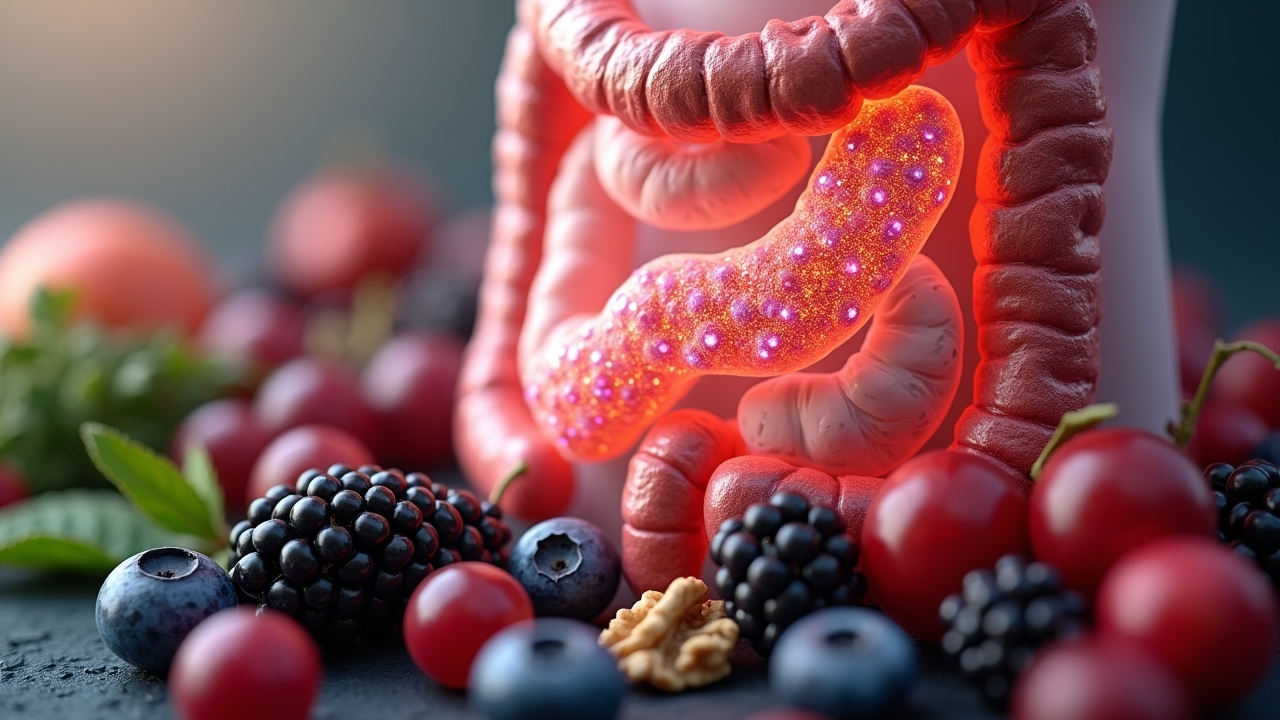
- Eat more polyphenols. Foods like pomegranate, cranberries, green tea, and dark chocolate are known to feed Akkermansia. I started having a small square of dark chocolate after dinner and calling it “gut health.” My wife thinks I’m ridiculous. I think I’m thriving.
- Try intermittent fasting. Fasting periods seem to increase Akkermansia abundance, possibly because it thrives when mucin — rather than food — is its main fuel source.
- Increase dietary fiber. Prebiotic fibers from foods like chicory root, onions, and garlic create a hospitable gut environment.
- Consider pasteurized Akkermansia supplements. Brands are starting to offer these. Just make sure they’re pasteurized — studies suggest the heat-treated version is actually more effective than the live strain.
- Reduce ultra-processed foods. These are basically kryptonite for your entire microbiome, Akkermansia included.
A helpful overview of gut-friendly foods can be found at Healthline’s guide to the gut microbiome — worth bookmarking.
Your Gut Is Trying to Tell You Something
Look, I’m not saying Akkermansia is a magic bullet. Nothing in health ever is, and anyone who tells you otherwise is probably selling something. But the evidence is mounting that this one bacterial strain plays a surprisingly important role in how your body handles energy, inflammation, and metabolic function — and that’s worth paying attention to.
Start small. Add some pomegranate seeds to your yogurt. Swap out one processed snack. Give your gut a fighting chance. Every little shift in your diet sends ripple effects through your microbiome, and over time, those ripples add up.
If you’re curious about more ways to support your gut health from the inside out, head over to Prime Guts — there’s a whole world of gut health content waiting for you there, and trust me, once you start reading, you won’t want to stop.