
B Vitamins, Energy, and Fatigue: What I Wish I’d Known Before Burning Out
Advertisements
Here’s a stat that honestly blew my mind: according to the National Institutes of Health, nearly 6% of adults under 60 are deficient in vitamin B12, and that number jumps dramatically after age 60. I was one of those people and didn’t even know it! For months, I dragged myself through the day blaming stress, bad sleep, and too much coffee — turns out, my B vitamin levels were tanked.
If you’ve been dealing with constant tiredness that no amount of rest seems to fix, B vitamins and their role in energy production might be the missing piece. Let me walk you through what I’ve learned the hard way.
Why B Vitamins Matter So Much for Energy
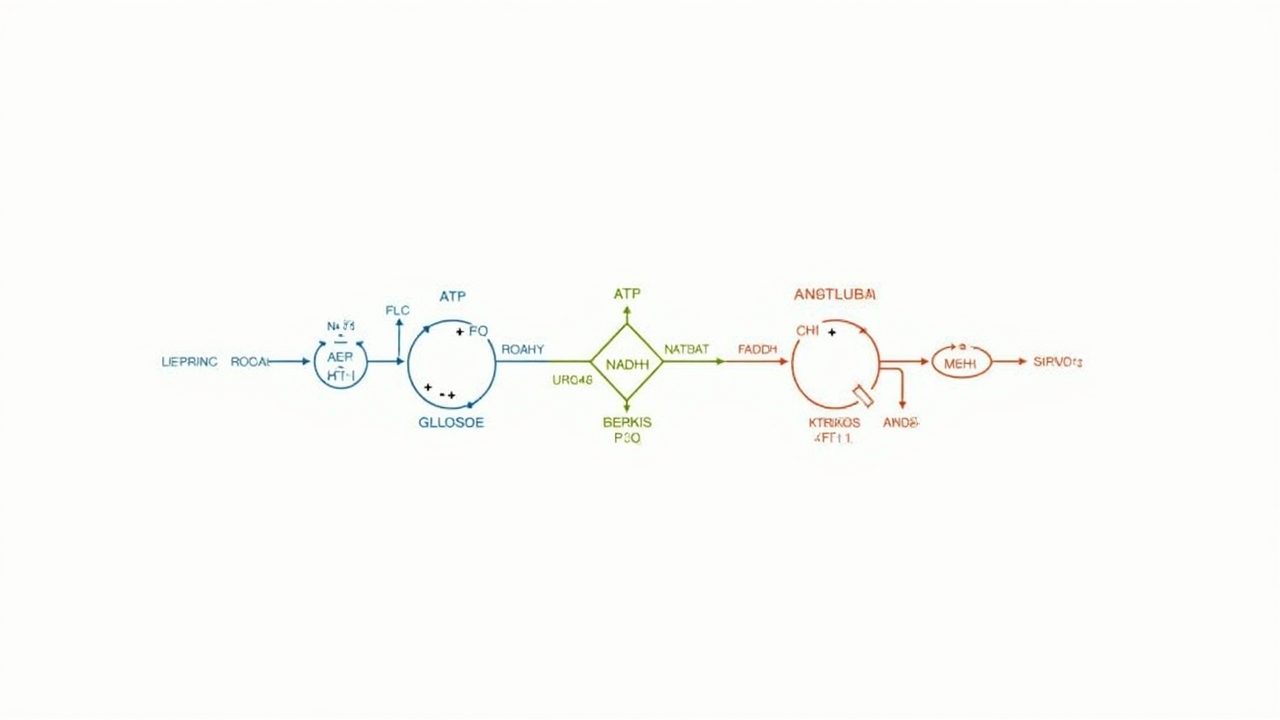
So here’s the deal. B vitamins are a group of eight essential nutrients that your body uses to convert the food you eat into usable cellular energy, or ATP. Without enough of them, your metabolism basically hits a wall.
The key players for fighting fatigue include B1 (thiamine), B2 (riboflavin), B3 (niacin), B5 (pantothenic acid), B6, B9 (folate), and B12. Each one has a slightly different job, but they all work together in your mitochondria — those tiny powerhouses inside your cells. When even one is running low, the whole energy production chain gets sluggish, and that’s when the brain fog and exhaustion really kick in.
My Wake-Up Call With Chronic Fatigue
I’ll be honest, I ignored the signs for way too long. I figured feeling wiped out by 2 PM was just what happens when you’re in your late thirties juggling work and kids. My doctor finally ran a blood panel, and sure enough, my B12 and folate levels were in the basement.
Turns out I had been eating pretty poorly — lots of processed stuff, not enough leafy greens or lean protein. The Harvard School of Public Health has a great breakdown on how diet directly affects your B vitamin status. Once I started paying attention to what I was actually putting in my body, things changed pretty fast.
Best Food Sources to Boost Your B Vitamins Naturally
Before you run out and buy a supplement (we’ll get there), let me share what actually helped me through food first:
Advertisements
- B12: Eggs, salmon, beef liver, and fortified nutritional yeast. If you’re vegan, fortified foods are basically non-negotiable.
- B6: Chicken, bananas, potatoes, and chickpeas. I started throwing chickpeas into everything — salads, soups, you name it.
- Folate (B9): Dark leafy greens like spinach and kale, lentils, and asparagus.
- B1 and B2: Whole grains, nuts, and dairy products.
One thing I messed up early on was thinking I could just eat a banana and call it a day. Nope. You need variety because each B vitamin comes from slightly different sources, and they work synergistically.
Should You Take a B-Complex Supplement?
This is where it gets a little tricky. A good B-complex supplement can absolutely help fill gaps, especially if you have absorption issues, dietary restrictions, or you’re under a lot of stress. Stress literally burns through your B vitamins faster — something I learned after a particularly rough semester at school.
However, more isn’t always better. Mega-dosing on B6, for example, can actually cause nerve damage over time according to the Mayo Clinic. So please talk to your doctor before starting any new supplement routine. Get your levels tested first — it was the smartest thing I ever did.
Signs You Might Be Running Low
Beyond just feeling tired all the time, B vitamin deficiency can show up in sneaky ways. Think mouth sores, tingling in your hands or feet, irritability, and even depression. I had the irritability thing bad and honestly thought I just needed a vacation.
If any of that sounds familiar, don’t just push through it. A simple blood test can tell you exactly where you stand.
Your Energy Is Worth the Effort
Look, fixing my B vitamin intake didn’t magically turn me into a morning person. But the constant, crushing fatigue lifted within a few weeks, and that alone felt like a small miracle. The bottom line is that B vitamins are essential for energy metabolism, and most of us aren’t getting enough from diet alone.
Everyone’s body is different, so customize this information to your own situation. Get bloodwork done, talk to a professional, and don’t self-diagnose based on internet articles alone — including this one. Start with whole foods, consider a quality supplement if needed, and be patient with the process.
If you found this helpful, stick around! We’ve got tons more practical health and wellness content over at Prime Guts that digs into gut health, nutrition, and feeling your best every single day. Go check it out — your future self will thank you.