How Fermented Foods Supercharge Your Immune System (And What I Learned the Hard Way)
Advertisements
Here’s a wild stat that honestly blew my mind: roughly 70% of your immune system lives in your gut. Seventy percent! I remember reading that for the first time a few years ago while I was battling my third cold in two months, and something just clicked. I’d been ignoring my digestive health for years, popping vitamin C tablets like candy, and wondering why I kept getting sick every other week.
That’s when I stumbled into the world of fermented foods and their connection to the immune system. And let me tell you, it changed everything for me. If you’ve been curious about how probiotics, gut bacteria, and those funky jars of sauerkraut actually help your body fight off illness, stick around — because I’ve got some stories and some science to share.
Why Your Gut Is Basically Immune System Headquarters
So here’s the deal. Your gastrointestinal tract is home to trillions of microorganisms — we’re talking bacteria, fungi, viruses — collectively known as your gut microbiome. These little guys aren’t just hanging out; they’re actively training your immune cells, producing anti-inflammatory compounds, and keeping harmful pathogens from setting up camp.
When your gut flora is out of balance, which doctors call dysbiosis, your immune response gets wonky. I learned this personally when years of processed food, stress, and way too much coffee left me bloated and constantly run down. My doctor basically told me my gut was a mess, and that was contributing to my weakened immunity.
Enter Fermented Foods: My Gateway to Better Health
Fermented foods are made through a process called lacto-fermentation, where natural bacteria feed on sugars and starches, creating beneficial enzymes, B vitamins, omega-3 fatty acids, and various strains of probiotics. Think yogurt, kefir, kimchi, sauerkraut, miso, tempeh, and kombucha. These foods have been consumed by cultures around the world for literally thousands of years.
My first attempt at eating fermented foods was, well, a disaster. I bought a massive jar of kimchi from a Korean grocery store and ate half of it in one sitting because I figured more is better, right? Wrong. My stomach was furious with me for two days straight. The lesson here? Start slow — like a tablespoon or two per day — and gradually increase your intake so your digestive system can adjust.
The Science Behind Fermented Foods and Immune Function
A Stanford study published in 2021 found that a diet rich in fermented foods increased microbiome diversity and decreased markers of inflammation. That’s huge. Greater microbial diversity is consistently linked to stronger immune defense and lower rates of autoimmune conditions.
Advertisements
The probiotics in fermented foods — strains like Lactobacillus and Bifidobacterium — help strengthen the intestinal barrier, which prevents toxins and bad bacteria from leaking into your bloodstream. They also stimulate the production of natural antibodies and boost immune cells like T-lymphocytes and natural killer cells. Pretty impressive for a jar of yogurt, honestly.
My Go-To Fermented Foods (And How I Actually Eat Them)
After that kimchi incident, I got smarter about things. Here’s what became part of my regular routine:
- Kefir: I drink a small glass every morning. It’s got way more probiotic strains than regular yogurt and its slightly tangy taste grew on me fast.
- Sauerkraut: A forkful on top of eggs or alongside a sandwich. Just make sure you buy the refrigerated kind — the shelf-stable stuff has been pasteurized and the live cultures are killed off.
- Miso soup: Perfect for evenings. It’s warm, comforting, and loaded with beneficial bacteria.
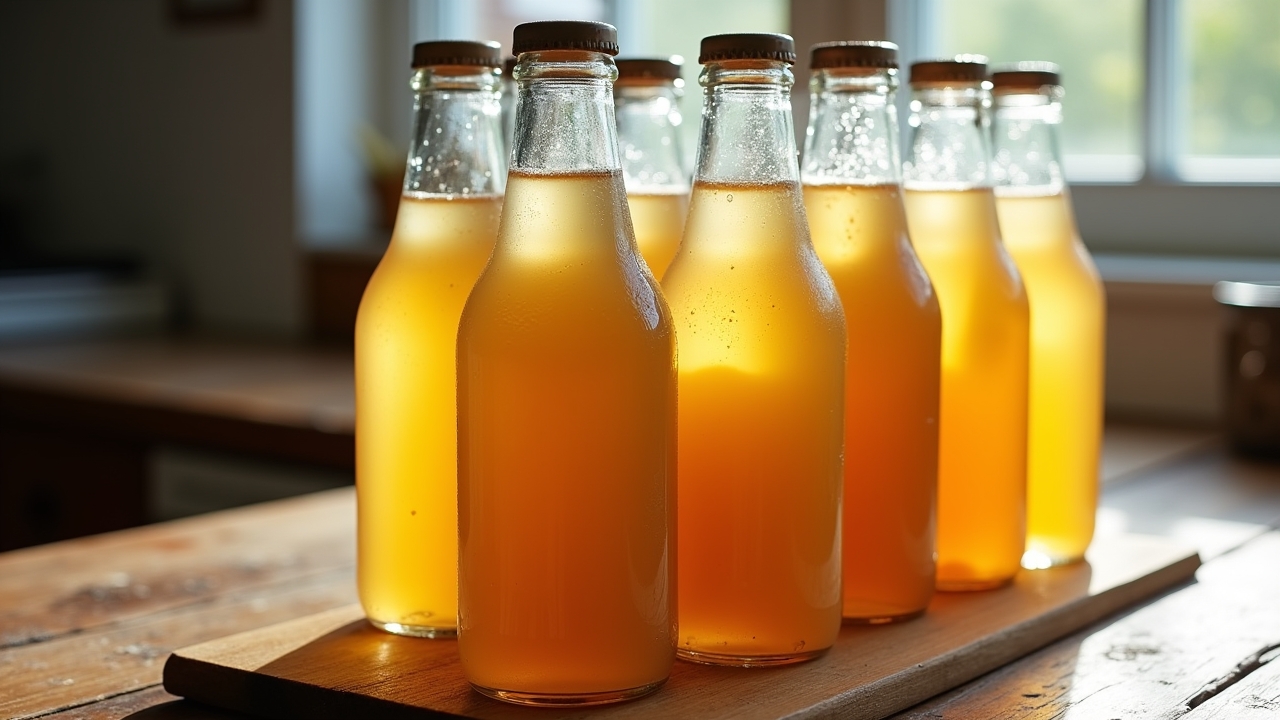
- Kombucha: My afternoon pick-me-up instead of a second coffee. Watch out for brands with tons of added sugar though.
One thing that really helped was being consistent rather than going overboard. A little bit every day beats a massive amount once a week.
Common Mistakes I See People Make
Besides my own kimchi fiasco, I’ve watched friends make similar blunders. The biggest one is assuming all fermented foods are created equal. Store-bought pickles made with vinegar? Not fermented. That sugary kombucha with 30 grams of sugar per bottle? Basically soda with good marketing.
Also, if you have histamine intolerance or a severely compromised immune system, some fermented foods can actually cause problems. It’s always worth chatting with your healthcare provider before making big dietary changes — something I wish I’d done earlier instead of just winging it.
Your Gut Is Waiting — Feed It Right
Look, I’m not saying fermented foods are some magical cure-all. But after two years of consistently including them in my diet, I get sick way less often, my digestion is solid, and my energy levels are genuinely better. The connection between fermented foods and the immune system is backed by real research, and the best part is that it’s a simple, affordable change anyone can make.
Start with one fermented food you actually enjoy. Give your body a few weeks to adapt. Pay attention to how you feel. And remember, everyone’s microbiome is different, so what works for me might need tweaking for you.
If you found this helpful and want to keep learning about gut health, probiotics, and how to take better care of your digestive system, make sure you explore more posts over at Prime Guts. Your gut — and your immune system — will thank you for it!