Advertisements
Did you know that up to 70% of people carry Candida albicans in their gut without even knowing it? Most of the time, it just chills there, minding its own business. But when things go sideways — stress, antibiotics, too much sugar — that yeast can take over, and trust me, you’ll feel it.
I found out the hard way. A few years back, I was constantly bloated, foggy-headed, and craving sugar like it was my second job. Turns out, I had a classic case of candida overgrowth. My doctor mentioned diet changes, and honestly? I kind of rolled my eyes at first. But after weeks of feeling like garbage, I was ready to try anything.
What Is Candida Overgrowth, Really?
Candida overgrowth, or candidiasis, happens when the natural balance of yeast and bacteria in your gut gets thrown off. Your gut is basically a tiny ecosystem, and when candida gets too comfortable, it spreads — sometimes even into your bloodstream. Symptoms can include bloating, fatigue, brain fog, skin issues, and recurring yeast infections.
The tricky part is that candida feeds on sugar and refined carbs. So if your diet looks anything like mine used to — pizza on Tuesdays, candy at 3 PM — you might be literally feeding the problem. Not great, right?
The Core of a Candida Overgrowth Diet
The candida diet is all about starving the yeast while supporting your gut health at the same time. It sounds intense, but it’s really just about cutting the junk and loading up on whole, anti-inflammatory foods. Here’s the basic breakdown:
- Cut out sugar — all forms, including honey, maple syrup, and fruit juices. Candida thrives on it.
- Avoid refined carbs like white bread, pasta, and pastries. These convert to sugar fast in your body.
- Ditch alcohol — it’s fermented, which means it feeds yeast directly.
- Skip moldy or fermented foods (at first) — things like aged cheeses and certain vinegars can aggravate symptoms early on.
- Eliminate processed foods — the preservatives and additives mess with your gut microbiome big time.
I remember clearing out my pantry one Sunday afternoon and just staring at all the stuff I had to toss. It was a little dramatic, honestly. But necessary.
Advertisements
Foods That Actually Help Fight Candida
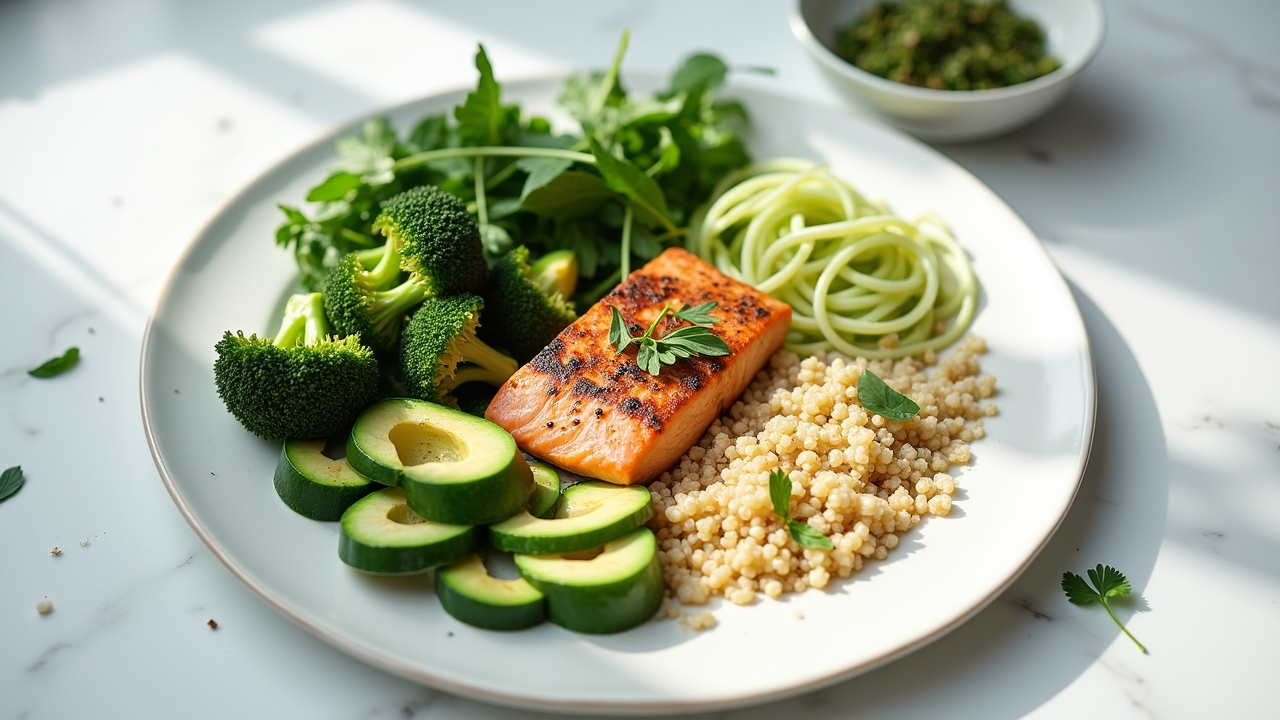
Here’s the good news — and there is good news. Plenty of delicious foods can help restore balance and fight candida naturally. According to Medical News Today, an anti-candida diet focuses heavily on non-starchy vegetables, quality proteins, and healthy fats.
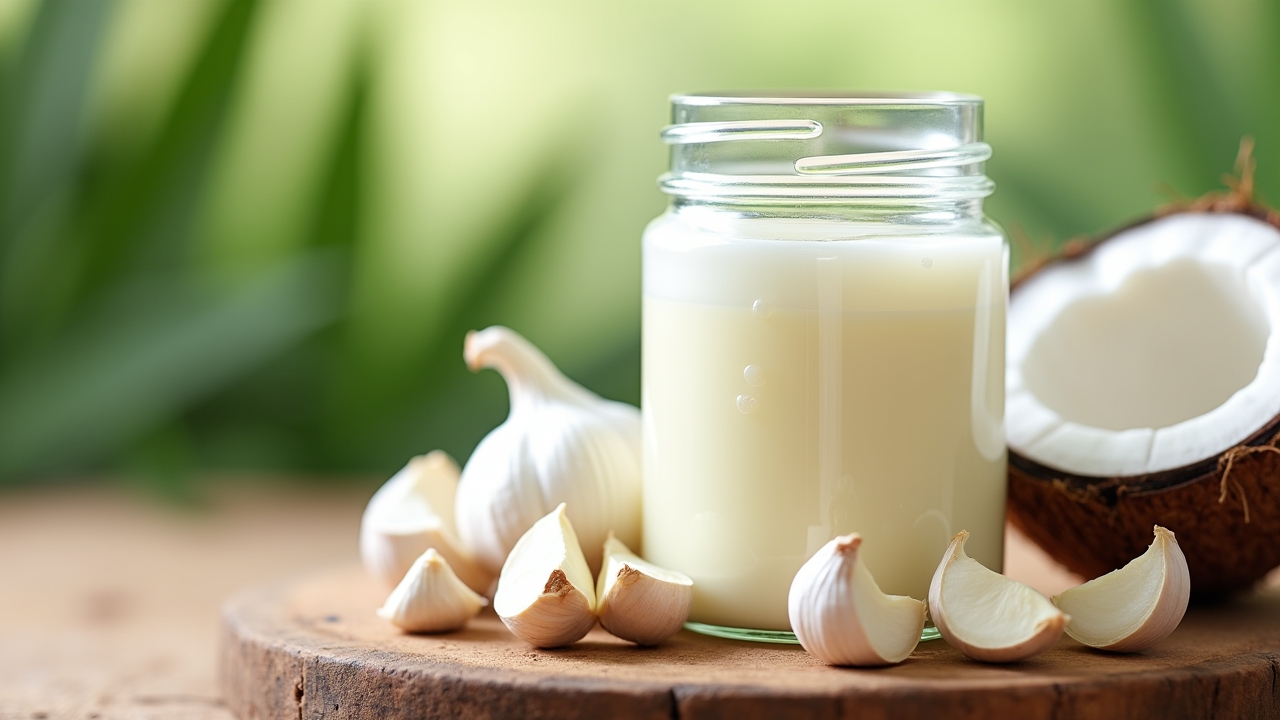
- Garlic — contains allicin, a natural antifungal compound. Raw is best.
- Coconut oil — rich in caprylic acid, which has well-documented antifungal properties.
- Leafy greens — spinach, kale, arugula. Low in sugar and packed with nutrients.
- Probiotic-rich foods — plain unsweetened yogurt, kefir, and sauerkraut help restore healthy gut bacteria.
- Wild-caught fish and lean proteins — they support immune function without feeding yeast.
- Apple cider vinegar — a bit controversial, but many people find it helps balance gut pH.
I started adding raw garlic to literally everything. My breath suffered. My gut didn’t — and that was kind of the whole point.
A Few Practical Tips From Someone Who’s Been There
First, go slow. Jumping into a strict candida cleanse all at once can actually cause something called die-off symptoms — headaches, fatigue, irritability — as the yeast breaks down. It’s temporary, but it’s rough. Easing in helped me a lot.
Second, don’t skip probiotics. Replenishing your gut with good bacteria is just as important as cutting the bad stuff. I took a daily probiotic supplement alongside fermented foods, and within a few weeks, the brain fog started lifting. Third, drink a ton of water. Staying hydrated helps flush out the toxins released during die-off, and it keeps your digestion moving along.
Your Gut Deserves the Effort
Look, a candida overgrowth diet isn’t a quick fix or a magic cure. It takes time, consistency, and a willingness to read a lot of food labels. But the payoff — clearer skin, more energy, less bloating, better focus — is absolutely worth it. Your gut microbiome is the foundation of so much of your overall health, and taking care of it is one of the smartest things you can do.
Always check in with a healthcare provider before making major dietary changes, especially if you’re managing other health conditions. Everyone’s gut is different, and what worked for me might need some tweaking for you. And hey, if you’re hungry for more tips on gut health, digestion, and living better from the inside out — swing by Prime Guts and explore more posts. There’s a whole lot more where this came from.