Advertisements
DHEA, Aging, and Longevity: What I Wish I Knew at 35
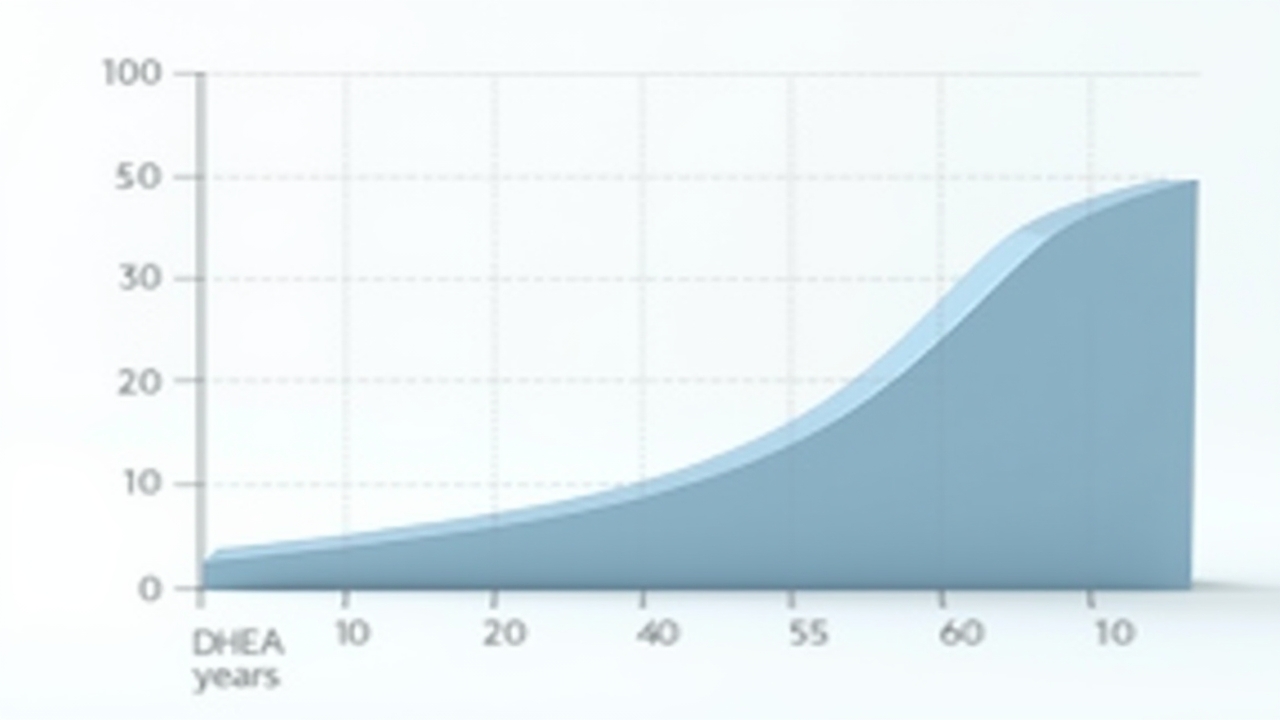
Here’s a wild stat — by the time you hit 70, your body produces about 80% less DHEA than it did in your mid-20s. Eighty percent! That’s not a small dip, that’s practically a cliff. And honestly, when I first learned that, I kind of panicked a little. I started wondering how much of what I was feeling — the fatigue, the brain fog, the general “meh” of getting older — was connected to this one hormone quietly disappearing from my system.
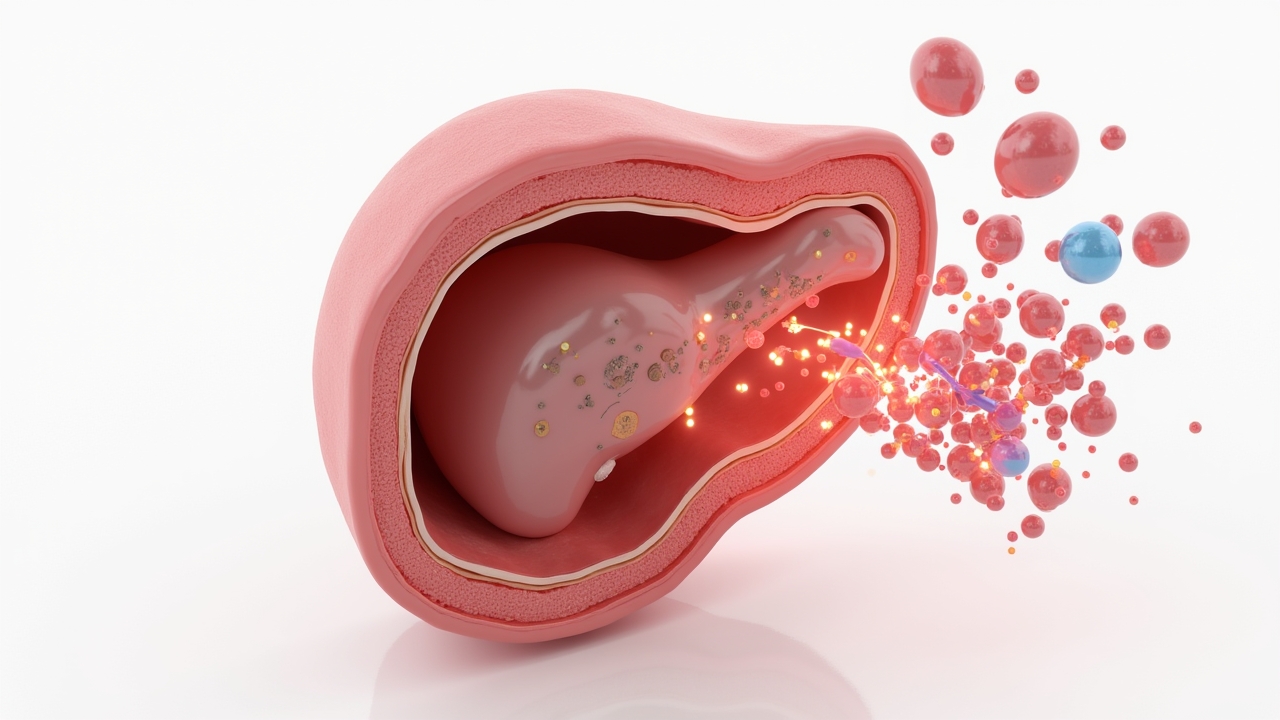
DHEA, or dehydroepiandrosterone (try saying that three times fast), is produced mainly by your adrenal glands. It’s often called the “mother hormone” because your body converts it into other hormones like testosterone and estrogen. So yeah, it’s kind of a big deal when it comes to aging and longevity.
What Exactly Is DHEA and Why Should You Care?
Okay, so let me break this down like I’m explaining it to one of my students. DHEA is a steroid hormone, but not the scary kind you hear about in sports scandals. It’s naturally made by your body, and it peaks around age 25. After that, it’s basically a slow decline for the rest of your life — which sounds depressing, I know.
Research has linked low DHEA levels to things like increased body fat, weakened immune function, lower bone density, and even cognitive decline. According to a study published by the National Institutes of Health, DHEA supplementation has shown some promising effects on aging markers in older adults. That got my attention real fast.
The Connection Between DHEA and Longevity
Here’s where things get genuinely interesting. Several long-term studies have found that people with higher DHEA-S levels (that’s the sulfate form your body stores) tend to live longer and have better overall health outcomes. The Mayo Clinic notes that DHEA may support heart health, immune response, and even mood regulation. Not bad for one little hormone, right?
I’ll be honest — I went through a phase where I was skeptical about all of this. Felt like another wellness trend being hyped up. But then I started connecting the dots between my own energy levels and what I was reading, and something clicked.
Advertisements
DHEA Supplementation: My Experience and What the Research Says
A few years back, I tried a low-dose DHEA supplement after getting my levels tested and finding they were on the lower end for my age. I started at 25mg daily, which is pretty standard for beginners. Within about six weeks, I genuinely noticed a difference in my energy and mood. Was it placebo? Maybe partly. But the research backs up some of what I felt.
Studies suggest that DHEA supplementation can improve bone density in older women, support adrenal function, and even help with symptoms of depression. One well-known resource, Examine.com, has a solid breakdown of the clinical evidence if you want to go deep on the science. Worth bookmarking, seriously.
- Start with a low dose (25–50mg) and monitor how you feel
- Get your DHEA-S levels tested before supplementing — don’t guess
- Talk to a doctor, especially if you have hormone-sensitive conditions
- Combine supplementation with lifestyle habits like strength training and quality sleep
Natural Ways to Support Your DHEA Levels
Not into supplements? That’s totally fair. There are natural ways to nudge your DHEA levels in the right direction. Regular exercise — especially resistance training — has been shown to support adrenal hormone production. Managing chronic stress matters too, since high cortisol is basically DHEA’s nemesis. They compete, and stress usually wins if you let it.
Getting enough sleep is another big one. I know, I know — everyone says that. But your adrenal glands do a lot of their work while you’re resting, so cutting sleep short is like asking your hormonal system to run on empty. Also, some research points to intermittent fasting as a way to improve hormonal balance, including DHEA. Check out what Healthline says about it for a well-rounded perspective.
So, Is DHEA the Secret to Living Longer?
Probably not the only secret — but it’s definitely a piece of the puzzle worth paying attention to. Aging is complex, and no single hormone or supplement is going to be a magic fix. What matters is looking at the full picture: your hormone levels, your lifestyle, your stress, your sleep. DHEA is one lever among many, but it’s a lever that a lot of people don’t even know exists.
Please, before you run out and grab a bottle off the shelf, get your levels checked. Hormone supplementation isn’t one-size-fits-all, and more isn’t always better. Work with a healthcare provider who actually knows about hormonal health and longevity — it makes all the difference.
If this got you curious about other topics related to health, aging, and living better, you’ll find a whole lot more waiting for you over at Prime Guts. Stick around — there’s always something worth learning.