Estrogen Dominance in Men: What I Wish I Knew Five Years Ago
Advertisements
Here’s a stat that genuinely blew my mind — studies suggest that men today have roughly 20% less testosterone than men the same age had just two decades ago. When my doctor first mentioned “estrogen dominance” during a routine checkup, I honestly laughed. Estrogen? That’s a women’s thing, right? Wrong. So, so wrong.
Turns out, estrogen dominance in men is way more common than most guys realize, and it was messing with my energy, my gut, and honestly my mood in ways I couldn’t even pinpoint at first. If you’re feeling off and can’t figure out why, stick with me here — this one might hit close to home.
What Exactly Is Estrogen Dominance in Men?
So let me break this down simply. Men naturally produce estrogen — specifically estradiol — and that’s totally normal. The problem starts when your estrogen levels get too high relative to your testosterone, creating an imbalance that throws your whole hormonal system outta whack.
This imbalance is what doctors call estrogen dominance. It doesn’t necessarily mean your estrogen is sky-high in absolute terms. It just means the ratio between testosterone and estrogen is off, and your body starts feeling the consequences.
The Sneaky Symptoms I Totally Ignored
I’m gonna be real with you — I ignored the signs for a long time. I figured the extra belly fat was just from getting older. The brain fog? Stress at work. Low libido? Eh, just tired.
But here’s what high estrogen in men can actually look like:
- Increased body fat, especially around the chest and midsection
- Gynecomastia (that’s the medical term for man boobs, and yeah, it’s uncomfortable to talk about)
- Fatigue and low motivation
- Mood swings, irritability, or even anxiety
- Decreased muscle mass despite working out
- Erectile dysfunction or reduced sex drive
- Water retention and bloating
When I finally saw this list laid out by my doc, it was like a lightbulb went off. I had been dealing with at least four of these for over a year and just chalking it up to “aging.” Nope. It was a hormonal imbalance.
Advertisements
What Causes It? The Stuff Nobody Talks About
This is where things got interesting for me. One major culprit is excess body fat. Fat tissue contains an enzyme called aromatase, which literally converts testosterone into estrogen. So the more belly fat you carry, the more estrogen your body produces. It’s a vicious cycle.
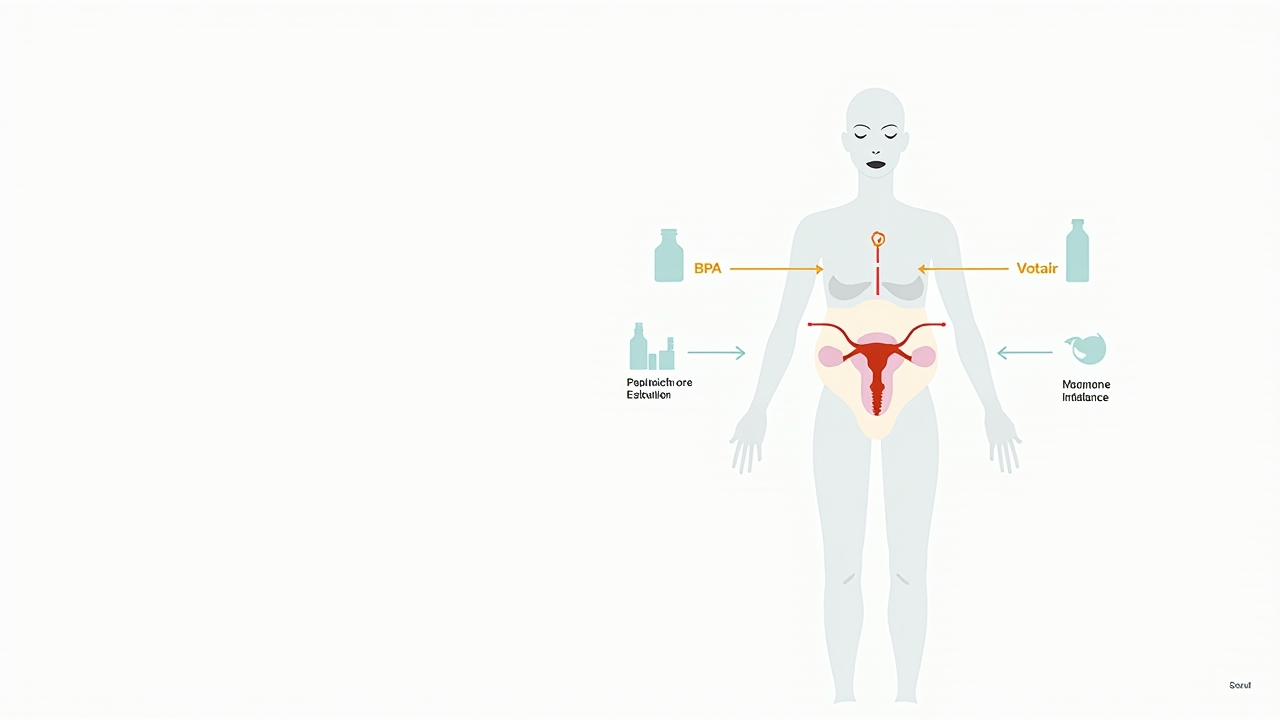
Then there’s the environmental stuff — xenoestrogens from plastics, pesticides, and even some personal care products. I did a deep dive into my bathroom cabinet one weekend and honestly, it was kind of disturbing how many products contained endocrine disruptors. Alcohol consumption is another big one. My nightly beer habit was not doing my hormone balance any favors.
Poor gut health also plays a role, since the gut microbiome helps metabolize and eliminate excess estrogen. A sluggish digestive system can lead to estrogen being reabsorbed back into your bloodstream instead of getting flushed out.
What Actually Helped Me Get Things Back on Track
First thing — I got bloodwork done. Specifically, I asked for a comprehensive hormone panel that included estradiol, free testosterone, and SHBG. You can’t fix what you can’t measure, right?
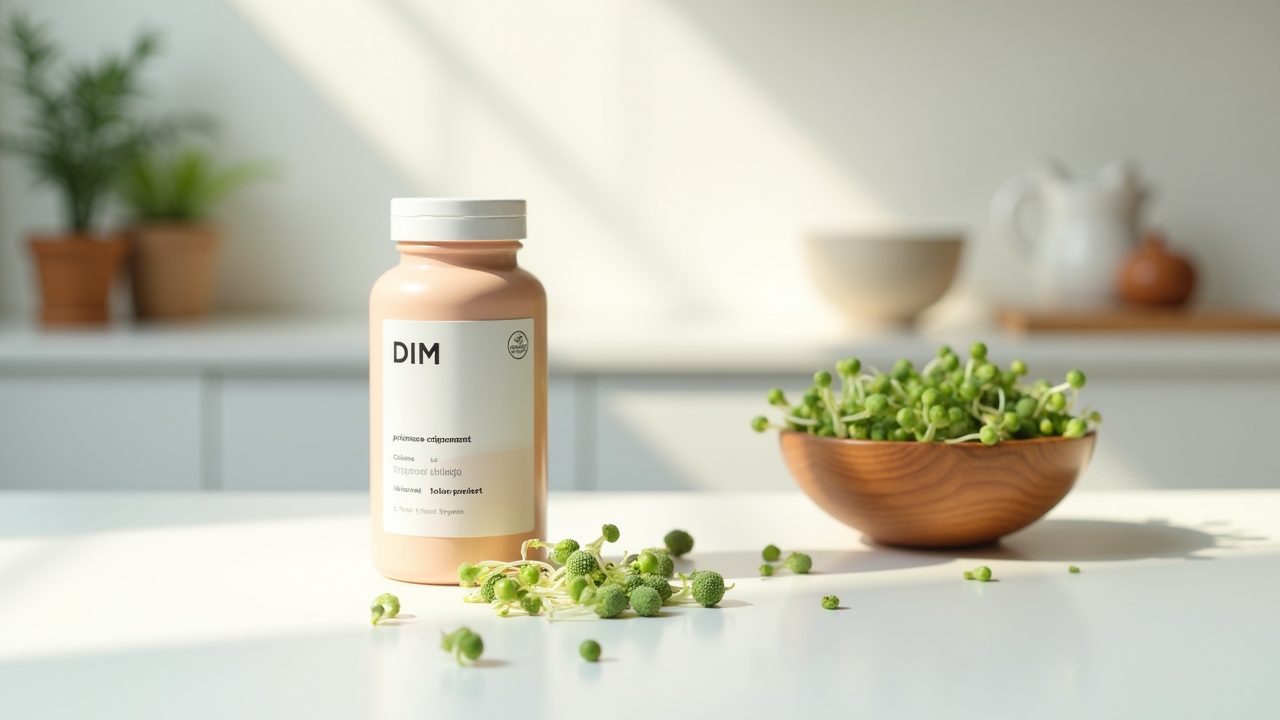
From there, the changes were honestly pretty straightforward. I cut back on alcohol significantly — went from daily drinks to maybe one or two on weekends. I started eating more cruciferous vegetables like broccoli and cauliflower, which contain compounds like DIM that naturally support estrogen metabolism. I swapped plastic food containers for glass ones and started paying attention to ingredient labels on personal care products.
Strength training became non-negotiable. Lifting heavy weights has been shown to help boost testosterone production naturally, and losing that stubborn visceral fat reduced the aromatase activity in my body. Within about three months, I genuinely felt like a different person.
Your Hormones, Your Responsibility
Look, estrogen dominance in men isn’t some fringe health topic anymore — it’s becoming incredibly common, and most guys have no idea it’s happening to them. The good news is that once you understand the causes, the fixes are pretty manageable. Diet, exercise, reducing environmental toxin exposure, and supporting your gut health can make a massive difference.
That said, please don’t go self-prescribing supplements or estrogen blockers without talking to a healthcare professional first. Hormones are complicated, and what worked for me might not be right for you. Get the bloodwork. Have the conversation with your doctor.
If this topic resonated with you, I’d love for you to explore more articles over at Prime Guts — we cover gut health, hormonal balance, and all the stuff that actually matters for feeling like yourself again. Your body’s trying to tell you something. Maybe it’s time to listen.