Advertisements

Histamine Intolerance Symptoms: What My Body Was Trying to Tell Me (And I Kept Ignoring)
Did you know that roughly 1% of the population deals with histamine intolerance — and most of them have no idea that’s what’s going on? I was one of those people for almost three years. Headaches after a glass of red wine, random skin flushing, a stuffy nose out of nowhere… I just thought I was “getting older.” Spoiler: I wasn’t. My body was sending me signals the whole time, and I kept hitting snooze on them.
If you’ve been feeling off and can’t quite put your finger on why, this article is for you. Let’s break down the most common histamine intolerance symptoms, why they happen, and what you can actually do about it.
So… What Even Is Histamine Intolerance?
Okay, quick science moment — I promise it won’t hurt. Histamine is a chemical your body naturally produces. It plays a role in your immune response, digestion, and even your sleep-wake cycle. The problem happens when your body can’t break it down fast enough, usually because of low levels of an enzyme called diamine oxidase (DAO).
When histamine builds up in your system, things start to go sideways. And the tricky part? The symptoms look a lot like allergies, anxiety, or just general “blah” feelings. That’s why so many people — like me — go undiagnosed for years. If you want a solid overview of how histamine works in the body, Healthline has a really helpful breakdown worth bookmarking.
The Most Common Histamine Intolerance Symptoms
This is where it gets real. These symptoms can vary a lot from person to person, which is honestly part of what makes histamine intolerance so frustrating to diagnose. Here’s what tends to show up most often:
- Headaches or migraines — especially after eating aged cheeses, wine, or fermented foods
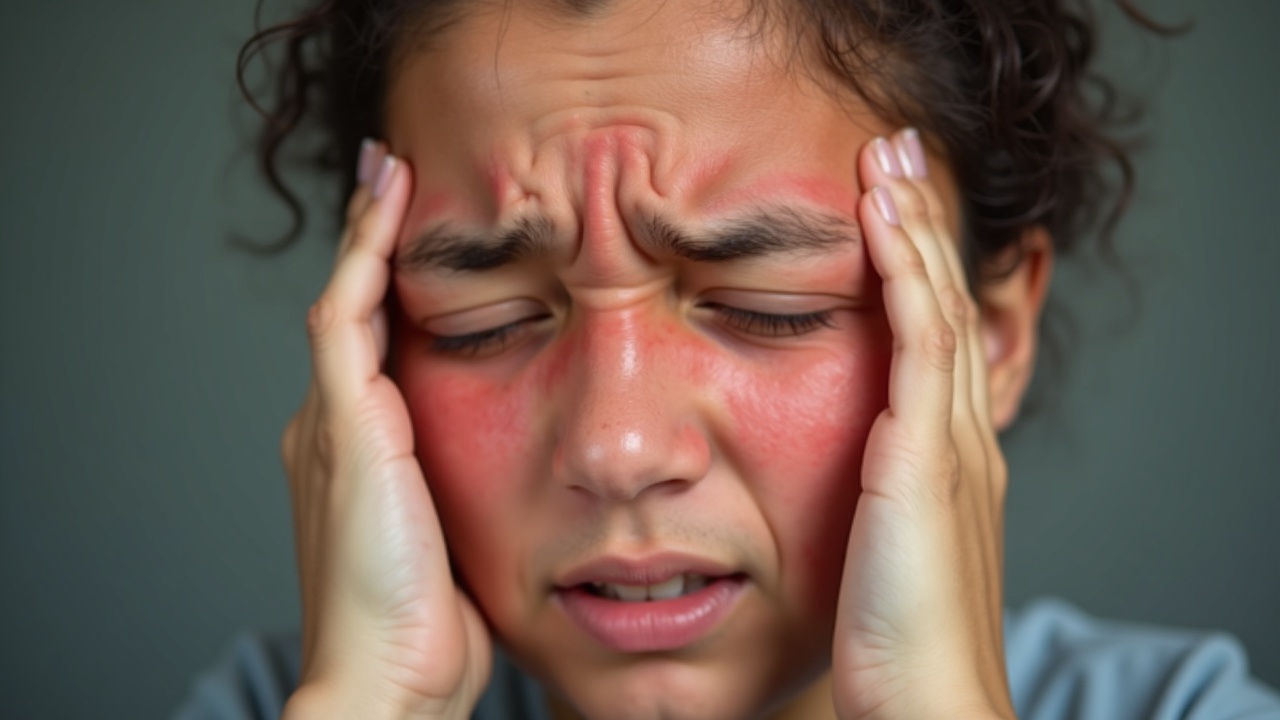
- Skin reactions — flushing, hives, itching, or that annoying red-face situation after eating
- Digestive issues — bloating, stomach cramps, diarrhea, or nausea
- Nasal congestion or runny nose — not from a cold, just… randomly
- Fatigue — the kind where you’ve slept 8 hours and still feel like a zombie
- Heart palpitations — that weird fluttery feeling in your chest
- Anxiety or brain fog — feeling mentally scattered or inexplicably on edge
- Low blood pressure or dizziness — especially after meals
I personally dealt with the headaches and the flushing the most. For the longest time, I blamed stress. Turns out, it was that sneaky leftover pasta I kept eating for lunch — fermented and aged foods are high-histamine offenders.
Advertisements
Foods That Trigger Histamine Intolerance Symptoms
Here’s the part that kind of blew my mind when I first learned it. It’s not just about eating “allergenic” foods. Some of the healthiest-sounding foods out there are loaded with histamine or trigger your body to release it.
Think: red wine, aged cheeses, canned tuna, spinach, tomatoes, avocados, and fermented foods like yogurt, sauerkraut, and kombucha. Yes, kombucha. I know, I was devastated too. The Medical News Today article on histamine intolerance actually has a solid list of high-histamine foods if you want to go deeper.
Additionally, some foods aren’t high in histamine themselves but cause your body to release more of it — these are called histamine liberators. Strawberries, bananas, and egg whites fall into that category. Wild, right?
How to Know If It’s Really Histamine Intolerance
Honestly, the best first step is keeping a food and symptom journal. I know it sounds tedious — and it kind of is — but patterns start showing up fast. If your symptoms consistently flare after eating high-histamine foods, that’s a pretty big clue. A low-histamine elimination diet, done under medical supervision, is often used to confirm the suspicion.
There’s no single definitive lab test for histamine intolerance, though some doctors do test for DAO enzyme levels. It’s worth talking to a gastroenterologist or allergist who’s familiar with the condition. Don’t just try to Google your way through this one alone — been there, done that, it only made me more anxious.
What Helped Me (And Might Help You Too)
Once I started connecting the dots, things genuinely got better. A low-histamine diet was the biggest game changer for me. Beyond that, some people find that DAO enzyme supplements help their body break down histamine more efficiently — though results vary and you should definitely check with your doctor first.
Managing stress, improving gut health, and cutting back on alcohol also made a noticeable difference. Your gut plays a huge role in histamine metabolism, so taking care of it is kind of non-negotiable here.
Your Gut Is Talking — Time to Actually Listen
Histamine intolerance is one of those things that’s easy to overlook because the symptoms are so all over the place. But once you understand what’s happening, you can start making real changes. Everyone’s body is different, so what works for me might need some tweaking for you — and that’s completely okay. Just please don’t ignore the signals your body is sending you the way I did for three years.
And of course, always loop in a healthcare professional before making big dietary changes. Safety first, always. If you found this helpful, there’s a whole lot more where this came from — head over to Prime Guts and explore other posts on gut health, digestion, and everything in between. Your gut will thank you!