
Blood Sugar and Hormonal Balance: What I Wish Someone Had Told Me 10 Years Ago
Advertisements
Here’s a stat that honestly blew my mind — roughly 80% of women experience some form of hormonal imbalance during their lifetime, and unstable blood sugar is one of the biggest hidden triggers. I spent years dealing with afternoon energy crashes, mood swings that made no sense, and this stubborn belly fat that wouldn’t budge no matter what I tried. Turns out, blood sugar and hormonal balance are way more connected than most of us realize!
If you’ve ever felt like your body is working against you, keep reading. Because understanding this connection was genuinely a game-changer for me.
Why Blood Sugar Messes With Your Hormones
So here’s the deal. Every time you eat something — especially refined carbs or sugary snacks — your blood glucose spikes and your pancreas pumps out insulin to bring it back down. When this happens over and over throughout the day, your body starts producing excess insulin, and that’s where things get messy.
High insulin levels can directly disrupt other hormones like cortisol (your stress hormone), estrogen, progesterone, and even thyroid hormones. I remember reading about insulin resistance for the first time and thinking, “Wait, THIS is why I feel terrible after lunch every single day?” It was like finding the missing puzzle piece.
Basically, when your blood sugar is on a rollercoaster, your entire endocrine system gets dragged along for the ride. And nobody signed up for that.
The Signs I Completely Ignored (Don’t Make My Mistake)
For years I blamed my symptoms on “just getting older” or stress at work. But looking back, the signs of blood sugar-driven hormonal imbalance were pretty obvious:
- Intense sugar cravings, especially around 3 PM
- Irregular periods that kept getting worse
- Brain fog so thick I couldn’t focus on basic tasks
- Waking up at 3 AM wide awake (that’s a cortisol spike, by the way)
- Feeling hangry to the point where my family was honestly scared of me
If any of these sound familiar, your glucose metabolism might be off. It was frustrating because my regular blood work always came back “normal.” But normal ranges don’t always catch the early stages of metabolic dysfunction.
Advertisements
What Actually Helped Me Stabilize Things
I’m not gonna pretend I figured this out overnight. It took trial and error — a lot of error, honestly. But these specific changes made the biggest difference in supporting both my blood sugar regulation and hormonal health.
Eating Protein and Fat Before Carbs
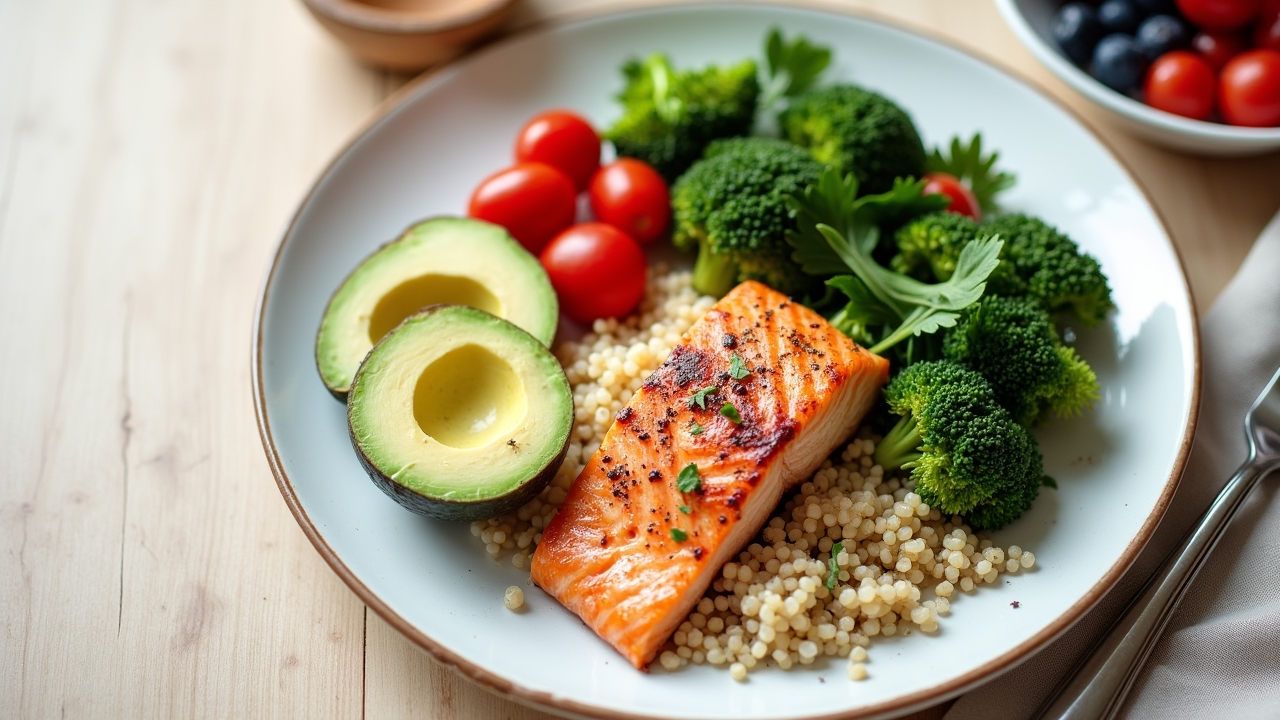
This sounds almost too simple, but research shows that eating protein and healthy fats before carbohydrates can significantly reduce glucose spikes. I started having eggs and avocado before touching any toast in the morning. The difference in my energy levels was wild.
Walking After Meals
Even a 10-minute walk after eating helps your muscles absorb glucose without needing as much insulin. I was skeptical at first, not gonna lie. But my post-meal sluggishness basically disappeared within a week of doing this consistently.
Prioritizing Sleep Like It’s My Job
Poor sleep wrecks your insulin sensitivity and spikes cortisol production. I used to stay up doom-scrolling until midnight and wondered why my hormones were a disaster. Now I aim for 7-8 hours, and my cycle has been more regular than its been in years.
Cutting Back on Hidden Sugars
Granola bars, flavored yogurt, oat milk lattes — I thought I was eating healthy but was actually spiking my blood sugar constantly. Reading nutrition labels became a bit of an obsession, but a helpful one.
Your Body Is Talking — Start Listening
Look, the connection between blood sugar and hormonal balance isn’t some fringe wellness trend. It’s basic physiology that most of us were never taught. The good news is that small, consistent changes can make a massive difference in how you feel day to day.
That said, everyone’s body is different. What worked for me might need tweaking for you, and if your symptoms are severe, please talk to a healthcare provider — especially an endocrinologist who understands metabolic health. This isn’t medical advice, just stuff I learned the hard way.
If you found this helpful and want to keep digging into gut health, metabolism, and feeling better from the inside out, head over to the Prime Guts blog for more posts like this one. Your future self will thank you!