Advertisements
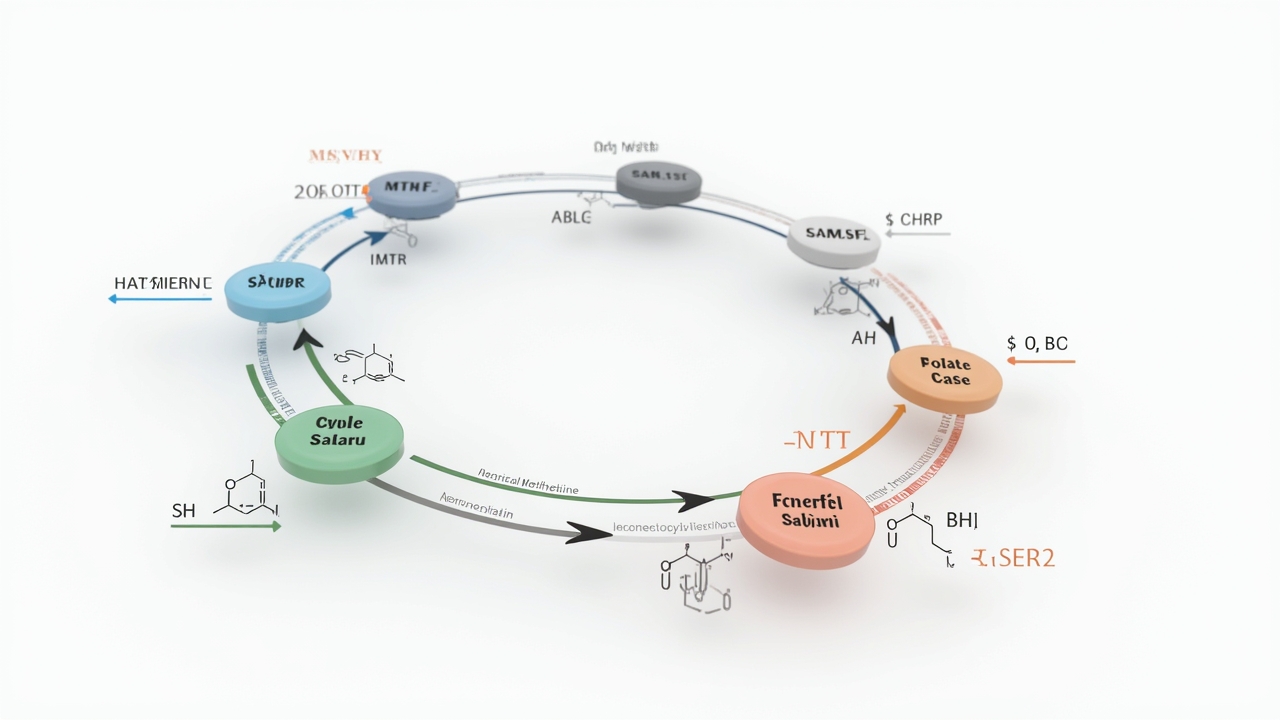
Methylation, Mood, and Detox: What Your Body Is Trying to Tell You
Did you know that up to 44% of people carry a genetic variant that affects how their body processes methylation? I didn’t either — until I crashed hard after months of feeling foggy, anxious, and just… off. It wasn’t burnout. It wasn’t stress. Turns out, my methylation cycle was a mess, and it was wrecking everything from my mood to my body’s ability to detox properly.
So let’s talk about it. Methylation mood detox isn’t just a trendy phrase — it’s a real, science-backed connection that more people need to understand. And honestly? Once I got it, a lot of things in my health journey finally clicked.
What Even Is Methylation?
Okay, real quick — methylation is basically a biochemical process that happens billions of times per second in your body. It controls gene expression, detoxification, neurotransmitter production, and more. Think of it like a dimmer switch for your body’s most important functions.
When methylation is working well, your body makes serotonin, dopamine, and other mood-regulating chemicals efficiently. It also flushes out toxins and keeps inflammation in check. But when it’s sluggish? You feel it — big time.
I remember thinking I just needed more sleep. Spoiler: I didn’t. It was a methyl donor deficiency, something I’d never even heard of before a functional medicine doctor mentioned it during a routine checkup. You can read more about the methylation cycle over at Healthline’s breakdown of methylation — it’s a solid starting point.
The Mood Connection You Might Be Missing
Here’s where it gets personal. I was moody, irritable, and weirdly emotional for no reason. My family thought I was going through something. I thought I was just tired. But low methylation activity can directly impact serotonin and dopamine synthesis, which means your brain literally doesn’t have the raw materials to feel good.
Advertisements
SAMe (S-adenosylmethionine) is one of the key methyl donors your body uses to make these neurotransmitters. When SAMe levels drop, mood disorders, anxiety, and even depression can sneak in through the back door. It’s a sneaky little connection that most people — and even some doctors — overlook.
The research on SAMe and depression from the National Institutes of Health is actually pretty compelling. Worth a read if you’re a fellow nerd who likes to go down rabbit holes at midnight.
Detox Relies on Methylation Too
This one surprised me the most. I thought detox was all about the liver doing its thing. And yeah, the liver is the MVP — but methylation is basically the coach calling the plays. The liver uses methylation to neutralize and eliminate heavy metals, excess hormones, and environmental toxins.
If your methylation is impaired, those toxins stick around longer than they should. That buildup can contribute to brain fog, fatigue, hormonal imbalances, and mood swings. It’s a full-circle situation — slow methylation leads to poor detox, poor detox tanks your mood, and tanked mood makes everything worse.
So when people talk about a “methylation mood detox,” they’re really talking about resetting this whole connected system. Not just one piece of it.
Simple Ways to Support Your Methylation Cycle
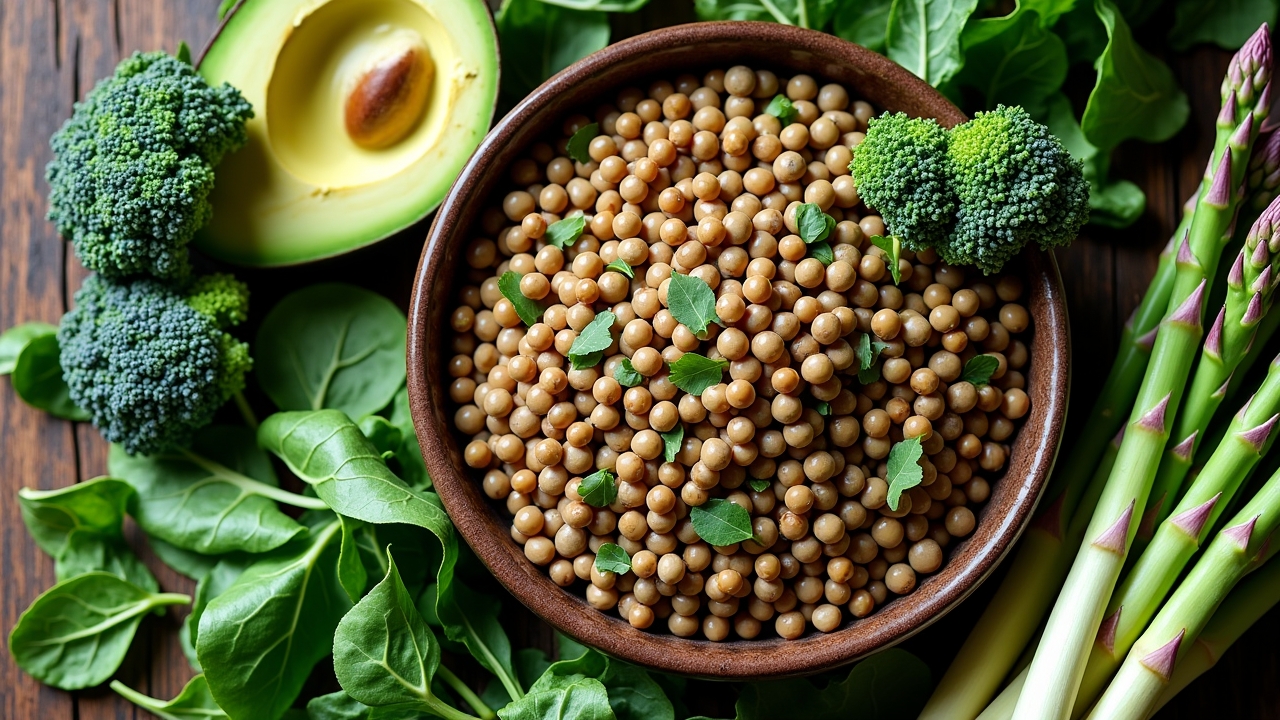
- Eat more folate-rich foods — think leafy greens, lentils, and avocado. These are natural methyl donors your body loves.
- Get your B12 levels checked — low B12 is one of the most common causes of poor methylation, especially in vegetarians and older adults.
- Limit alcohol — it depletes methyl donors fast and stresses the liver’s detox pathways.
- Reduce processed foods — artificial additives can burden your detox system and compete with healthy methylation activity.
- Consider methylated B vitamins — if you have the MTHFR gene variant, your body may not convert regular folic acid properly. Methylfolate is the better option. Talk to your doctor first, though — please don’t just self-supplement without guidance.
I personally started with a food-first approach before adding any supplements. And within a few weeks, the fog started lifting. Not overnight — but noticeably. That felt like a real win.
Your Next Step Starts Here
Here’s what I want you to take away: your mood, your detox capacity, and your overall wellbeing are deeply connected through methylation. It’s not woo-woo wellness talk — it’s biochemistry. And the cool thing is, small, consistent changes in diet and lifestyle can genuinely move the needle.
That said, always work with a qualified healthcare professional before making major changes, especially if you suspect a genetic variant like MTHFR. Everyone’s body is different, and what worked for me might need tweaking for you. Be curious, be patient, and be kind to your body.
If this got your brain going, there’s a whole lot more where this came from. Head over to Prime Guts and explore other posts on gut health, nutrition, and living better from the inside out. You might just find the missing piece you’ve been looking for.