
Processed Foods and Chronic Disease: How I Learned the Hard Way What Was on My Plate
Advertisements
Here’s a stat that honestly stopped me in my tracks: according to a study published in The BMJ, ultra-processed foods now make up nearly 60% of the average American adult’s daily calorie intake. Sixty percent! When I first read that, I thought there was no way it applied to me. But then I started actually paying attention to what I was eating, and let me tell you, the reality check was brutal.
The connection between processed foods and chronic disease is something that doesn’t get talked about enough in plain, honest language. So that’s exactly what I’m gonna do here — share what I’ve learned, what I’ve messed up, and what actually helped me turn things around.
What Even Counts as “Processed Food”?
I used to think processed food just meant fast food burgers and frozen pizza. Turns out, I was dead wrong. The NOVA food classification system breaks it down into four groups, and the worst offender — ultra-processed foods — includes stuff like breakfast cereals, flavored yogurts, packaged bread, and even those “healthy” protein bars I was snacking on every afternoon.
These products are typically loaded with added sugars, refined carbohydrates, artificial additives, and unhealthy fats. They’re engineered to be hyper-palatable, which is a fancy way of saying they’re designed so you literally can’t stop eating them. I remember going through a whole sleeve of crackers one evening without even realizing it — that’s the kind of mindless consumption these foods encourage.
The Link Between Ultra-Processed Foods and Chronic Illness
Alright, so here’s where things get serious. Research has been piling up over the last decade, and the evidence linking ultra-processed food consumption to chronic diseases is pretty overwhelming. We’re talking about heart disease, type 2 diabetes, obesity, certain cancers, and even mental health conditions like depression.
A large-scale review in The Lancet found that high intake of ultra-processed foods was associated with increased risk of cardiovascular disease and metabolic syndrome. Another study showed a direct correlation between these foods and gut inflammation, which messes with your microbiome something fierce. Personally, I was dealing with constant bloating and fatigue for years before I connected the dots to my diet.
My Own Wake-Up Call
About three years ago, my doctor told me my blood sugar levels were creeping into pre-diabetic territory. I was 37, felt tired all the time, and my gut health was a mess. I honestly thought I was eating “okay” — sandwiches on whole wheat, granola bars, pasta sauce from a jar. Nothing crazy, right?
Advertisements
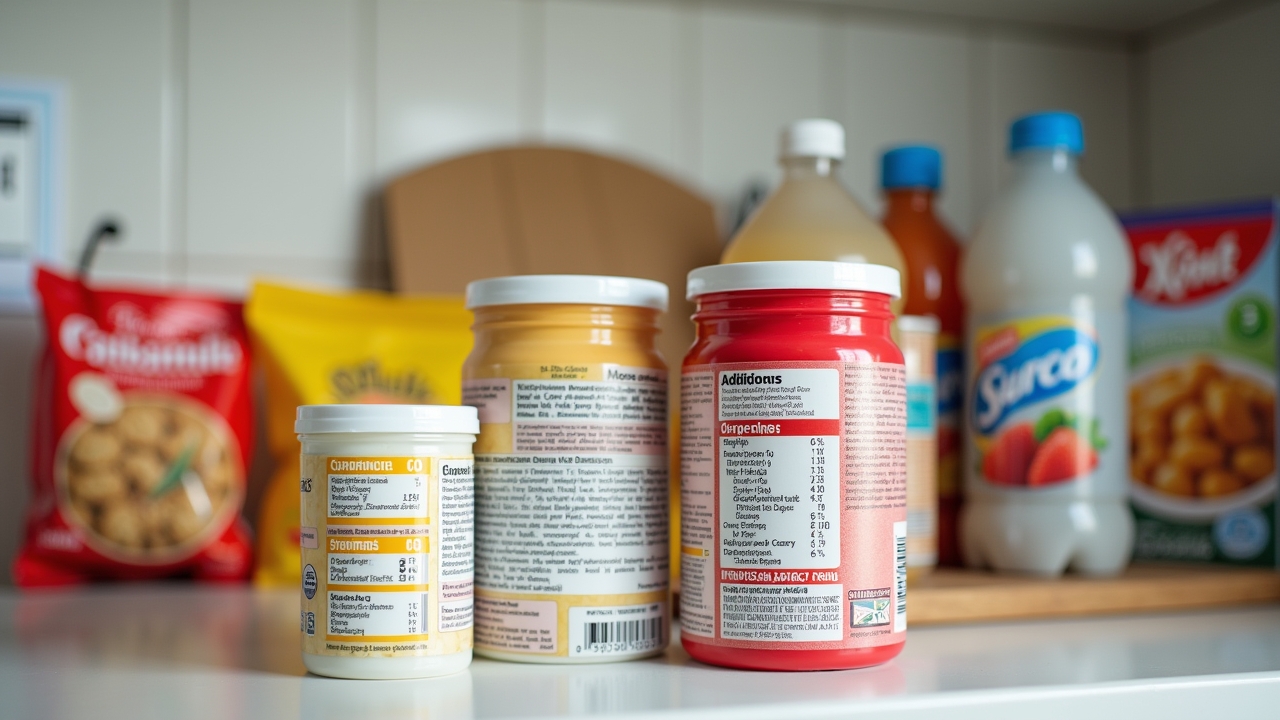
Wrong. When I started reading ingredient labels — like really reading them — I was shocked at how much hidden sugar, sodium, and preservatives were packed into everyday items. That jarred pasta sauce? It had more sugar per serving than some cookies. My “whole wheat” bread had a list of ingredients longer than my grocery receipt.
Small Swaps That Actually Made a Difference
I’m not gonna sit here and pretend I overhauled my entire diet overnight because that would be a lie. What worked for me was making small, sustainable changes over time. Here’s what helped the most:
- Swapping packaged snacks for whole foods like nuts, fruit, and hummus with veggies.
- Cooking simple meals at home using real ingredients — even just three nights a week at first.
- Reading nutrition labels and avoiding anything with more than five or six unrecognizable ingredients.
- Reducing my intake of sugary drinks and replacing them with water or herbal tea.
- Prioritizing fiber-rich foods to support my digestive health and gut microbiome.
Within a few months, the bloating calmed down significantly. My energy levels improved, and my next blood work showed my blood sugar had dropped back to normal range. It wasn’t magic — it was just eating less junk.
So Where Do We Go From Here?
Look, I’m not saying you need to become some kind of food purist who never touches a chip again. That’s unrealistic, and honestly, life’s too short. But understanding the relationship between processed foods and chronic disease gives you the power to make better choices — even imperfect ones.
Everyone’s body is different, so what worked for me might need to be tweaked for you. If you have existing health conditions, definitely loop in your doctor or a registered dietitian before making big dietary changes. The goal isn’t perfection; it’s awareness.
If this topic hit home for you, I’d love for you to explore more articles over at Prime Guts. We dive deep into gut health, nutrition, and all the stuff nobody tells you about what’s really going on inside your body. Trust me, your future self will thank you for reading up.