How Sleep Quality Hormones Secretly Run Your Life (And What I Did About It)
Advertisements
Here’s a stat that honestly blew my mind: according to the CDC, roughly 1 in 3 American adults don’t get enough sleep. I was one of them for years. And it wasn’t until I started digging into how sleep quality hormones actually work that I realized my lousy nights were messing with way more than just my energy levels!
Look, I used to think sleep was just about feeling rested. But it turns out your hormonal balance is deeply tied to how well you snooze, and when those hormones get out of whack, everything from your mood to your waistline takes a hit. Let me walk you through what I’ve learned — the hard way, mostly.
The Big Players: Melatonin and Cortisol
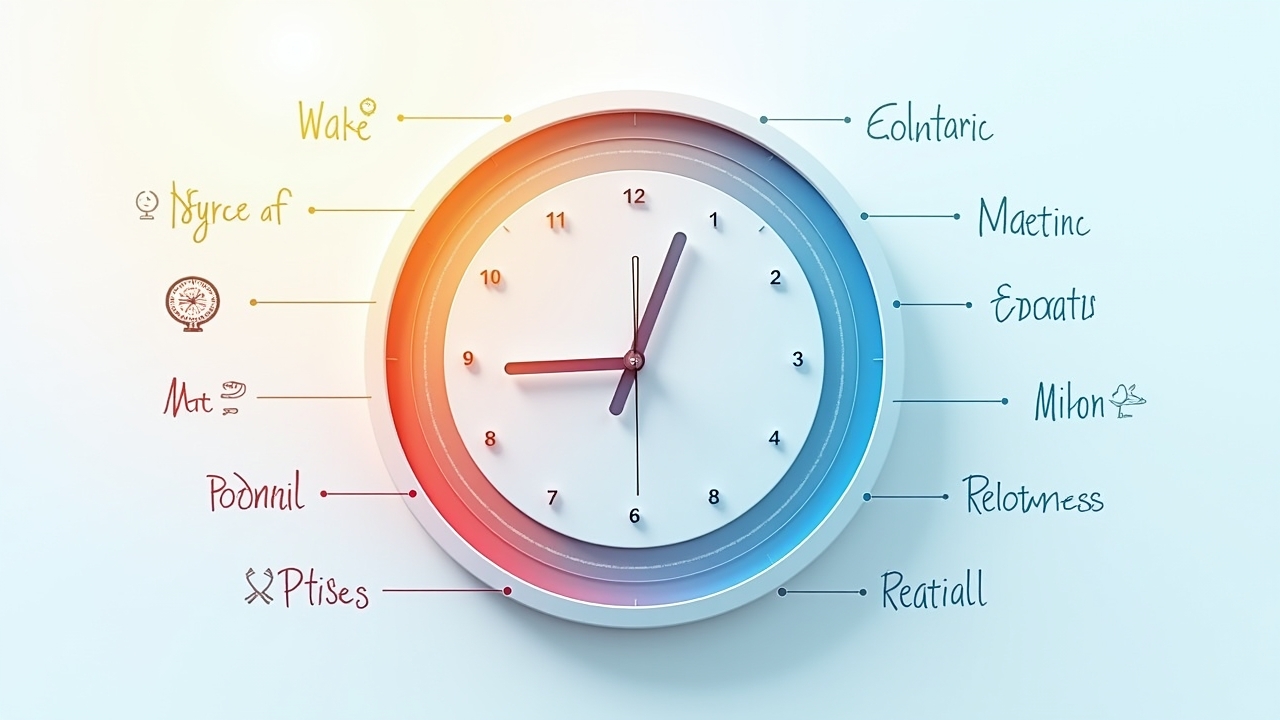
So the first thing I had to wrap my head around was the melatonin-cortisol dance. Melatonin is your body’s natural sleep signal — it rises when it gets dark and tells your brain it’s time to wind down. Cortisol, on the other hand, is the stress hormone that’s supposed to peak in the morning to wake you up.
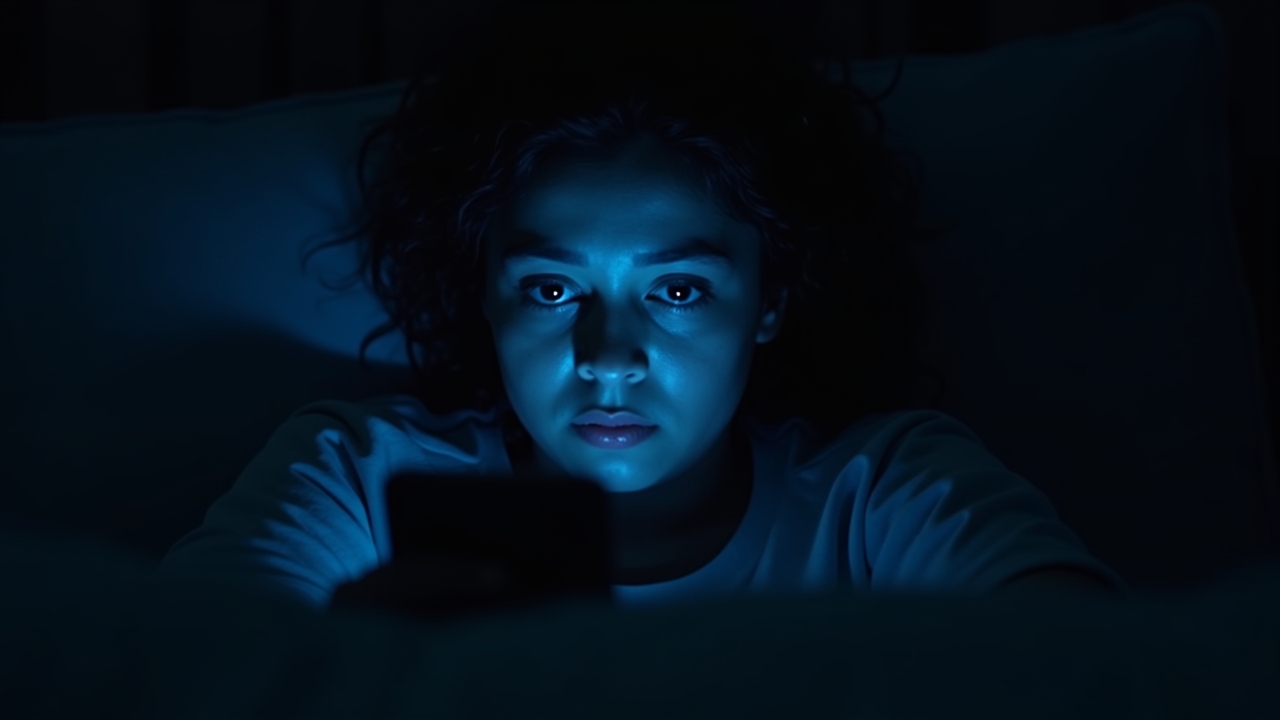
My problem? I was scrolling my phone in bed until midnight, blasting blue light straight into my eyeballs. That was suppressing my melatonin production like crazy. Meanwhile, my cortisol levels were elevated at night because I’d drink coffee at like 4 PM — rookie mistake, honestly.
The Sleep Foundation has a great breakdown on how melatonin works if you want the science behind it. Once I started dimming lights an hour before bed and cutting caffeine after 1 PM, the difference was night and day. Literally.
Growth Hormone: It’s Not Just for Kids
Here’s something that surprised me. Human growth hormone, or HGH, is released primarily during deep sleep — that slow-wave sleep stage most people don’t even know about. It’s responsible for muscle repair, cell regeneration, and even fat metabolism.
When I was getting fragmented, poor-quality sleep, my recovery from workouts was terrible. I’d be sore for days. My trainer actually asked if I was sleeping okay, and I kinda laughed it off at first — but she was right on the money.
Advertisements
Prioritizing uninterrupted sleep cycles made my recovery noticeably faster. If you’re into fitness at all, this alone should make you care about your sleep architecture.
Leptin, Ghrelin, and Why Bad Sleep Made Me Hungry
Okay, this one hit close to home. Leptin is the hormone that tells you you’re full. Ghrelin is the one that screams “feed me!” When you don’t sleep well, leptin drops and ghrelin spikes. It’s basically a recipe for overeating.
I remember a stretch where I was sleeping maybe five hours a night and couldn’t stop snacking. I thought I just had no willpower. Turns out, my appetite hormones were being wrecked by sleep deprivation. A study published in PubMed confirmed exactly this — short sleep duration was associated with reduced leptin and elevated ghrelin.
Once I consistently hit seven-plus hours, those cravings chilled out. It wasn’t magic; it was just hormones doing their thing properly.
Practical Stuff That Actually Helped Me
I’m not gonna pretend I overhauled everything overnight. But these small changes made a real difference in my sleep-wake cycle and overall hormonal health:
- Kept a consistent bedtime — even on weekends (yeah, that was tough).
- Made my bedroom cooler, around 65–68°F, which supports melatonin release.
- Stopped eating heavy meals within two hours of bed.
- Started a simple wind-down routine: herbal tea, a book, no screens.
- Got morning sunlight for at least 10 minutes to reset my circadian rhythm.
None of this is groundbreaking, I know. But doing it consistently? That’s where the results came from.
Your Hormones Are Listening to Your Sleep Habits
If there’s one thing I want you to take away, it’s this: sleep quality hormones aren’t just a nerdy health topic. They directly affect your weight, your mood, your energy, and your long-term wellbeing. And the cool part is, you have more control over them than you probably think.
That said, everybody’s different. What worked for me might need tweaking for you, and if you suspect a serious hormonal imbalance or sleep disorder, please talk to a healthcare professional. Don’t just self-diagnose on the internet — trust me, I tried that too and it wasn’t great.
Want more tips on optimizing your health from the inside out? Head over to the Prime Guts blog — we’ve got a ton of posts that dive deeper into gut health, hormones, and feeling your best. Go have a look, your body will thank you!