The Gut-Friendly Meal Plan That Actually Saved My Digestion (After Years of Getting It Wrong)
Advertisements
Here’s a stat that absolutely floored me — roughly 70 million Americans deal with some form of digestive disease. I was one of them for longer than I’d like to admit. After years of bloating, random stomach cramps, and feeling like my gut was basically at war with everything I ate, I finally stumbled into building a gut-friendly meal plan that changed everything!
Look, I’m not a doctor. But I am someone who spent way too many evenings curled up on the couch wondering why my stomach hated me, and I’ve learned a thing or two along the way that I genuinely think can help you too.
Why Your Gut Deserves Its Own Meal Plan
So here’s the thing most people don’t realize — your gut microbiome is basically a whole ecosystem living inside you. We’re talking trillions of bacteria, and they need the right fuel to keep things running smooth. When I first heard about the gut-brain connection, I honestly thought it sounded a little woo-woo.
Turns out, it’s legit science. A well-structured digestive health diet doesn’t just fix your stomach — it can improve your mood, energy levels, and even how well you sleep. I noticed the sleep thing first, actually, which was a total surprise.
My Biggest Mistakes Before Finding What Works
Oh man, where do I start. My first attempt at an anti-inflammatory eating plan was basically me eating plain yogurt and bananas for every meal. Spoiler alert — that got old real fast and didn’t even work that well.
Then I went through a phase where I was dumping probiotic supplements into my body like candy, completely ignoring prebiotic foods. That’s like planting seeds in concrete, by the way. You need both prebiotics and probiotics working together, and I learned that the hard way after spending a small fortune on supplements that were basically wasted.
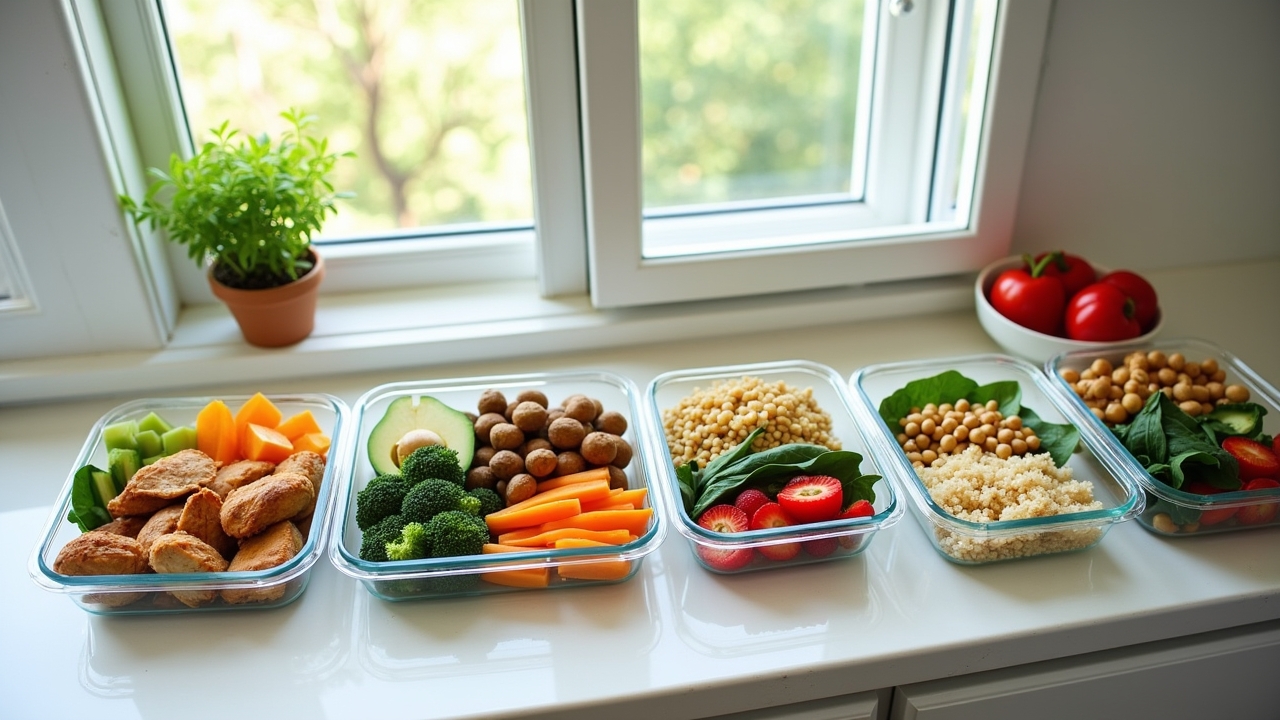
A Simple 7-Day Gut-Friendly Meal Plan Framework
Alright, here’s the practical stuff you came for. This isn’t a rigid “eat exactly this” kind of thing — it’s more of a framework I use weekly that keeps my microbiome happy. Feel free to swap things around based on what you like.
Advertisements
- Breakfasts: Overnight oats with chia seeds and berries, or a smoothie loaded with kefir, spinach, and a banana. I rotate between these almost every morning.
- Lunches: A big salad with fermented vegetables like kimchi or sauerkraut on top, paired with grilled chicken or lentils for fiber-rich protein.
- Dinners: Baked salmon with roasted sweet potatoes and steamed broccoli one night, a bone broth-based soup with whole grains the next. Variety is honestly key here.
- Snacks: Almonds, a small portion of Greek yogurt, or sliced apples with almond butter. Keep it simple.
The real game-changer for me was incorporating fermented foods daily. Kimchi, miso, kombucha — these probiotic-rich foods started showing results within like two weeks. My bloating reduced dramatically, and I felt lighter after meals for the first time in years.
Quick Tips That Made a Huge Difference
Beyond the meal plan itself, a few small habits really amplified the results. First, I started eating slower — sounds dumb, but chewing your food properly is massively underrated for gut healing. Second, I cut way back on artificial sweeteners because they were absolutely wrecking my gut bacteria diversity.
Also, and this is kind of a tangent but it matters — stress management played a bigger role than I expected. All the high-fiber foods and probiotic supplements in the world won’t fully fix your digestion if your cortisol levels are through the roof. I started doing ten minutes of deep breathing before dinner, and honestly it helped more than some dietary changes did.
Your Gut, Your Rules
Here’s what I really want you to take away from this — a gut-friendly meal plan isn’t one-size-fits-all. What worked for my digestive system might need tweaking for yours. Some people thrive on more fermented dairy while others do better with plant-based probiotics, and that’s totally fine.
Just remember to introduce new foods gradually, especially high-fiber and fermented options, because going too hard too fast can actually make bloating worse temporarily. And please, if you’re dealing with serious symptoms like persistent pain or blood in your stool, see a gastroenterologist before relying on any meal plan.
Start small, stay consistent, and listen to your body. It’s smarter than we give it credit for. If you want more tips on improving your digestive health naturally, check out more posts on Prime Guts — we’re all about helping you build a happier, healthier gut one meal at a time!