
How to Heal Your Gut After Antibiotics: What Actually Worked for Me
Advertisements
Here’s a stat that honestly blew my mind — a single course of antibiotics can wipe out up to 30% of your gut bacteria in just a few days. I learned this the hard way after a nasty sinus infection left me popping amoxicillin for ten days straight. What followed was weeks of bloating, weird digestion, and this general feeling of being “off” that I couldn’t shake. If you’re trying to heal your gut after antibiotics, trust me, I’ve been down that road and I’ve got some real talk for you.
Why Antibiotics Wreck Your Gut in the First Place
So antibiotics are kinda like a carpet bomb for your insides. They don’t just kill the bad bacteria causing your infection — they take out a ton of the good guys too. Your gut microbiome, which is this incredible ecosystem of trillions of microorganisms, gets thrown completely out of whack.
I remember asking my doctor about it and she basically said, “Yeah, that’s just what they do.” Not super reassuring, right? The result is something called antibiotic-associated dysbiosis, and it can lead to diarrhea, bloating, weakened immunity, and even mood changes. According to research published in the National Library of Medicine, it can take your gut microbiome anywhere from weeks to months to fully recover.
Start with Probiotics — But Pick the Right Ones
Okay, this was my first mistake. I grabbed the cheapest probiotic off the shelf at the drugstore thinking they were all the same. They’re not. Not even close.
You want to look for strains that have actually been studied for post-antibiotic gut recovery. Lactobacillus rhamnosus GG and Saccharomyces boulardii are two that have solid evidence behind them. The World Gastroenterology Organisation actually recommends S. boulardii specifically for preventing antibiotic-associated diarrhea.
A quick tip from my experience — start taking your probiotic during your antibiotic course, not after. Just space them out by at least two hours. I wish someone had told me that sooner.
Feed Your Good Bacteria with Prebiotic Foods
Probiotics get all the hype, but prebiotics are honestly the unsung hero here. Think of prebiotics as food for the beneficial bacteria you’re trying to grow back. Without them, those probiotics you’re taking don’t have much to work with.
Advertisements
Here are some prebiotic-rich foods that became staples in my kitchen:
- Garlic and onions (cooked was easier on my sensitive stomach)
- Bananas — especially the slightly green ones
- Oats and whole grains
- Asparagus and leeks
- Jerusalem artichokes
I’m not gonna lie, the first few days of eating more fiber felt rough. There was extra gas and some discomfort. But it settled down pretty quickly, and within a week or so things started feeling noticeably better.
Fermented Foods Are Your Best Friend
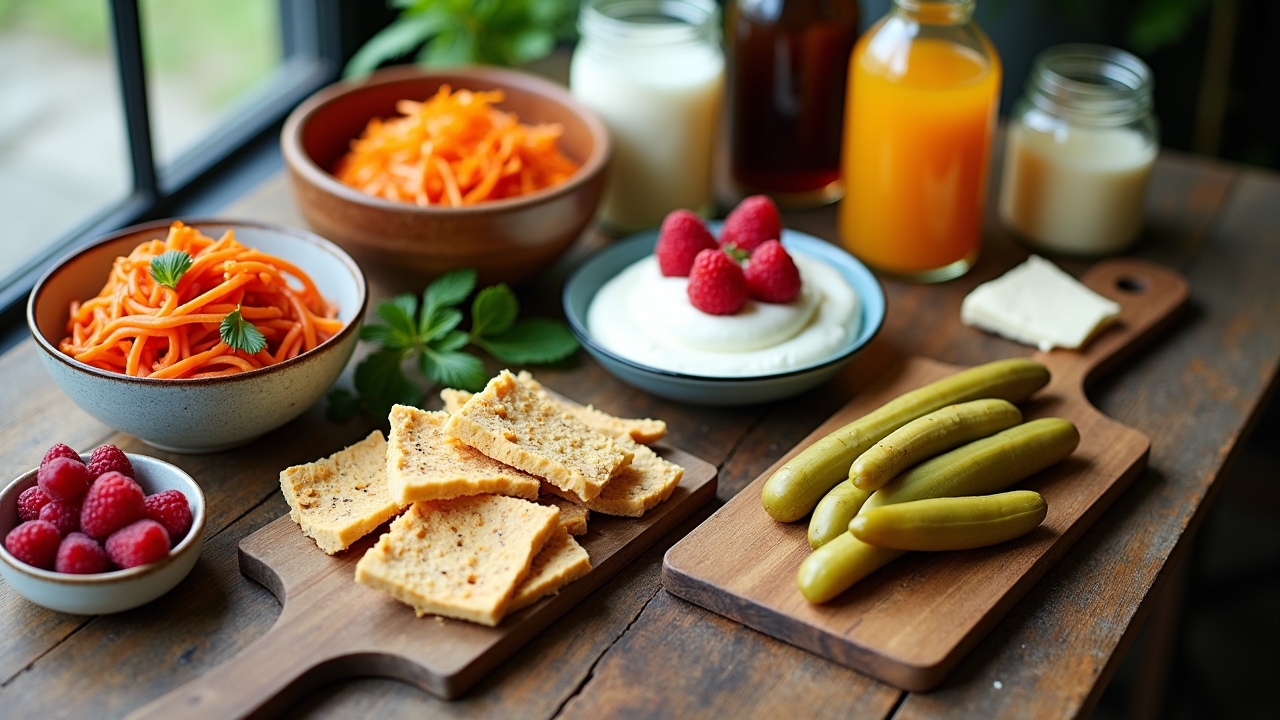
This is where things got fun for me. I started incorporating fermented foods like yogurt, kefir, sauerkraut, and kimchi into my daily routine. These foods are packed with live cultures that help restore gut flora naturally.
A Stanford study published in Cell found that a diet high in fermented foods significantly increased microbiome diversity over just ten weeks. That’s huge! I became a bit of a kefir addict honestly — the stuff grew on me, pun totally intended.
What to Avoid While Your Gut Recovers
Just as important as what you eat is what you don’t eat during gut recovery. I learned this after sabotaging my own progress with weekend junk food binges.
- Processed sugars — they feed harmful bacteria and yeast like Candida
- Alcohol — it irritates the gut lining and disrupts microbiome balance
- Artificial sweeteners — some studies suggest they can negatively alter gut bacteria
- Highly processed foods — low in fiber, high in additives your gut doesn’t need right now
I’m not saying you gotta be perfect. But giving your gut a break from this stuff for even a few weeks can make a real difference in how fast your digestive health bounces back.
Don’t Sleep on Bone Broth and L-Glutamine
Okay, side tangent — I used to think bone broth was just a trendy wellness fad. Then I tried sipping on it daily while recovering and my bloating literally calmed down within days. Bone broth contains collagen and amino acids like L-glutamine that support the intestinal lining and help repair leaky gut.
You can also find L-glutamine as a supplement if bone broth isn’t your thing. I take about 5 grams a day and it’s been a game-changer for keeping my stomach happy.
Your Gut’s Comeback Story Starts Now
Look, healing your gut after antibiotics isn’t an overnight fix — it’s more of a journey. But with the right combination of probiotics, prebiotics, fermented foods, and cutting back on the junk, your microbiome can absolutely bounce back stronger than before.