
Advertisements
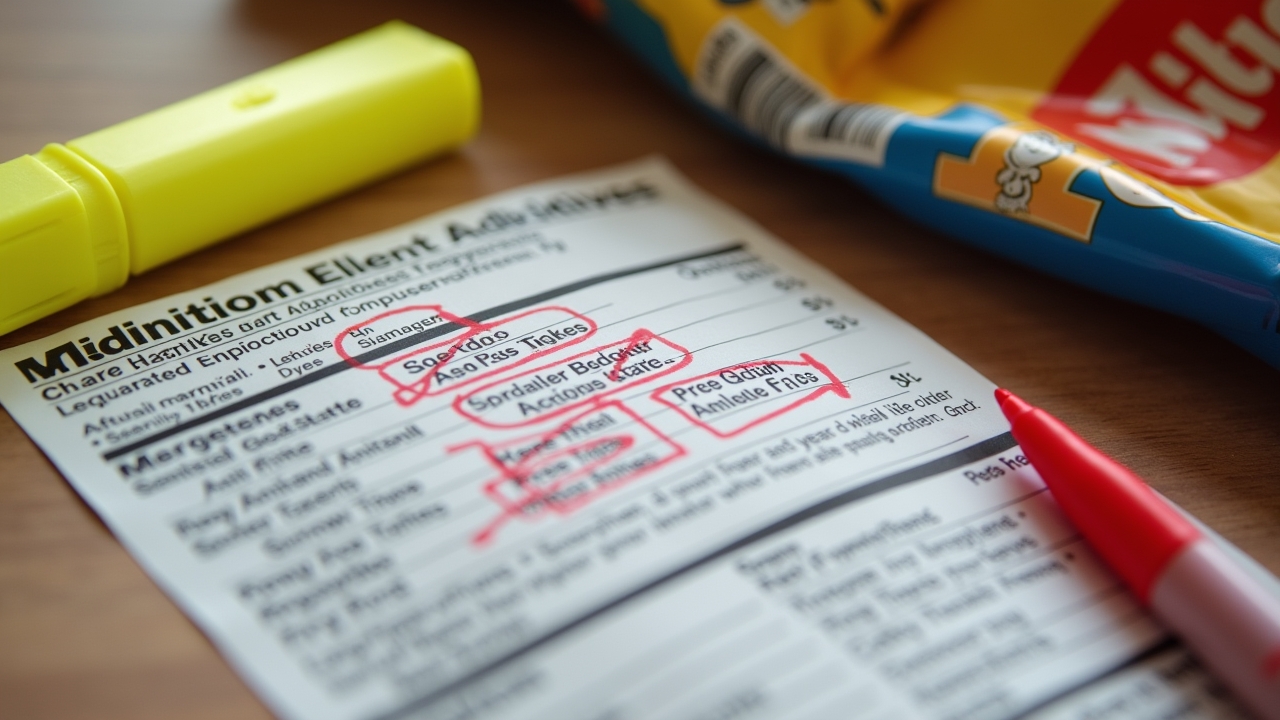
Here’s a wild stat that honestly stopped me in my tracks: according to the FDA, more than 54% of Americans say they check nutrition labels when shopping — but most of them don’t actually understand what they’re reading! I was definitely one of those people for years. I’d flip a box around, stare at the numbers, nod like I knew what was going on, and toss it in my cart anyway.
Learning how to read a nutrition label properly changed the way I eat, how I feel, and honestly even how I grocery shop. It’s one of those life skills that nobody really teaches you in school but absolutely should. So let me walk you through it the way I wish someone had walked me through it ten years ago.
Start With the Serving Size — Seriously, Don’t Skip This
Okay so this is where I messed up for the longest time. I used to look at a bag of chips and think “oh, 150 calories, that’s not bad at all.” Turns out that was 150 calories per serving, and the bag contained like 4 servings. I was eating 600 calories in one sitting and had no clue.
The serving size is listed right at the top of the nutrition facts panel. Everything below it — calories, fat, sodium, all of it — is based on that one serving. So if you eat double the serving size, you gotta double every single number on that label.
Pro tip from someone who learned the hard way: compare the serving size to how much you actually eat. You’d be surprised how often they don’t match up.
Calories Tell You the Energy, Not the Whole Story
Calories get way too much attention if you ask me. Yeah, they matter — they tell you how much energy you’re getting from one serving. But I’ve seen people grab a “100 calorie” snack pack that’s loaded with sugar and sodium while ignoring a 250-calorie handful of almonds that’s packed with healthy fats and protein.
A good rule of thumb from the American Heart Association is that 40 calories per serving is considered low, while 400 or more is high. But context matters a ton here. What those calories are made of is just as important as the number itself.
Advertisements
The Nutrients You Want to Limit
This section used to confuse me the most. There’s a bunch of nutrients listed and I never knew which ones were “good” and which ones were “bad.” Here’s the simple breakdown that finally clicked for me:
- Saturated fat — try to keep this low. It’s been linked to heart disease when consumed in excess.
- Trans fat — avoid this completely if you can. Even 0g on the label can mean up to 0.5g per serving, which is sneaky.
- Sodium — this one got me bad. I was eating canned soups thinking they were healthy, but some had over 800mg of sodium per serving. That’s like a third of your daily value!
- Added sugars — this is different from total sugars. Added sugars are the ones manufacturers throw in during processing, and they add up fast.
The Nutrients You Actually Want More Of
On the flip side, there are nutrients you want to see in higher amounts. Dietary fiber, vitamin D, calcium, iron, and potassium are all highlighted on the updated food label for a reason — most Americans don’t get enough of them. I started paying attention to fiber content specifically and my digestion improved dramatically. Not glamorous, but true.
The Percent Daily Value Trick
The % Daily Value column on the right side is actually your best friend once you understand it. It’s based on a 2,000 calorie diet, which won’t be perfect for everyone, but it gives you a solid reference point. Here’s the quick cheat: 5% DV or less is low, and 20% DV or more is high. That’s it. Use that for everything on the label and you’ll make smarter choices instantly.
Don’t Forget the Ingredient List
This part gets overlooked all the time. Ingredients are listed in order by weight, meaning whatever’s first is what the product contains the most of. If sugar or some variation of it (high fructose corn syrup, dextrose, maltose) shows up in the first three ingredients, that’s a red flag. I once bought a “whole grain” bread where the first ingredient was actually enriched wheat flour. Whole grain was like fourth on the list. Felt totally duped.
Your Cart Is Your Control Panel
Look, nobody’s expecting you to become a nutritionist overnight. I still grab the occasional junk food — I’m human. But once you know how to read a nutrition label properly, you start making choices that are actually informed instead of just hopeful. It’s empowering, honestly.
Remember, everyone’s dietary needs are different. What works for me might not be right for you, so always consider your own health conditions and goals. And if you have specific medical concerns, chatting with a registered dietitian is always a smart move.
If you found this helpful and want more practical tips on eating better and feeling great, check out more posts over at Prime Guts. We’re all about making nutrition less confusing and way more doable. See you there!