Advertisements
Did you know that roughly 48 million Americans get food poisoning every year? That’s about 1 in 6 people. I was one of them last summer, and honestly, it was one of the worst 48 hours of my life. I made the rookie mistake of eating leftover rice that had been sitting out a little too long. Big mistake. Huge.
After that ordeal, I became kind of obsessed with figuring out the best way to bounce back. Because once the vomiting stops and the fever breaks, you’re left feeling completely wiped out — and your gut is basically in ruins. So let’s talk about real gut recovery after food poisoning, what actually works, and what I wish someone had told me sooner.
Why Your Gut Takes Such a Hit
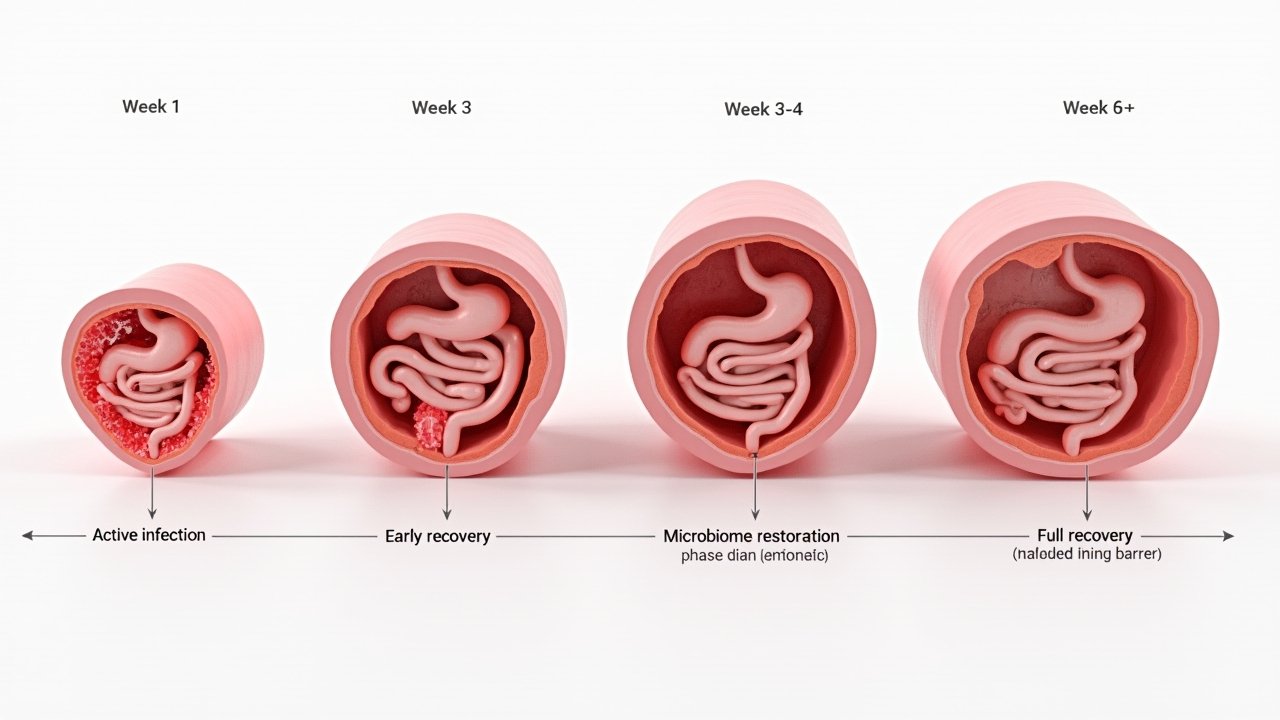
Food poisoning isn’t just an upset stomach. It’s your body going to war against harmful bacteria like Salmonella, E. coli, or Listeria. According to the CDC, these pathogens can seriously inflame your intestinal lining. That inflammation wrecks the delicate balance of your gut microbiome — the trillions of good bacteria that keep your digestion running smoothly.
Translation? Even after you feel “better,” your gut is still recovering. You might notice bloating, loose stools, or just a general blah feeling for days afterward. That’s totally normal, and it’s your body asking for some TLC.
Start With the BRAT Diet (But Don’t Stay There Forever)
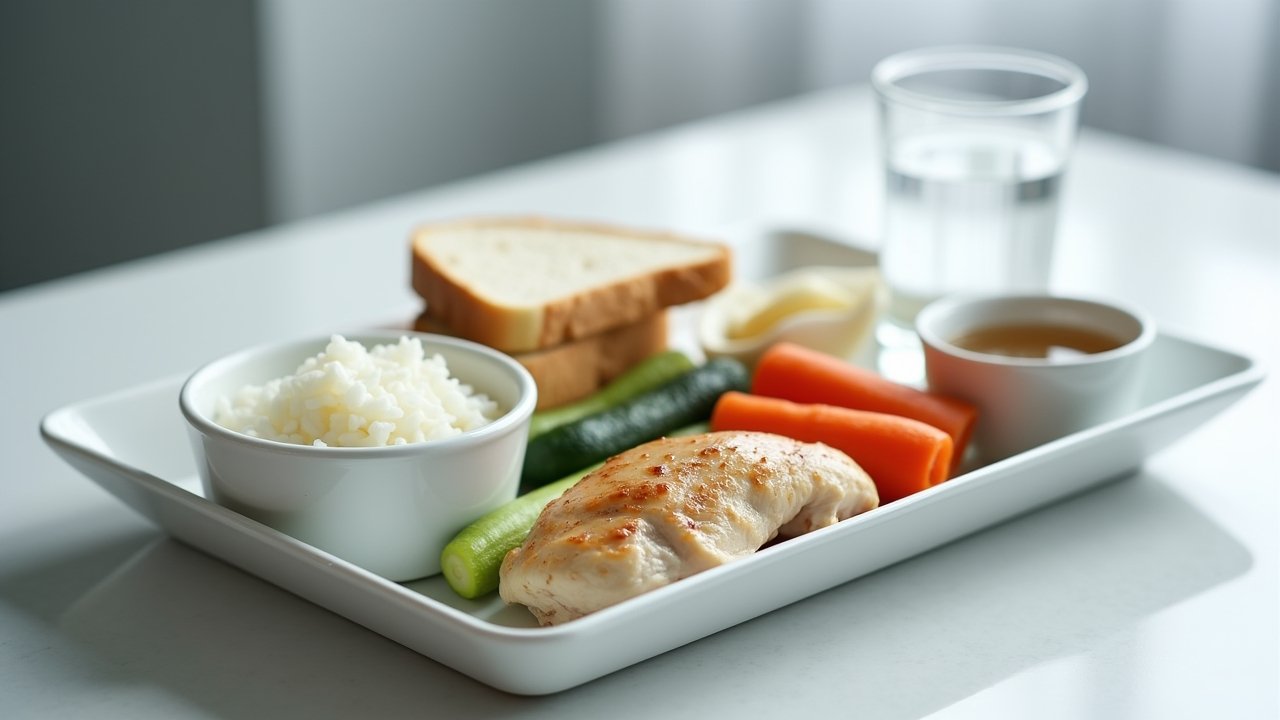
The classic advice still holds up. When you’re in the early recovery phase, stick to the BRAT diet — Bananas, Rice, Applesauce, and Toast. These foods are gentle on an irritated digestive system and help firm things up. I lived on plain white rice and bananas for about two days, and it genuinely helped.
That said, don’t stay on BRAT forever. It’s low in protein and nutrients, so your body won’t be able to fully heal on it alone. Think of it as a bridge, not a destination. After 24–48 hours, start slowly introducing other easy-to-digest foods.
Advertisements
Foods That Actually Help Your Gut Heal
Once you’re past the worst of it, certain foods can actively support gut repair. Here’s what helped me — and what the science backs up:
- Plain yogurt with live cultures — Probiotics help replenish the good bacteria wiped out during your illness. Look for labels that say “live and active cultures.” The Harvard Health Blog has a solid breakdown on why probiotics matter for gut restoration.
- Bone broth — This stuff is liquid gold for a recovering gut. It’s easy to digest, rich in collagen, and helps soothe intestinal inflammation.
- Boiled sweet potatoes — Packed with fiber and beta-carotene, they’re gentle enough for a sensitive stomach and help feed beneficial gut bacteria.
- Ginger tea — One of my personal favorites. Ginger has natural anti-inflammatory properties and can help calm nausea that sometimes lingers after food poisoning.
- Fermented foods — Once you’re feeling stronger, things like kefir, kimchi, and sauerkraut are fantastic for rebuilding a healthy gut microbiome.
Hydration Is Non-Negotiable
I cannot stress this enough. Dehydration is one of the biggest risks with food poisoning, and it slows down your recovery big time. Water is great, but after all that vomiting and diarrhea, your body has also lost electrolytes. Try sipping on an oral rehydration solution or even just coconut water. Small sips, frequently. Don’t chug — trust me, learned that the hard way.
What to Avoid During Gut Recovery
Just as important as what you eat is what you skip. Avoid dairy (except for plain yogurt), fried foods, spicy stuff, alcohol, and anything high in fat or sugar. These can irritate an already inflamed gut and set your recovery back by days. Also, hold off on caffeine — I know, I know. But your gut will thank you.
Your Gut Will Thank You Later
Recovering from food poisoning takes patience. It’s not a race, and pushing your body too fast will only make things worse. The good news? With the right gut recovery foods — probiotics, bone broth, hydration, and gentle fiber — most people start feeling significantly better within a week.
Remember, everyone’s body is a little different. What worked for me might need some tweaking for you. Always listen to your body, and if symptoms last more than a week or include severe pain or bloody stools, please see a doctor. That’s not something to mess around with.
If you found this helpful and want to keep learning about gut health, digestion, and how to feel your best from the inside out, head over to Prime Guts — there’s a ton of great content waiting for you over there. Your gut deserves the best!