
How Your Gut Microbiome Affects Your Mood (And What I Learned the Hard Way)
Advertisements
Here’s a stat that honestly blew my mind: roughly 95% of your body’s serotonin is produced in your gut, not your brain. Let that sink in for a second. I spent years thinking my random bouts of anxiety and low mood were purely a “head thing,” and it turns out my gut microbiome mood connection was something I’d been completely ignoring!
Understanding how gut bacteria influence mental health has genuinely changed how I approach my own well-being. So let me walk you through what I’ve learned — the science, the mistakes, and the stuff that actually helped.
The Gut-Brain Axis: Why Your Belly Talks to Your Brain
Okay, so there’s this thing called the gut-brain axis. It’s basically a two-way communication highway between your digestive system and your central nervous system. Your gut microbiota — those trillions of bacteria living in your intestines — send chemical signals through the vagus nerve that directly impact how you feel emotionally.
I remember reading about this for the first time and thinking it sounded like pseudoscience. But nope, it’s legit. Certain beneficial bacteria like Lactobacillus and Bifidobacterium actually produce neurotransmitters like GABA and serotonin, which play huge roles in regulating anxiety and depression.
My Embarrassing Wake-Up Call
A couple years back, I went through this phase where I was eating like a college freshman — fast food, barely any vegetables, and way too much sugar. My mood tanked. I’m talking irritable, foggy, couldn’t focus on anything for more than ten minutes.
I assumed it was just stress from work. Went to my doctor, got bloodwork done, everything came back “normal.” It wasn’t until a friend casually mentioned gut health and emotional well-being that I started connecting the dots. Turns out my intestinal flora was probably in shambles.
What the Research Actually Says
Studies have been piling up over the last decade showing a clear link between gut dysbiosis and mood disorders. A landmark study published in Nature Microbiology found that people with depression had consistently lower levels of specific gut bacteria compared to those without depression. That’s not a coincidence.
Advertisements
Inflammation is a big part of the story too. When your gut lining gets compromised — sometimes called “leaky gut” — inflammatory molecules can enter your bloodstream and mess with brain function. Chronic gut inflammation has been linked to increased symptoms of anxiety and depressive episodes.
What Actually Helped Me Feel Better
Here’s where it gets practical. After doing a ton of reading, I made some changes that honestly made a noticeable difference within a few weeks.
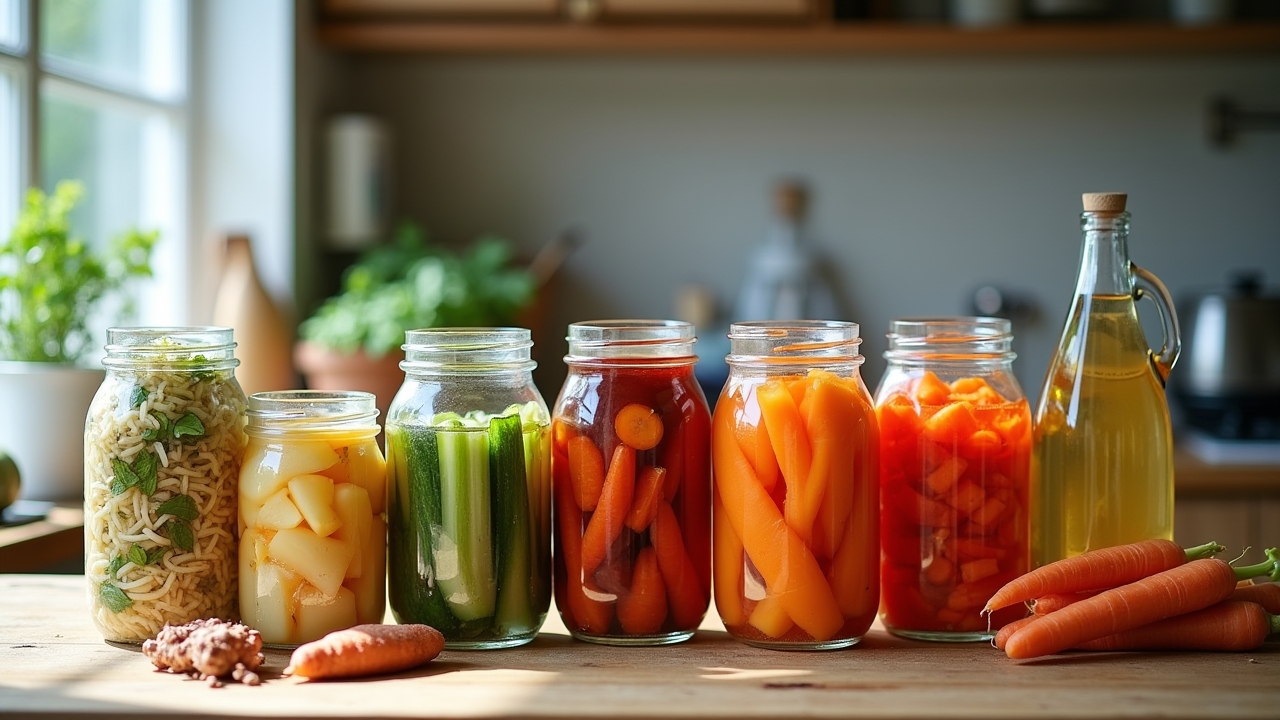
- Fermented foods became my best friend. Kimchi, yogurt, kefir, sauerkraut — I started eating at least one serving daily. These are loaded with probiotics that support microbial diversity.
- I cut back on processed sugar. This was hard, not gonna lie. But sugar feeds harmful bacteria and can worsen gut imbalance.
- Prebiotic fiber changed the game. Foods like garlic, onions, bananas, and oats feed the good bacteria already in your gut. I wasn’t eating nearly enough of these before.
- I tried a probiotic supplement. Specifically one with Lactobacillus rhamnosus, which has shown promise in reducing anxiety-like behavior in studies.
- Sleep and stress management. Your gut microbiome is sensitive to cortisol levels. I started prioritizing seven to eight hours of sleep and added short meditation sessions.
One mistake I made early on was going overboard with supplements without fixing my diet first. A probiotic capsule can’t undo a daily diet of pizza and soda. Foundation matters.
A Quick Side Note on Psychobiotics
There’s a growing field around something called psychobiotics — specific probiotics that have been shown to have mental health benefits. It’s still relatively new, but the early research is super promising. Just don’t expect miracles overnight, and always talk to a healthcare professional before starting anything new.
Your Gut Deserves More Credit Than You’re Giving It
Look, I’m not saying fixing your gut microbiome is a magic cure for depression or anxiety. Mental health is complicated, and everyone’s situation is different. But the gut microbiome mood connection is real, and for a lot of people it’s a missing piece of the puzzle that gets overlooked.
Start small. Add some fermented foods, eat more fiber, maybe cut back on the junk for a week and see how you feel. Your body will usually tell you when something’s working. And please, if you’re dealing with serious mental health challenges, work with a professional — dietary changes should complement treatment, not replace it.
If this kind of stuff interests you, I’d love for you to explore more over at the Prime Guts blog. We dig into gut health topics regularly, and there’s always something new to learn. Your second brain deserves the attention!