
Advertisements
Did you know that you can be iron deficient without being anemic? I didn’t either — until my doctor sat me down and explained why I’d been feeling like a zombie for months despite “normal” blood work. It was frustrating, honestly. I kept thinking, if my tests are fine, why do I feel so awful? Turns out, iron deficiency without anemia is way more common than people realize, and it flies under the radar all the time.
What Is Iron Deficiency Without Anemia, Exactly?
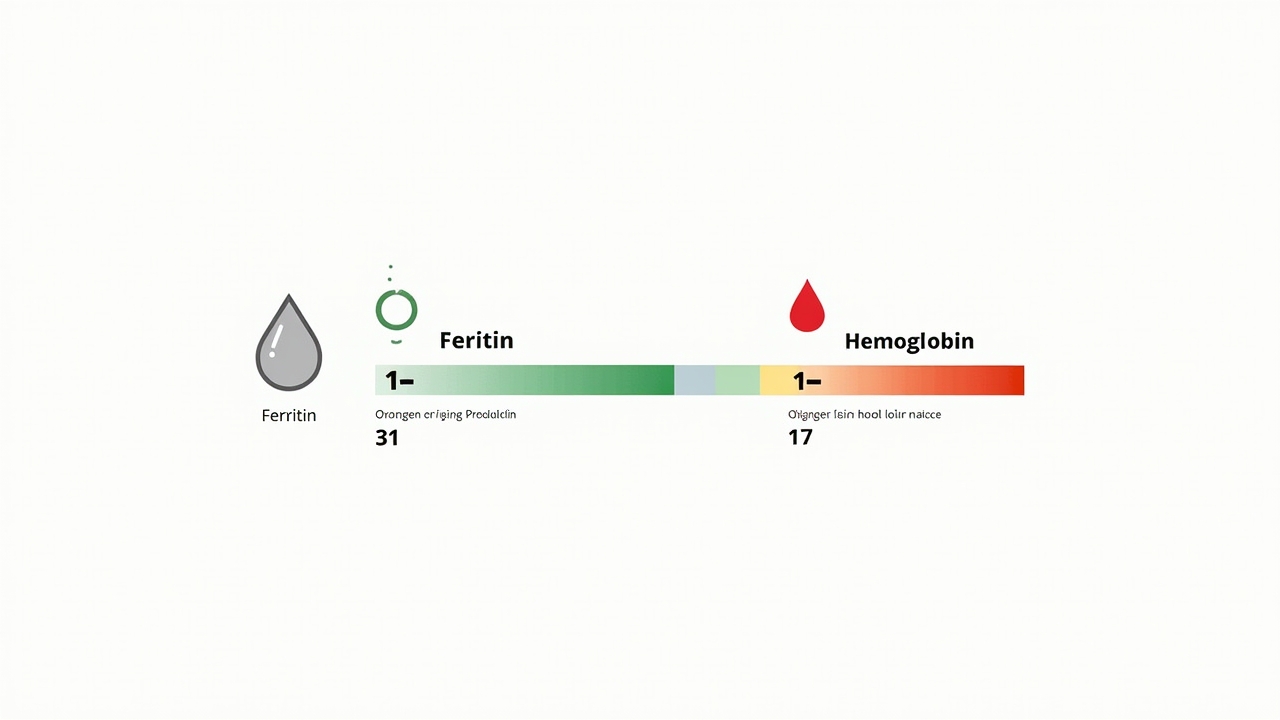
So here’s the deal. Anemia happens when your red blood cell count drops too low. But iron deficiency? That can start way before anemia ever shows up. Your body’s iron stores — measured by a protein called ferritin — can be running dangerously low while your hemoglobin still looks totally normal on paper. That’s the sneaky part.
Doctors sometimes call this non-anemic iron deficiency or iron depletion. It’s the first stage of iron deficiency, before things get serious enough to affect your red blood cells. Think of it like your phone being at 15% battery — it’s still working, but not for long.
Symptoms That Are Easy to Brush Off
This is where it gets personal for me. I was tired all the time. Like, drag-yourself-out-of-bed, can’t-focus-at-work tired. I also had this weird thing where my legs felt restless at night — super annoying. I just blamed stress and bad sleep for way too long.
Common symptoms of iron deficiency without anemia include:
- Persistent fatigue and low energy
- Brain fog or trouble concentrating
- Hair thinning or increased shedding
- Brittle nails
- Restless leg syndrome
- Feeling cold all the time
- Mood changes or irritability
These symptoms are easy to write off as “just stress” or “not sleeping enough.” But if several of these sound familiar, it might be worth getting a ferritin blood test specifically — not just a standard CBC panel.
Advertisements
Why Standard Blood Tests Miss It
Here’s something that tripped me up. A regular complete blood count (CBC) won’t catch iron deficiency without anemia. It checks your hemoglobin and red blood cells — which, again, can look perfectly normal at this stage. You have to specifically ask for a serum ferritin test.
Most conventional medicine considers ferritin levels above 12 ng/mL “normal.” But many functional medicine doctors argue that optimal ferritin for feeling your best is closer to 50–100 ng/mL. There’s a big difference between “not anemic” and “actually thriving.” Don’t be afraid to advocate for yourself at the doctor’s office — I learned that the hard way.
Who’s Most at Risk?
Certain people are more prone to this condition. Women of childbearing age are at the top of the list because of monthly blood loss. Vegetarians and vegans can also struggle since plant-based iron (non-heme iron) is absorbed less efficiently than iron from meat sources. Endurance athletes, pregnant women, and people with gut issues like celiac or Crohn’s disease are also in the high-risk group.
I fall into the plant-based category, which probably explains a lot. I thought I was eating enough lentils and spinach — spoiler: I wasn’t being strategic enough about it.
What You Can Actually Do About It
Good news — this is very manageable once you know what you’re dealing with. First things first, get tested. Then, work with your doctor or a registered dietitian to figure out the best approach for your situation.
Some practical steps that helped me:
- Eating iron-rich foods like red meat, lentils, tofu, pumpkin seeds, and dark leafy greens
- Pairing iron-rich foods with vitamin C to boost absorption — like squeezing lemon juice on spinach
- Avoiding coffee or tea right after iron-rich meals (tannins block absorption — who knew!)
- Considering an iron supplement if diet alone isn’t cutting it, but only under medical supervision
Over-supplementing iron without guidance can actually be harmful. Too much iron builds up in your organs and causes its own set of problems. So please, don’t just start popping iron pills on your own.
Your Body Is Trying to Tell You Something
If you’ve been feeling off — tired, foggy, just not yourself — and your blood work keeps coming back “normal,” push for that ferritin test. Iron deficiency without anemia is real, it’s common, and it’s treatable. Don’t let anyone dismiss how you’re feeling just because the standard tests look okay.
Your health journey is your own, and what works for one person might need tweaking for another. Always work with a qualified healthcare provider before making major changes to your diet or supplement routine. And hey, if you found this helpful, there’s a lot more where that came from — head over to Prime Guts and explore other posts on gut health, nutrition, and feeling your absolute best.