
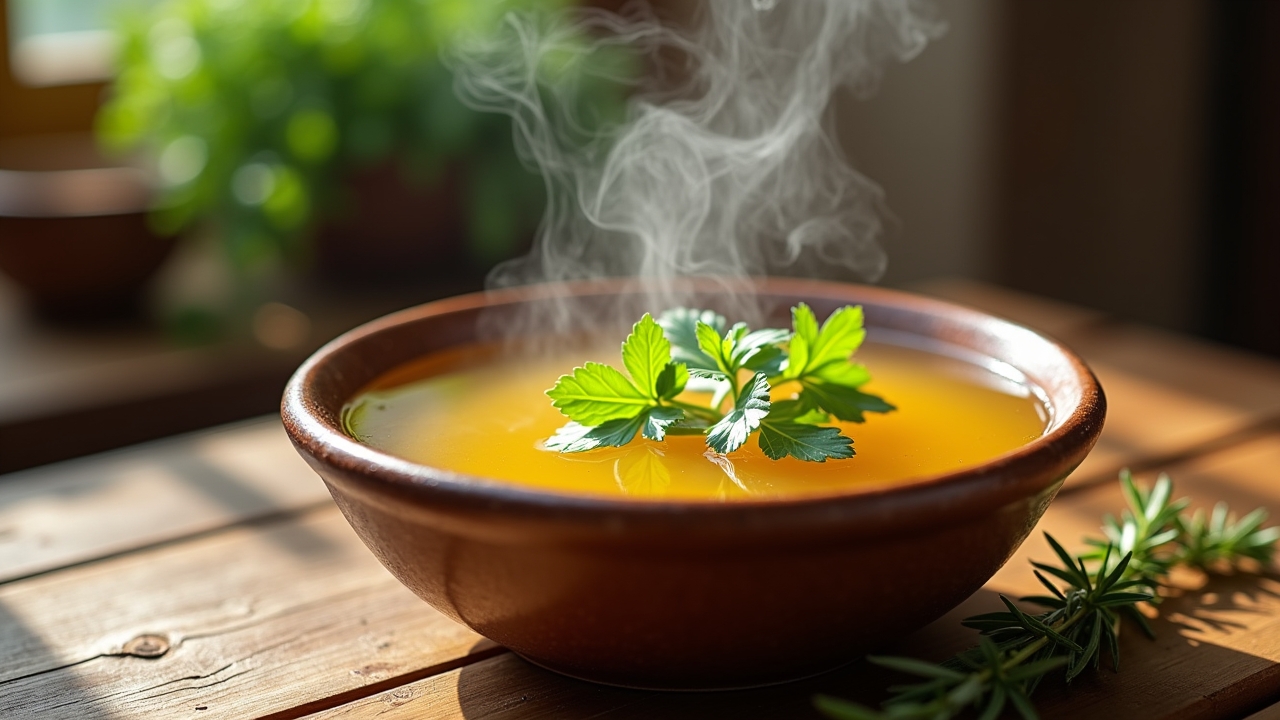
Leaky Gut Syndrome: What I Wish Someone Had Told Me Years Ago
Advertisements
Here’s a stat that honestly blew my mind — roughly 80% of our immune system lives in our gut. Eighty percent! When I first learned that, I was sitting in a gastroenterologist’s office after months of bloating, brain fog, and fatigue that just wouldn’t quit. Turns out, leaky gut syndrome was the culprit behind most of my misery, and understanding it completely changed the way I approach my health.
So What Exactly Is Leaky Gut Syndrome?
Okay, let me break this down the way I wish someone had explained it to me. Your intestinal lining is basically a barrier — think of it like a fine mesh net that only lets tiny, properly digested nutrients pass through into your bloodstream. When that lining gets damaged, the “mesh” develops holes, and suddenly larger particles like undigested food, toxins, and bacteria start leaking through.
The medical term for this is increased intestinal permeability. When those unwanted particles escape into your bloodstream, your immune system freaks out. It triggers widespread inflammation, and that’s where all the fun symptoms come in — and by fun, I mean absolutely terrible.
The Symptoms That Sneaked Up on Me
For the longest time, I thought I was just getting older. My joints ached, I had constant digestive issues, and my skin started breaking out like I was sixteen again. I was also dealing with food sensitivities that seemed to pop up out of nowhere — dairy suddenly became my enemy, and gluten made me feel like I’d swallowed a brick.
Common leaky gut symptoms include:
- Chronic bloating and gas
- Food intolerances and sensitivities
- Fatigue and brain fog
- Skin problems like acne, eczema, or rosacea
- Joint pain and inflammation
- Autoimmune flare-ups
- Mood swings, anxiety, or depression
The tricky part is that these symptoms overlap with a ton of other conditions. That’s honestly why it took me so long to figure out what was going on — I kept getting told it was “just stress.”
What Causes the Gut Lining to Break Down?
This is where I had to take a hard look in the mirror. My diet was, well, not great. Processed foods, too much sugar, and way too many late-night snacks were doing a number on my gut microbiome. But diet isn’t the only thing that damages intestinal permeability.
Advertisements
Chronic stress plays a massive role — and I was basically a walking stress ball for years. Overuse of NSAIDs like ibuprofen, excessive alcohol consumption, and even certain environmental toxins can all weaken that gut barrier. An imbalance in gut bacteria, known as dysbiosis, was also a big factor for me personally.
What Actually Helped Me Heal
I’m not gonna lie — healing my gut was not an overnight thing. It took patience, some trial and error, and a few mistakes along the way. Like that time I went all-in on a restrictive elimination diet without guidance and ended up more nutritionally depleted than before. Don’t do that.
Here’s what genuinely made a difference:
- Removing trigger foods: Gluten, refined sugar, and processed junk were the first to go.
- Adding gut-healing foods: Bone broth, fermented vegetables, and prebiotic-rich foods like garlic and onions became staples.
- Probiotics: A quality multi-strain probiotic supplement helped restore my gut flora balance.
- Managing stress: Meditation and daily walks — sounds cliché, but it worked wonders for my cortisol levels.
- L-glutamine supplementation: This amino acid is been shown to support intestinal barrier repair.
Consistency was the real game-changer, though. I had to commit to these changes for months before I noticed significant improvement in my digestive health.
Your Gut, Your Rules
Look, leaky gut syndrome is still somewhat controversial in mainstream medicine, but the research on intestinal permeability is growing fast and the symptoms are very real. What worked for me might not work exactly the same for you, and that’s completely okay. The important thing is to listen to your body, work with a qualified healthcare professional, and not fall for every miracle supplement you see on Instagram.
If you’re dealing with unexplained symptoms and feel like nobody’s taking you seriously, trust your gut — literally. Start exploring, start learning, and please be patient with yourself through the process. And if you want more practical tips on digestive health and gut wellness, swing by the Prime Guts blog — we’ve got plenty of posts to help you on this journey.