
Advertisements
Here’s a wild stat that honestly blew my mind — progesterone levels in women have been declining over the past few decades, and lifestyle factors are a huge piece of that puzzle. I stumbled onto this topic a couple years ago when I was dealing with terrible sleep, mood swings that made me unbearable to be around, and cycles that were all over the place. My doctor mentioned my progesterone was on the lower end, and I remember thinking, “Okay, but what can I actually DO about this without jumping straight to hormones?” Turns out, there’s quite a bit you can do to support progesterone naturally, and I wish someone had just told me all of this sooner!
Why Progesterone Even Matters (More Than You Think)
So progesterone isn’t just some random hormone floating around — it’s essential for fertility, maintaining pregnancy, regulating your menstrual cycle, and even keeping your mood stable. When your levels dip too low, you might experience things like anxiety, insomnia, irregular periods, and that bloated feeling that just won’t quit. I had no idea that low progesterone was connected to so many of my symptoms until I started digging into it.
The thing is, your body produces progesterone primarily after ovulation. So if you’re not ovulating regularly — which is way more common than people realize — your progesterone levels are gonna suffer. This is where natural hormone balance becomes super important.
Foods That Actually Help Boost Progesterone
I’ll be honest, I used to think diet changes were kind of overrated for hormonal stuff. I was wrong. Eating foods rich in zinc, magnesium, and vitamin B6 can genuinely support your body’s ability to produce progesterone.
Here’s what I started incorporating into my meals:
- Pumpkin seeds and chickpeas for zinc
- Dark chocolate and spinach for magnesium (yes, chocolate — I was thrilled)
- Salmon, bananas, and turkey for vitamin B6
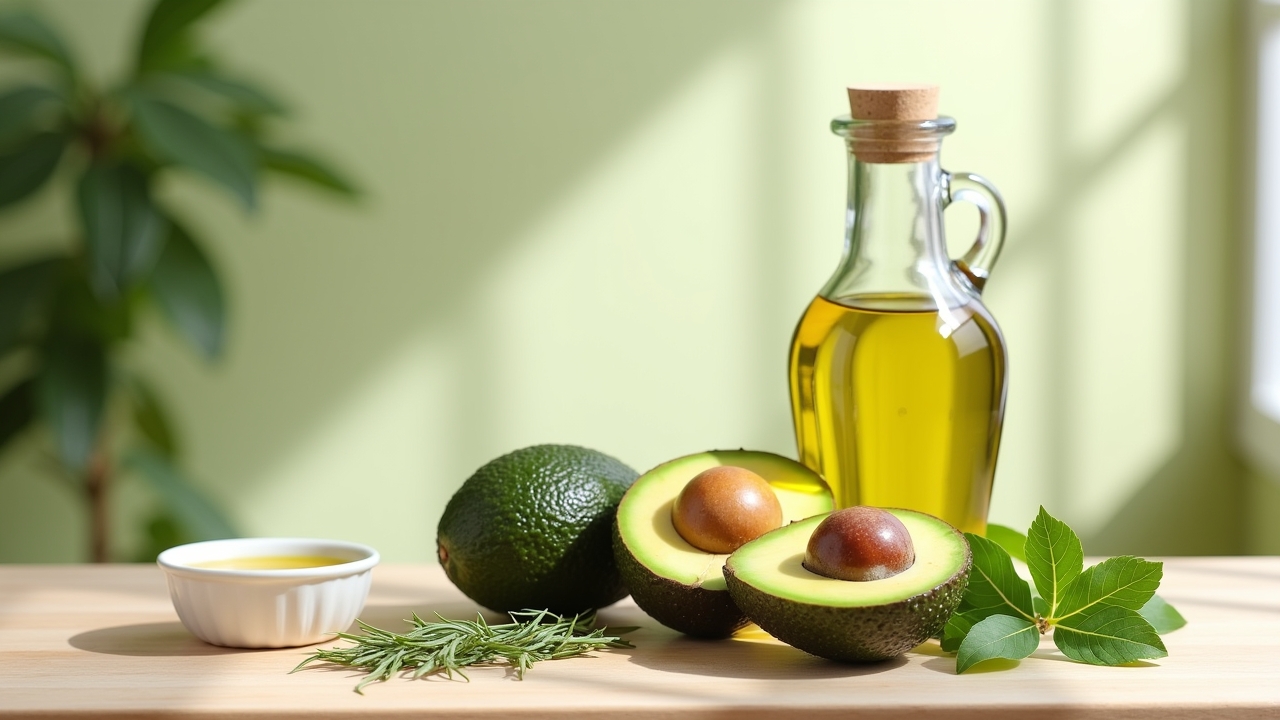
- Healthy fats like avocados, olive oil, and nuts to support overall hormone production
Cholesterol actually serves as the building block for progesterone, so don’t be afraid of healthy fats. I made the mistake of going super low-fat for a while and my hormones were an absolute mess. The Harvard School of Public Health has some great info on why dietary fats matter more than we’ve been told.
Stress Management Is Non-Negotiable
This one was the hardest for me to accept because I’m a “push through it” kind of person. But chronic stress literally steals your progesterone. When your body is pumping out cortisol nonstop, it prioritizes stress hormones over reproductive hormones — a phenomenon sometimes called the pregnenolone steal.
Advertisements
I started doing just 10 minutes of deep breathing before bed and honestly? It made a noticeable difference within a few weeks. Yoga, walking in nature, journaling — whatever calms your nervous system down is going to help your progesterone levels. It sounds too simple, but managing your adrenal health is a game-changer.
Sleep, Exercise, and the Stuff Nobody Wants to Hear
Getting 7-9 hours of quality sleep isn’t just generic wellness advice — it’s directly tied to hormonal balance. I tracked my sleep for a month using a basic app and realized I was averaging like 5.5 hours. No wonder my body was struggling.
Exercise is also important, but here’s where I messed up initially. I was doing intense HIIT workouts five days a week thinking more was better. Over-exercising can actually suppress ovulation and tank your progesterone. Moderate exercise — think brisk walking, strength training, and gentle cycling — tends to work way better for supporting your luteal phase and overall reproductive health.
Herbs and Supplements Worth Looking Into
Vitex (chasteberry) is probably the most well-known herb for progesterone support, and some studies on PubMed suggest it can help regulate the menstrual cycle. I tried it for about three months and noticed my cycles became more predictable. Magnesium glycinate and vitamin C supplements have also been linked to supporting progesterone production, though you should definitely chat with your healthcare provider before starting anything new.
Your Body, Your Experiment
Look, everybody’s hormonal picture is different, and what worked for me might need tweaking for you. The important thing is to pay attention to your body’s signals and not ignore symptoms of low progesterone like irregular cycles, anxiety, or trouble sleeping. These natural approaches — better nutrition, stress reduction, proper sleep, moderate exercise, and targeted supplements — can make a real difference when you’re consistent with them.
Please remember that none of this replaces professional medical advice. If you suspect a hormonal imbalance, get your levels tested by a qualified practitioner. And if you found this helpful, make sure to explore more wellness topics over at Prime Guts — we’re always sharing practical, no-fluff health content that you can actually use!