
Nightshades and Inflammation: My Honest Experience After Cutting Them Out
Advertisements
Here’s a stat that genuinely surprised me — roughly 75% of people with autoimmune conditions report that certain foods make their symptoms worse. And nightshades? They’re practically at the top of every elimination diet list out there. I never thought tomatoes and peppers could be causing my joint pain until I accidentally figured it out during a particularly rough winter.
So What Exactly Are Nightshade Vegetables?
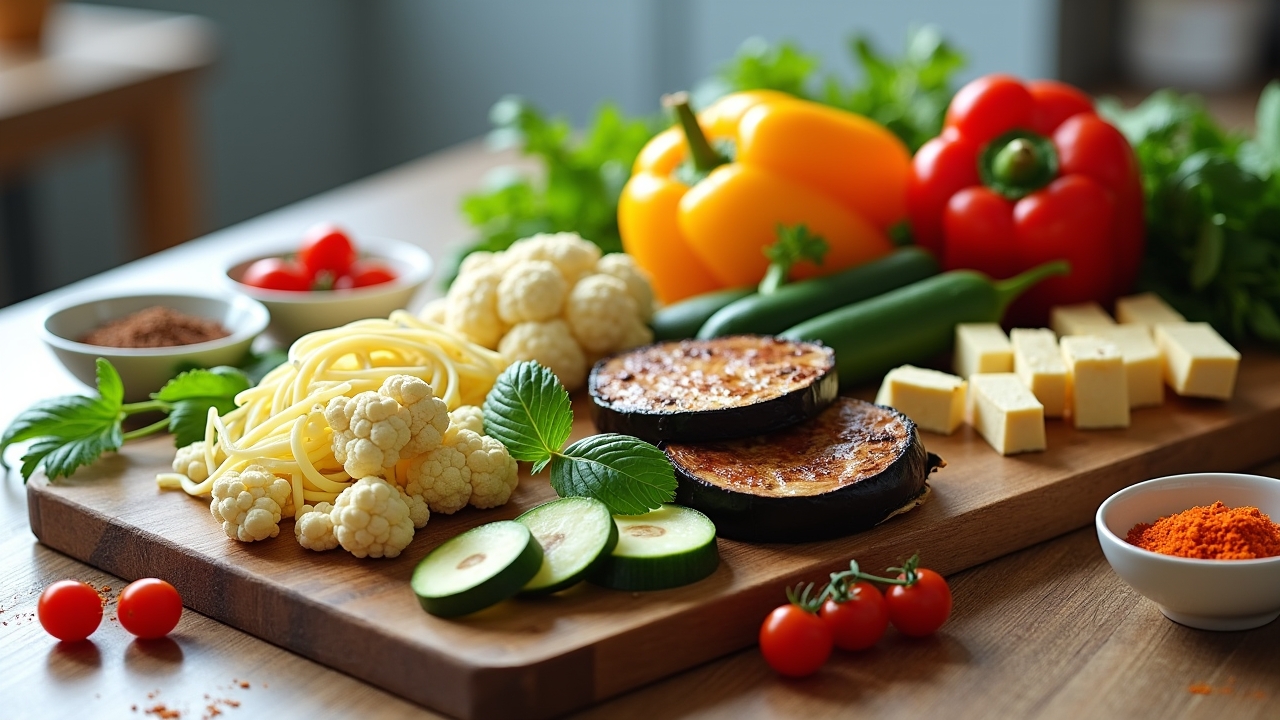
Nightshades belong to the Solanaceae plant family, and they include some of the most beloved foods on the planet. We’re talking tomatoes, bell peppers, eggplant, white potatoes, and all varieties of chili peppers. Even spices like paprika and cayenne fall into this group.
The controversial compounds in these foods are called alkaloids — specifically solanine and capsaicin. These naturally occurring chemicals serve as the plant’s defense mechanism against pests. For most people, they’re completely harmless, but for some of us, they can trigger an inflammatory response that’s honestly pretty miserable.
The Night I Connected the Dots
I gotta be real with you — I spent almost two years blaming my knee stiffness on aging. I’m a 40-year-old teacher, so I figured standing all day was just catching up with me. But then one February, I did a whole30 elimination diet mostly because a coworker wouldn’t stop talking about it.
By week three, my joint pain had decreased dramatically. Like, noticeably. When I reintroduced foods one at a time, I made my mom’s famous stuffed peppers and loaded them with tomato sauce — and the next morning my knees were on fire again.
That was my lightbulb moment. The nightshade sensitivity was real for me, and I felt equal parts relieved and devastated because I genuinely love salsa more than most people love their pets.
Does Science Actually Back This Up?
Here’s where it gets tricky. The scientific evidence linking nightshades to inflammation is honestly mixed. There’s no large-scale clinical study that definitively proves nightshade vegetables cause inflammatory responses in healthy individuals. The research on dietary triggers for autoimmune conditions is still evolving.
Advertisements
However, many rheumatologists and functional medicine doctors acknowledge that nightshade sensitivity exists in a subset of people, especially those with conditions like rheumatoid arthritis, psoriasis, or inflammatory bowel disease. The alkaloids in these foods may increase intestinal permeability — sometimes called leaky gut — which can worsen systemic inflammation in susceptible individuals.
Practical Tips If You Want to Test This Yourself
From personal experience, here’s what actually worked for me:
- Start with a strict 30-day elimination of all nightshade foods, including hidden sources like potato starch in processed foods.
- Keep a detailed food and symptom journal — I used a simple notebook, nothing fancy.
- Reintroduce one nightshade at a time, waiting 72 hours between each to monitor your body’s reaction.
- Pay attention to joint pain, digestive issues, skin flare-ups, and overall energy levels.
- Don’t forget that tobacco is technically a nightshade too, which blew my mind honestly.
One mistake I made early on was not reading labels carefully enough. Potato starch sneaks into everything from shredded cheese to gluten-free baked goods. That frustrated me to no end during my first attempt at elimination.
Finding What Works for Your Body
Look, I’m not here to demonize tomatoes or tell you peppers are poison. For the vast majority of people, nightshade vegetables are nutritious foods packed with vitamins, antioxidants, and fiber. But if you’ve been dealing with chronic inflammation, autoimmune symptoms, or unexplained gut issues and nothing seems to help — an elimination diet might be worth exploring.
Always talk to your doctor or a registered dietitian before making major dietary changes, especially if you’re managing an existing condition. What worked for me might not work for you, and that’s completely okay. Our bodies are frustratingly unique like that.
If you’re curious about more anti-inflammatory dietary strategies and gut health tips, head over to Prime Guts and explore our other posts. Your gut will thank you for doing the homework!