
Advertisements
Here’s a wild stat that honestly blew my mind when I first heard it — roughly 1 in 10 women of childbearing age deal with PCOS. That’s a LOT of people! When I was first diagnosed a few years back, I remember sitting in my doctor’s office feeling completely overwhelmed. She handed me a pamphlet about polycystic ovary syndrome and told me that changing my diet could make a huge difference. I thought, “Yeah right, how is eating differently gonna fix my hormones?” Turns out, she was absolutely right, and figuring out a solid PCOS diet plan became one of the best things I ever did for my body.
What Even Is a PCOS Diet Plan and Why Should You Care?
So let me break it down real quick. A PCOS diet plan isn’t some fancy fad diet — it’s basically an anti-inflammatory, insulin-friendly way of eating that helps manage symptoms like weight gain, acne, irregular periods, and fatigue. Since insulin resistance is a major driver behind PCOS for most women, the whole goal is to keep your blood sugar stable throughout the day.
I’ll be honest, when I first tried to “eat healthy” after my diagnosis, I went way too extreme. I cut out everything fun and basically lived on plain chicken and steamed broccoli. That lasted about four days before I was face-first in a bag of chips. The trick, I learned the hard way, is balance — not perfection.
Foods That Actually Helped My PCOS Symptoms
After a ton of trial and error (and honestly too many hours on Google), I started focusing on whole, nutrient-dense foods that naturally support hormonal balance. Here’s what worked for me and what most experts recommend:
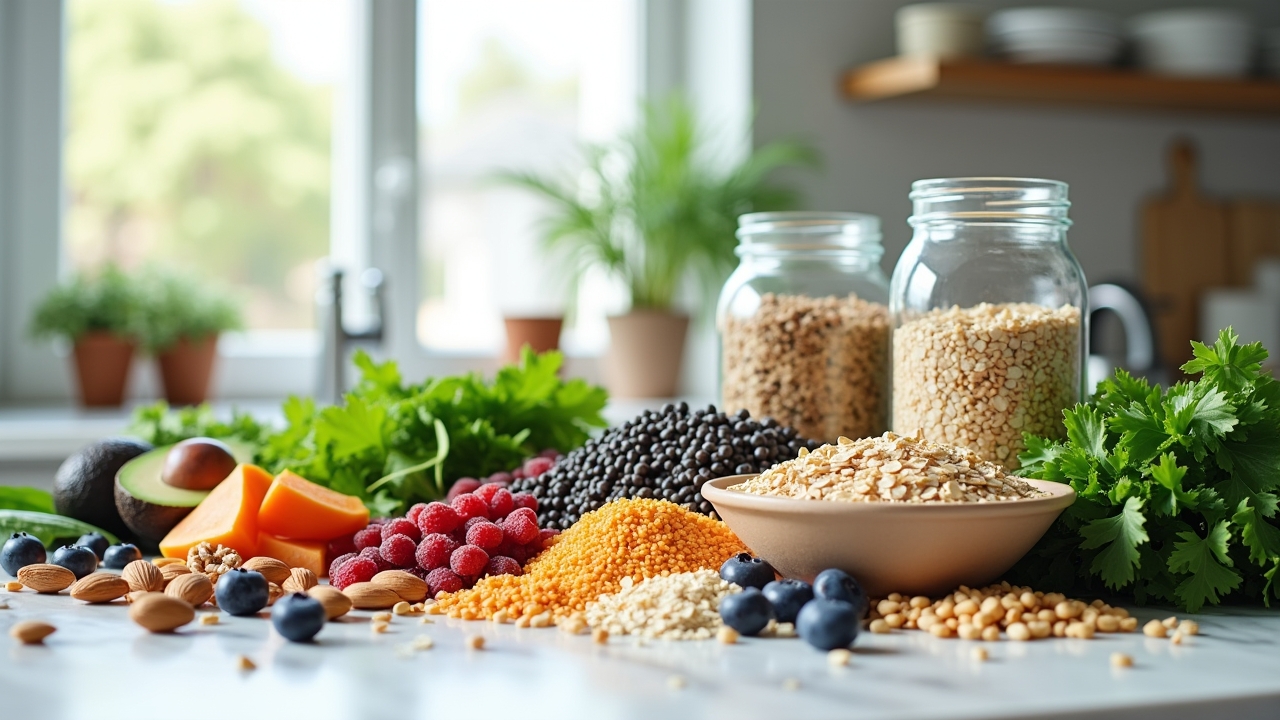
- Lean proteins — chicken, turkey, fish, eggs, and tofu keep you full and stabilize blood sugar.
- Healthy fats — avocados, olive oil, nuts, and seeds are anti-inflammatory powerhouses.
- Complex carbs — sweet potatoes, quinoa, oats, and brown rice digest slower so your insulin doesn’t spike like crazy.
- Leafy greens and colorful veggies — spinach, kale, bell peppers, and broccoli are packed with vitamins and antioxidants.
- Berries — blueberries and strawberries are low-glycemic fruits that satisfy your sweet tooth without the sugar crash.
One game-changer for me was adding more omega-3 fatty acids through salmon and walnuts. My inflammation levels dropped noticeably, and my skin started clearing up within a couple months. Not gonna lie, I was pretty stoked about that.
What I Avoid (Most of the Time)
Now here’s where it gets tricky because I don’t believe in completely demonizing any food group. That said, certain things were definitely making my symptoms worse, and cutting back on them was a big deal for managing my PCOS.
- Refined sugars and white flour products — these spike insulin fast.
- Sugary drinks and juices — even the ones that seem “healthy” are often loaded with sugar.
- Highly processed snacks and fast food — the trans fats and additives increase inflammation.
- Excessive dairy — this one’s controversial, but reducing dairy helped my acne and bloating personally.
I still have pizza on Friday nights sometimes. Life’s too short, you know? The key is making better choices most of the time, not all of the time.
Advertisements
A Simple PCOS-Friendly Meal Day That I Actually Enjoy
People always ask me what I eat in a day, so here’s a typical example. For breakfast, I’ll have overnight oats with chia seeds, almond butter, and blueberries — takes five minutes to prep the night before. Lunch is usually a big salad with grilled chicken, avocado, chickpeas, and an olive oil dressing.
For dinner, I love baked salmon with roasted sweet potatoes and sautéed spinach with garlic. Snacks throughout the day are things like almonds, hummus with veggies, or a small handful of dark chocolate (the good kind, like 70% cacao). It don’t feel restrictive at all once you get into the groove of it.
Quick Tips I Wish Someone Told Me Sooner
First, meal prepping on Sundays saved my life. When I had healthy food ready to go, I was way less likely to grab junk. Second, pairing carbs with protein or fat every single time helps keep your blood sugar from going haywire — that tip alone made a noticeable difference in my energy levels.
Also, and this is important, supplements like inositol and vitamin D were recommended by my doctor and really complemented my PCOS nutrition plan. But please talk to your healthcare provider before adding anything new — what worked for me might not be right for you.
Your Plate, Your Rules
Look, managing PCOS through diet isn’t about following some rigid set of rules that makes you miserable. It’s about understanding how food affects your hormones and making small, sustainable swaps that add up over time. Every woman’s body responds differently, so don’t be afraid to tweak things and find what feels right for you.
Always work with a doctor or registered dietitian who understands polycystic ovary syndrome before making major dietary changes — especially if you’re on medication. Your health journey is personal, and it deserves that professional guidance.
If you found this helpful and want more practical health and nutrition advice, head over to the Prime Guts blog where we’re always sharing tips to help you feel your best from the inside out. You got this!